Political Candidate Name Recognition: Why It Matters in Every Campaign
Build lasting political candidate name recognition with 5 strategies that help political candidates stand out in voters’ minds.
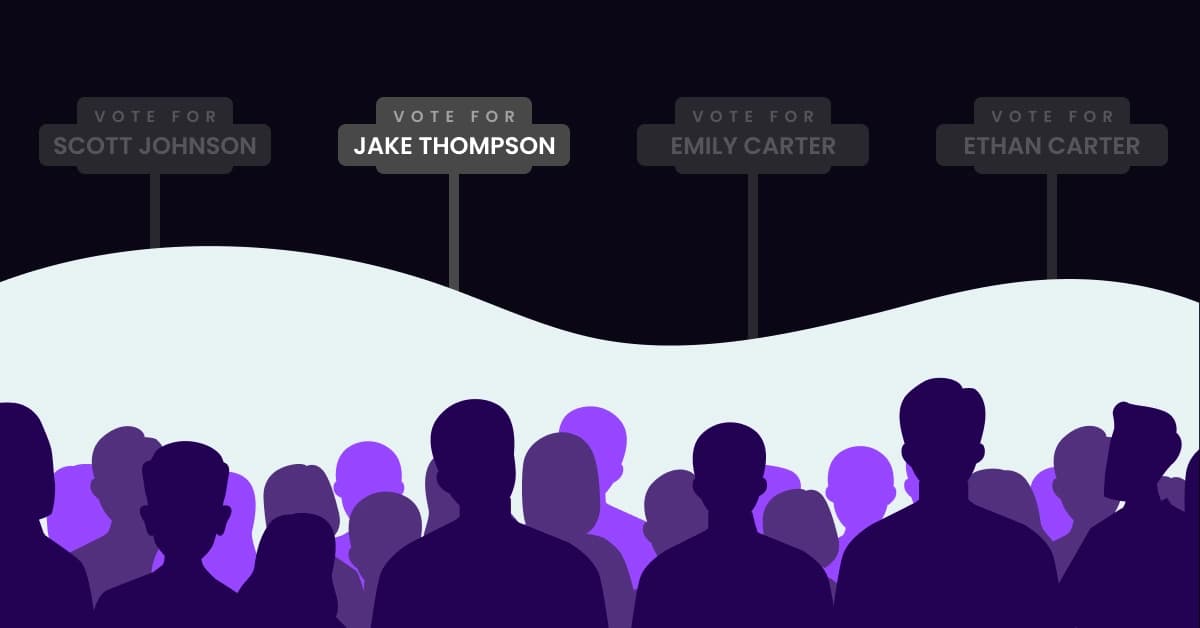
Politics is like being in a crowded room. Voters obtain information from various sources. Why do some names stay in your head long after you’ve seen a campaign sign or heard an ad on the radio? What makes voters remember one candidate more than another when they go to vote? It’s hard for any person to stand apart. But one thing really jumps out: Name Recognition.
If people don’t know who you are, they can’t vote for you. Let us show you why it’s crucial to understand your role in politics. It also indicates that efficient outreach makes candidates easy to find for everyone.
You need new tools like VoiceDrop to redefine how clever political campaigns get people to know about them. With these innovative tools and methods, reach out to voters in a personal, non-intrusive way on a large scale.
What Is Political Candidate Name Recognition?
In politics, name recognition is all about how well people can remember the name of a politician. It checks how many people can name them, both on their own and with a list of possibilities. Unaided memory is when a voter names candidates without being told to. This shows that they are very aware of the candidates.
When a voter picks a candidate’s name from a list, this is called “aided recall.” Both types of candidate memory are important for figuring out how well known and recognizable a politician is as a whole. A lot of people know who you are and what you’re about if you have high awareness.
Why Do Voters Remember Some Candidates More Than Others?
Emotions are what make memories. Candidates who share personal experiences stick in voters’ minds. Experiences that people can relate to are more important than policy facts. The brain remembers how we feel better than what we know. Repetition helps people remember and it works to send the same message on all platforms. Messages that are simple and clear are better than ones that are hard to understand.
Being around something often makes you familiar with it and like it. It helps to have strong, distinctive visual branding, memorable slogans, and unique personality traits that help candidates stand out in crowded political fields.
5 Proven Strategies for Political Candidate Name Recognition

Building name recognition requires multiple approaches working together. No single strategy wins elections alone. Here are proven effective political strategies on how to increase name recognition across different types of campaigns.
1. Ringless Voicemail Outreach for Personalized Connections
Ringless voicemail changes the way politicians talk to voters. Messages go straight to voicemail boxes, so phones don’t even ring. When voters listen, they don’t want to be stopped. In a way that cold calling can’t match, this respectful method makes a good first impression. Your word is ready to go, but it needs to wait until voters are ready to listen and act.
A perfect outreach tool, VoiceDrop improves this technology by AI-powered voice cloning that keeps the original sound even when used on a large scale. Candidates record one message, and then the AI copies their voice in thousands of different ways that are uniquely theirs. Every voter hears their name, the problems in their area, and the problems that people in their group are having. It feels personal because it is, but it’s done quickly and easily through technology.
2. Social Media Branding & Consistency
Social media puts your campaign in voters’ daily lives. But presence alone doesn’t build recognition. You need consistent visual branding across all platforms. Same colors, same logo, same tagline. When voters see your content, they should instantly know it’s from your campaign. This visual consistency creates mental shortcuts that strengthen name recall.
Short-form video dominates social media engagement. Voters watch quick clips while scrolling. They share content that resonates. Create 30-second messages addressing local issues. Show yourself at community events. Live streams add authenticity, letting voters see the real you answering questions in real-time.
Hashtags create discoverable conversation threads. Choose one primary campaign hashtag and use it consistently. Encourage supporters to include it when sharing your content. This creates a snowball effect where each share introduces your name to new potential voters.
3. Grassroots & Community Presence
Nothing beats face-to-face interaction for building lasting recognition. Door-to-door campaigning remains incredibly effective despite being labor-intensive. Research shows that personal canvassing increases voter turnout by 7-10%. But the recognition impact extends beyond those directly contacted. Each voter tells family and neighbors about the candidate who took the time to visit. This multiplier effect makes grassroots efforts worthwhile.
Local events offer concentrated recognition opportunities. Attend school board meetings, participate in charity runs, volunteer at food banks or sponsor little league teams. Each appearance puts your name in front of engaged community members. Building relationships with local audiences creates authentic connections that paid advertising can’t replicate.
Volunteer networks amplify grassroots recognition exponentially. Each volunteer becomes a recognition ambassador in their circle. They wear campaign shirts to grocery stores. They talk about you at work. They share your content on social media. A hundred committed volunteers can generate more authentic recognition than thousands in advertising spend.
4. Media Coverage & PR Strategies
Earned media gets you respect and attention that paid ads don’t have. People take you seriously as a candidate when newspapers and TV stations quote you or question you. This approval from a third party helps people remember your name better than self-promotion. Coverage in the media also gets voters who actively avoid political ads.
Press releases don’t get attention on their own. Reporters are interested in stories, not news. Make events that are newsworthy, show the poll results public, and invite your opponents to arguments. Be brave when dealing with local problems and give your opinion on breaking news. Give the media reasons to talk about you besides what you’re doing for your cause.
Op-eds and letters to the editor are managed ways to get your message across. Write about things that people care about and tell personal stories that show how your policy views work. Respond to current happenings by giving them some thought. These pieces help you get noticed while showing that you know what you’re doing and are a star. They stay online forever, making long-lasting tools for recognition.
5. Digital Advertising & Retargeting
Digital advertising lets you target people very precisely, which you can’t do with traditional media. With geotargeting, you can reach people in certain areas. Demographic selection focuses on people who are likely to support you. Behavioral targeting helps you find voters who care about the problems you care about. With this level of accuracy, every dollar spent builds recognition with people who matter, not with random viewers.
Retargeting helps you stay in front of people who might be interested in you. Retargeting means that your ads will appear on other websites after someone views yours or interacts with your content. This kind of repeated contact builds recognition by being consistent. Voters will see your name a lot without feeling like they are being followed or overloaded. The key is frequency control, which means showing just enough ads to get people to notice them without being annoying.
Multi-channel campaigns create surrounding sound effects. Combine digital ads with other outreach methods for maximum impact. Show Facebook ads to voters who received your ringless voicemail. Target YouTube pre-roll to areas where volunteers are canvassing. This coordinated approach means voters encounter your name through multiple channels, strengthening recognition through varied repetition.
Measuring the Success of Name Recognition Campaigns
How do you know if your name is getting out there? You have to check. Using data helps you see what’s working. Then you can make changes.
Polling and Surveys
Before a campaign starts, polls can show how many people know your name. As the campaign goes on, more polls track whether your name is growing. These surveys are like a report card. They tell you if your efforts are paying off. You can see if more people remember you. This helps you understand where you stand. It shows how much work is left.
Digital Analytics and Engagement Metrics
Online tools give us tons of numbers. Website visits, social media likes, and shares tell a story. Email open rates show if people are reading your messages. Digital ad results tell you who is seeing your ads. These numbers show how well your message is reaching people. They tell you if your name is resonating. This feedback is a fast way to see what’s hitting home.
Iterative Campaign Adjustments Based on Feedback
Looking at all this data is important. It tells you what to change. Maybe your message needs to be clearer. Perhaps you need to spend more on certain ads. You can change how you talk to voters. This helps make sure your name recognition keeps growing. It’s about learning and getting better all the time.
Common Mistakes That Hurt Candidate Name Recognition
Are you wondering why your name isn’t sticking with voters? Could small errors be costing you valuable support? Look at common pitfalls that damage candidate name recognition and offer tips to avoid them. Understanding these mistakes can help you connect better with voters and build a lasting presence in your community.
- Neglecting Consistent Messaging and Branding: When your campaign uses different slogans, logos, or tones across platforms, it confuses voters. People need to see and hear your name linked to a clear, consistent message to remember you.
- Failing to Engage with the Community Regularly: Voters want to know you care about their daily lives, not just votes. Skipping community events, ignoring local issues, or avoiding face-to-face meetings can make you seem distant or uninterested.
- Overlooking the Power of Digital Presence: Without an active website, social media profiles, and digital ads, your name won’t reach a large audience. Posting irregularly or sharing unclear content also reduces impact. Digital platforms allow you to share your story, respond to questions, and build a community of supporters.
- Relying Too Much on Negative Campaigning: Negative campaigning often makes voters remember the attack but not the candidate behind it. It can also create a negative image for you, reducing trust and likability. Instead, balance critiques with positive messages about your vision and strengths.
Future of Political Campaign Outreach (2025 and Beyond)
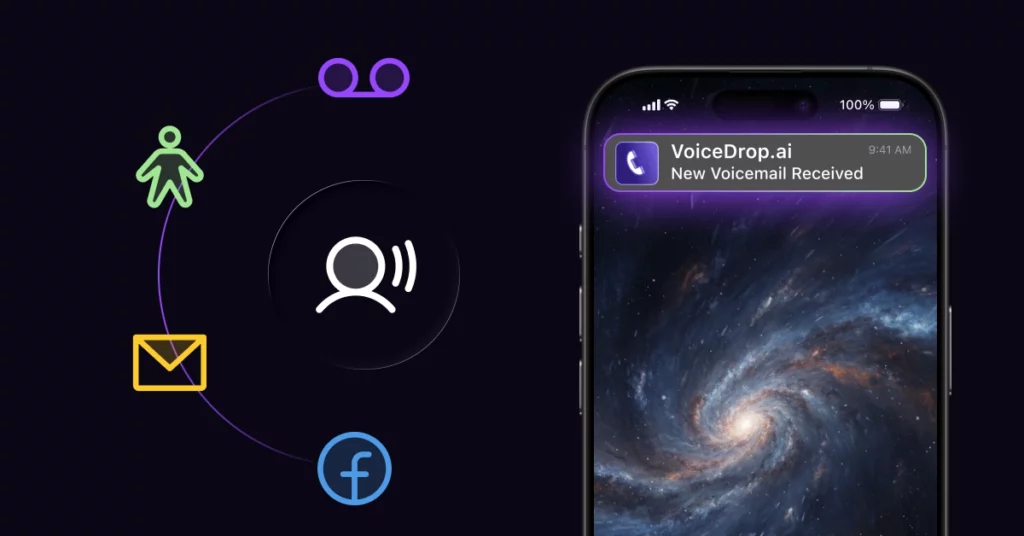
In future, AI will dominate voter engagement and campaigns will use AI for hyper-personalized messaging at scale. Tools like VoiceDrop will replace traditional robocalls, so every voter gets customized content based on their interests, voting history, and online behavior. Human-like but automated ringless voicemails to win over voters.
Digital-first strategies become standard and micro-targeted social media campaigns will rule. These campaigns respond instantly to trending topics and also use data analytics to predict voter behavior with stunning accuracy.
Integration across all channels creates seamless voter experiences. A voter might see a social media ad, receive a personalized voicemail, get a targeted email, and encounter a volunteer, all with consistent, complementary messaging. This orchestrated approach builds recognition faster and deeper than disconnected tactics.
How VoiceDrop Helps Political Candidates Win Recognition Faster
VoiceDrop changes the way politicians reach out to voters by using ringless voicemail technology to build recognition. The ringless voicemail system sends messages straight to voicemail boxes. No breaks. No angry hang-ups. Just your message, waiting for the right time when voters are ready to hear it. This polite way of doing things makes a good first impression that helps people remember your name.
AI voice cloning keeps things real while making them bigger. VoiceDrop’s AI makes thousands of tailored versions of a message when you record it. Your real voice tells each voter their name and important local issues. This isn’t a robot voice reading text; it’s your own voice sending personalized messages. Voters like how real it is, and you like how quickly it works.
Campaign-specific features speed up the process of developing recognition. Set up personalized messages to be sent at the best times to certain groups of voters.
Keep an eye on engagement data in real time, see which messages generate callbacks, and understand which voter segments engage most. This information lets campaigns adjust strategies quickly, focusing resources where they generate maximum recognition impact.
Final Thoughts: Building a Candidate’s Legacy Through Recognition
A strong name recognition is the basis for a long-lasting political legacy. Candidates need tools that let them reach out to voters in a personal, direct, and polite way in order to really connect with them and stand out in today’s crowded field.
VoiceDrop is an effective ringless voicemail service that lets you send clear, personalized messages directly to voters’ inboxes without bothering them. It’s a good method to get to know people, create trust, and get support on a large scale.
Are you ready to take your campaign to the next level and make an impression? Get a demo today to explore how this amazing tool can help you get more opportunities and establish the legacy you deserve. Don’t let another election slip away because voters didn’t know your name. Take control of your recognition strategy today!