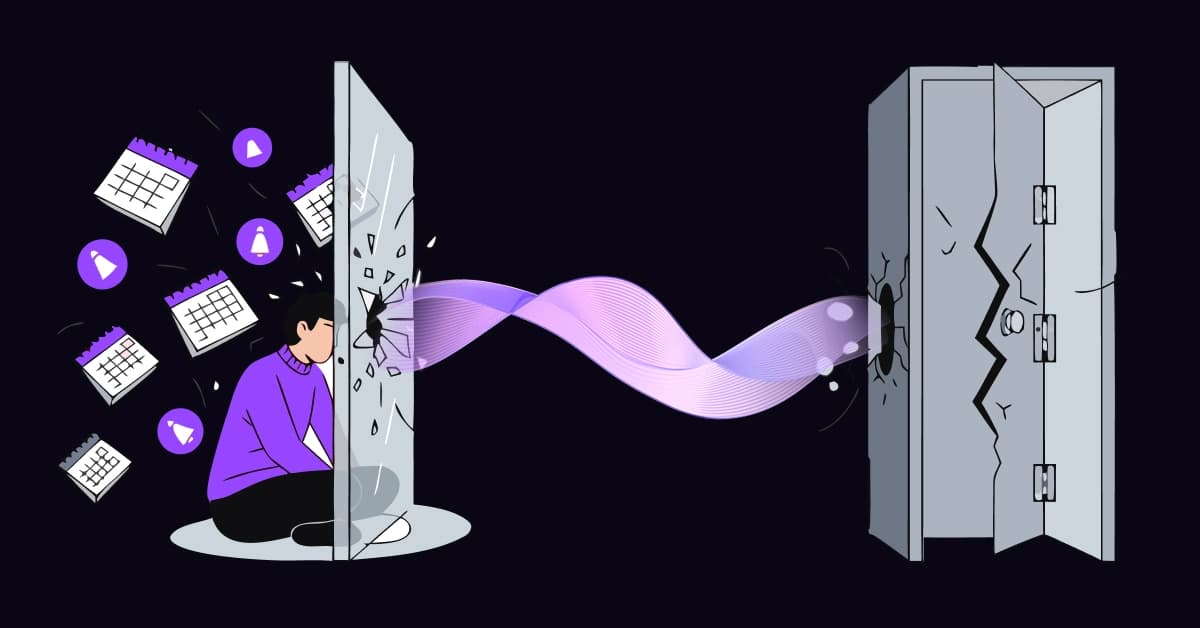
Your lead is being held hostage.
Ropes don’t bind them; a frantic schedule and a 10-foot-thick wall of skepticism bind them. Every time you send a standard sales voicemail, you are banging on that wall with a hammer. It doesn’t open the door; it just annoys the hostage taker.
Traditional sales scripts, filled with commands, demands, and fake enthusiasm, fail because they trigger the brain’s “fight or flight” response. To unlock the door, you don’t need brute force. You need Tactical Empathy.
In 2026, you don’t need a live wire to apply FBI-level negotiation tactics. By embedding Accusation Audits and No-Oriented Questions into your Ringless Voicemail (RVM) scripts, you can disarm resistance before the prospect even checks their notifications.
The Core Principle: Tactical Empathy in One-Way Audio
Tactical Empathy isn’t about being nice. It also isn’t about agreeing. Rather, it’s emotional intelligence on steroids-the ability to recognize your counterpart’s perspective and voice it. When you can articulate their pain better than they can, you earn the right to be heard.
Why “Win-Win” Scripts Fail
Most sales scripts try to find a “Win-Win” immediately. This is a mistake. To a busy prospect, “Win-Win” sounds like a trap. It signals that you want something. The moment their brain detects a “pitch,” the spam filter slams shut. You cannot build trust by pretending you aren’t a salesperson; you build trust by admitting that you are one (more on that below).
The 7-Second Rule of Disruption
You have less than 7 seconds to prove you aren’t a robot. Chris Voss teaches that you must clear the “negative emotions” before you can plant positive ones. If your voicemail starts with generic enthusiasm, you are dead in the water. You must disrupt their pattern immediately.
Mastering the “Late Night FM DJ Voice”
In negotiation, how you say it is 5x more important than what you say. Since RVM is audio-only, your tone is your entire first impression.
The Science of Downward Inflection
Most salespeople use an “upward inflection” at the end of sentences, making them sound like questions. This signals uncertainty, neediness, and a lack of authority.
- Upward Inflection: “Hi? This is John? From VoiceDrop?” (Weak. Needy.)
- Downward Inflection: “This is John. From VoiceDrop.” (Calm. Authoritative. Trustworthy.)
Recording for Trust, Not Excitement
High energy triggers the “reptilian brain” to flee. It screams “Salesman!” Instead, record your RVM scripts using the Late Night FM DJ Voice: slow, deep, and calming. This soothes the prospect’s amygdala, making them feel safe enough to listen.
Need help perfecting the delivery? Use AI voicemail technology to clone your voice and ensure your tone remains consistent and authoritative across thousands of drops.
Tactic 1: The “Accusation Audit” (Disarming the Spam Filter)
The moment a prospect sees a missed call from an unknown number, they are thinking: “Who is this? What do they want? They are probably going to waste my time.”
If you ignore these thoughts, they persist. If you call them out, they vanish. This is the Accusation Audit.
Calling Out the Elephant in the Room
Do not hide. Start your voicemail by listing the negatives immediately.
- The Script: “You’re probably going to think this is just another spam call trying to waste your time…”
Why Vulnerability Increases Callbacks
By admitting you might be an interruption, you steal their thunder. You remove their ability to be angry because you already said it for them. You are labeling their fear before they can feel it. This forces them to re-evaluate you as honest rather than deceptive.
For deeper context on this technique, check out resources from The Black Swan Group.
Tactic 2: Mastering “No-Oriented” Questions
Stop hunting for “Yes.” Start mining for “No.”
The Psychology of “No”
“Yes” is a commitment. It’s scary. “Yes” means I have to buy something or sign something. But “No”? “No” is protection. “No” makes people feel safe and in control. When you allow someone to say “No,” their anxiety drops, and their openness increases.
Adapting the CTA for Voicemail
Traditional CTAs fail because they demand a “Yes” (e.g., “Do you have time to talk?”).
- Bad CTA: “Can we schedule a call?” (Requires a commitment).
- Voss CTA: “Would it be a ridiculous idea to have a 5-minute chat?” or “Are you against seeing if we can help?”
Why it works: It is incredibly easy for the prospect to say “No, I’m not against that” and call you back. This subtle shift removes the friction of commitment.
Tactic 3: Labeling and “Mirroring” the Market
Since you can’t mirror their voice (because they aren’t speaking), you must mirror their situation.
Labeling Their Pain Points
Don’t tell them you understand; show them. Use labels to articulate the pressures they are under.
- The Script: “It seems like you’re under a lot of pressure to lower CAC this quarter while everyone else is raising prices.”
Triggering the “That’s Right” Moment
The ultimate goal of a negotiation isn’t “You’re Right” (which is dismissive). It is “That’s Right” (which is an epiphany). When your voicemail perfectly describes their problem, they think, “That’s right… he gets it.” Once they feel understood, they will trust you enough to call back.
Apply these labeling techniques at scale using ringless voicemail marketing.
The “Text-Message” Mirror: The Essential Follow-Up
Chris Voss advocates for persistence without pestering. The combination of voice and text creates an “Omnichannel Mirror.”
The “Have You Given Up?” Text
If they don’t reply to the voicemail, send the classic Voss text:
- “Have you given up on [Project Name]?”
This triggers Loss Aversion. Humans are hardwired to hate losing opportunities more than they love gaining them. This one line has revived more dead deals than any other script in history.
Automating the One-Two Punch
Automate an SMS to go out 1 minute after the voicemail drops. The text should reinforce the “No-Oriented” question asked in the audio. You can set this up easily using mass text messaging tools.
- ⚠️ Pro Tip: You cannot send a “Have you given up?” text to a landline. Ensure your follow-up strategy works by first filtering your list for Mobile-Only numbers. Identify Mobile vs. Landline numbers instantly with 1Lookup. 1Lookup is built by the same team as VoiceDrop.
Structuring the Perfect “Voss-Style” RVM Script
Here is a concrete template. Do not deviate from the psychology.
- The Opening (The Accusation): “I’m sure you get a ton of these calls, and you’re about to delete this…” (Why: Disarms the anger immediately).
- The Label (The Insight): “It looks like your property has been sitting on the market for 90 days and you’re frustrated with the lack of offers…” (Why: Demonstrates Tactical Empathy).
- The Close (The No-Oriented Question): “Is it a bad idea to see if we can get you a cash offer by Friday?” (Why: Makes it safe to say “No, it’s not a bad idea”).
Measuring Psychological Success
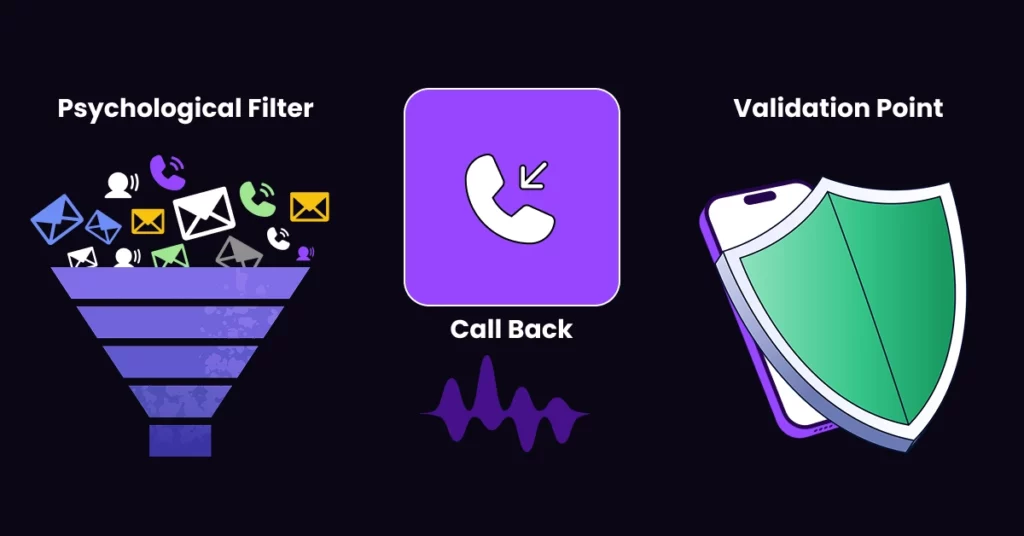
How do you know if Tactical Empathy is working?
Tracking Response Quality vs. Quantity
You might get fewer callbacks, but the ones you do get will be higher quality. You are looking for curiosity, not just noise. A lead who calls back saying, “I’m not against hearing you out,” is a lead ready to close.
- Don’t waste “Tactical Empathy” on dead air. Even the best Voss-style script fails if the number is disconnected. Clean your list to ensure your tactical voicemails actually reach a human ear. Verify your lead list for free at 1Lookup.
A/B Testing “Yes” vs. “No” Questions
Run a split test. Campaign A asks: ‘Do you want a demo?’ In contrast, Campaign B asks: ‘Are you against seeing a demo?’ The latter will win every time. Every time.
For further study, we recommend reading Never Split the Difference.
Conclusion
Negotiation isn’t about fighting; it’s about discovery. By using these tips, you turn a cold, annoying voicemail into a moment of collaborative discovery. Don’t settle for mediocre response rates when tactical empathy can unlock your pipeline.
Ready to try an Accusation Audit on your lead list? Start your free trial today.
FAQs
Can “No-Oriented” questions work in text messages, too?
Absolutely. “Have you given up on this project?” is the classic email/text revival line from Chris Voss that re-engages ghosted leads.
What if the Accusation Audit sounds too negative?
It’s supposed to. By articulating the negative, you diffuse it. If you ignore the negative, the prospect amplifies it in their own head.
Is this manipulation?
No, it is empathy. You are showing the prospect you understand their worldview, which builds respect.