
Learn psychological tactics on how to win over voters to get trust and support. Evidence-based strategies for campaign messaging that resonates.
Have you ever wondered why some political campaigns resonate so powerfully while others fade into oblivion? Is it just about policy papers and promises, or is there something deeper at play? Understanding the voters will enhance your campaign’s reach, deepen connections with voters, and turn supporters into dedicated advocates.
What if the key to winning voter support lies in understanding the hidden drivers of human behaviour? Campaigns that connect psychologically stand out, building trust, winning support, and motivating action.
Explore 8 ways to convince voters used by successful political campaigns. These tactics are rooted in evidence-based principles. Let’s unlock the psychological secrets of persuasion to elevate your campaign to success!
Why Winning Voter Trust Requires More Than Policy
It’s tempting to believe that voters make decisions solely based on policy details. But, in reality, most people choose candidates based on emotional connection, identity alignment, and perceived character. Numbers and statistics rarely sway hearts and minds.
Voters often lean towards candidates who evoke a sense of hope, reflect their values, or embody leadership qualities they admire. Policies are important, but emotional appeal, authenticity, and trustworthiness form the foundations of successful campaigns.
Connecting with voters on a psychological level enables campaigns to build lasting relationships and mobilize action.
8 Strategies to Win Over Voters
Create a strong connection with voters and increase your chances of success in the election. Here are eight powerful and effective strategies to win over voters and secure their support:
Harness the Power of Social Proof
Social proof suggests that people are more likely to support a candidate when they see others doing the same. This phenomenon arises from the human desire to fit in and make informed decisions based on collective wisdom.
In campaigns, social proof can take many forms, such as high attendance at rallies, community endorsements, or trending social media mentions. Demonstrating widespread support creates a powerful bandwagon effect. Examples include displaying voter turnout momentum to signal growing popularity and emphasizing endorsements from trusted community figures to legitimize a candidate.
Highlighting success stories where a candidate has positively impacted a large number of constituents serves as compelling social proof, demonstrating tangible benefits and encouraging more support. Effective campaigns capitalize on social proof to build credibility and persuade undecided voters.
Leverage the Authority Principle
Perceived authority heavily influences voter decisions. Support from credible figures, institutions, or experts can significantly legitimize a candidate. Voters often look to authority figures for validation, making endorsements a powerful tool in campaigns.
Candidates can signal authority by showcasing their credentials, highlighting leadership experience, and gaining endorsements from trusted sources. For example, a medical expert endorsing a candidate’s healthcare plan adds credibility, while a respected community leader vouching for a candidate’s commitment to local issues reinforces their trustworthiness.
Building a campaign around credible voices instills voter confidence and influences decision-making.
Utilize the Scarcity Effect
The psychological principle of scarcity asserts that when something is limited or time-sensitive, its perceived value increases, creating a sense of urgency. This principle can be a powerful tool for political campaigns looking to drive immediate action. Scarcity prompts voters to act quickly out of fear of missing out on an opportunity.
Actionable ideas for applying scarcity include setting “limited-time” donation matches, emphasizing early voting deadlines, and framing the election as a “now or never” moment. These tactics create urgency and can push undecided voters to commit.
When utilized effectively, scarcity motivates voters to engage and support a campaign with a heightened sense of importance.
Frame Messages Effectively
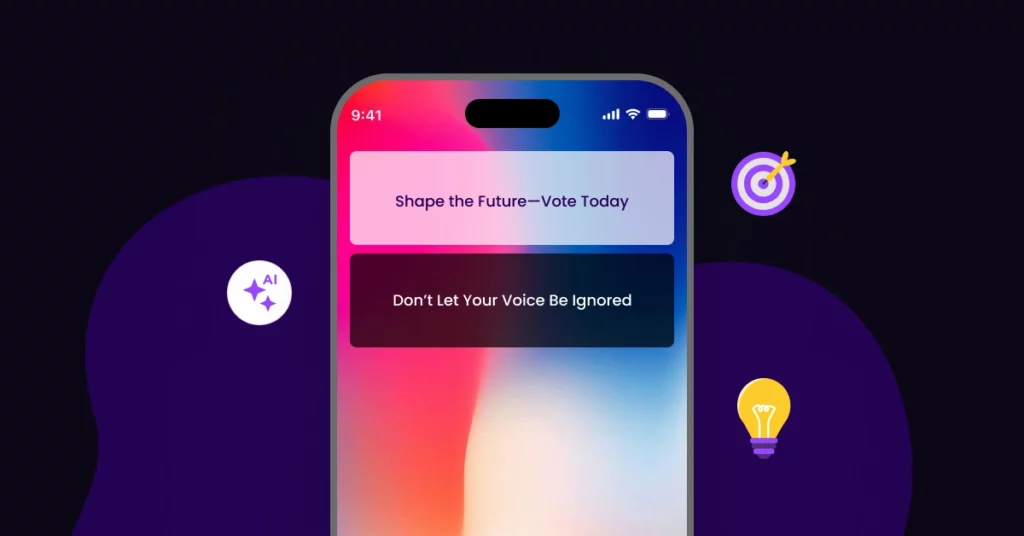
The way a message is framed-the specific language used and the perspective taken-can be as influential as the content itself. This concept, known as message framing, can sway voter perception by emphasizing certain aspects over others. Effective framing tailors messages to align with voter values and evoke emotional responses, thereby enhancing persuasiveness.
Framing examples include:
- Reframing taxes as “investments in the community” to highlight the benefits of public services
- Using emotionally resonant language, such as “fighting for our children’s future,” to connect with voters’ values.
Employing strategies like loss aversion, where the pain of losing something is emphasized more than the pleasure of gaining it, can also be effective. Understanding and implementing an effective voicemail marketing system with framing techniques allows campaigns to resonate with voters on a deeper, psychological level.
Appeal to Emotions
Emotional appeal is a potent driver in voter decision-making. Emotions often outweigh logic or policy specifics. Feelings like hope, fear, pride, or anger can shape political choices, as voters are more likely to remember and act on messages that resonate emotionally.
Effective campaigns tap into these emotions by crafting voicemail messaging that conveys authenticity and warmth. A human voice creates trust, which text or email cannot. By weaving compelling stories and addressing voter concerns, campaigns can leverage emotions to encourage action and foster a strong sense of connection with the candidate.
Employ Storytelling Techniques
Storytelling humanizes a candidate and makes messages more memorable. A compelling narrative structure creates an emotional connection, building credibility and trust. Rather than presenting dry facts, campaigns can use stories to illustrate values, struggles, and shared goals.
For example,
- Sharing a personal journey
- Recounting constituent success stories
- Presenting heartfelt testimonials
These tactics engage voters more effectively. Narratives that highlight a candidate’s ability to overcome challenges or empathize with everyday struggles make them relatable and trustworthy. Mastering storytelling techniques enables campaigns to build deeper emotional connections with voters, making their messages more impactful and lasting.
Encourage Public Commitment
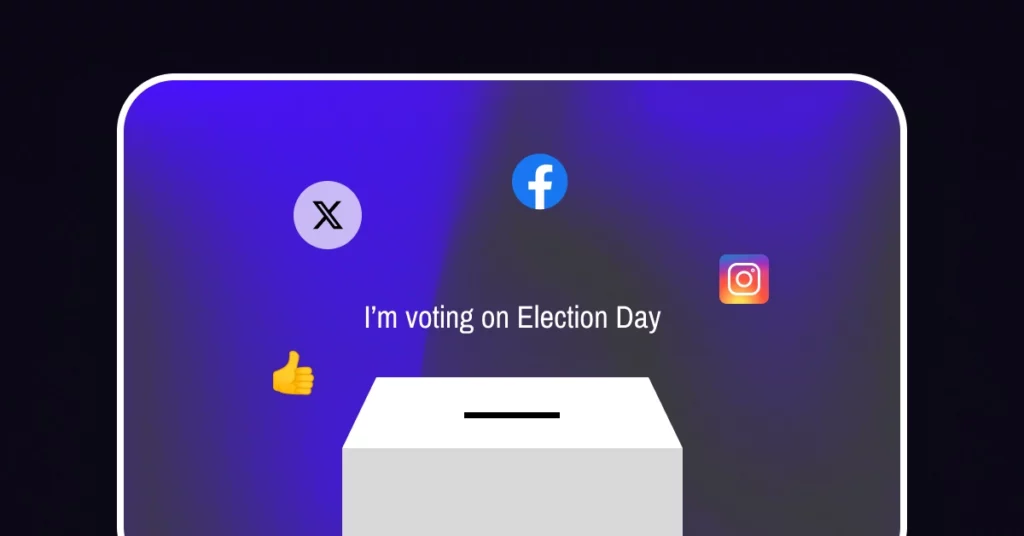
Public commitment taps into the psychological principle that people are more likely to follow through with a decision once they’ve made it publicly. This phenomenon is rooted in the human desire to maintain consistency between words and actions. Campaigns can leverage this by encouraging voters to make public or written commitments.
Strategies include pledge cards, public declarations of support, or social media shoutouts. Platforms like VoiceDrop offer a direct outreach voicemail drop, supporting public commitment effectively. For example, automated voice messages can remind voters of their pledge to vote, reinforcing their loyalty.
By prompting voters to express support openly, campaigns can strengthen commitment and encourage word-of-mouth engagement.
Build a Strong Social Identity
Voters are drawn to campaigns that reflect their identity, values, and community. The power of belonging significantly influences political behaviour. Campaigns that foster a shared “us” mentality create a strong social identity, building loyalty and driving action.
Using inclusive language, engaging in community-based outreach, and aligning the candidate with group missions can achieve this. Emphasizing shared values and a common culture helps voters feel understood and represented, promoting a sense of unity and purpose.
When voters see themselves reflected in a campaign, they are more likely to become dedicated supporters.
Final Thoughts: From Persuasion to Participation, the Key to Win Over Voters
Psychological tactics convert passive supporters into active participants. Whether voting, volunteering, or donating, the ultimate goal is to mobilize voters to take action. Combining these psychological insights with effective communication tools increases the likelihood of driving action.
VoiceDrop helps campaigns deliver personalized voice messages that inspire real-world action. These messages help humanize the candidate’s outreach and foster deeper emotional connections with voters. Effective communication turns persuasion into participation, securing campaign success.
Ready to connect with voters on a deeper level? Book your demo today and make every message count.