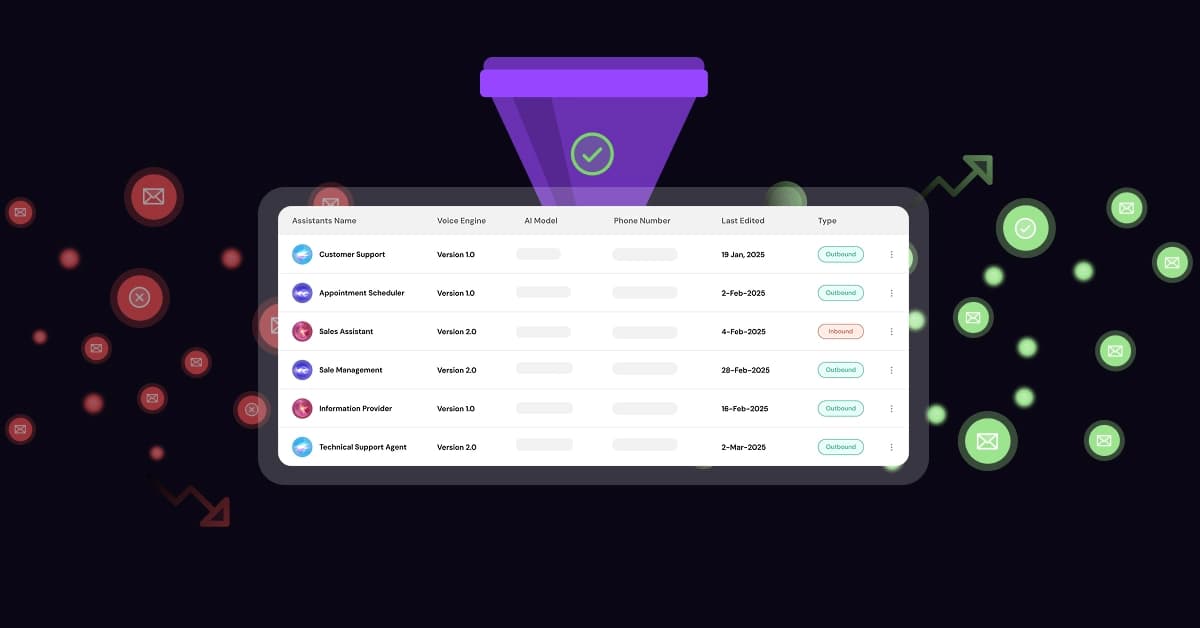
Is your “More Data = More Sales” strategy actually bankrupting you?
For decades, the telemarketing playbook was simple: buy the biggest list possible and dial until someone picks up. In 2026, that strategy is a legal landmine. With TCPA fines hitting $1,500 per violation, a single unscrubbed list isn’t just inefficient; it’s a liability that could cost you six figures.
The new truth: A smaller, hyper-clean list doesn’t just keep you out of court; it generates more revenue by ensuring your agents talk to real people, not disconnects or litigators.
The Hidden Risks of “Dirty” Data
Many managers believe TCPA fines only target giants like Amazon. False. The law allows for a “private right of action,” meaning professional plaintiffs can target you directly.
- The Financial Hit: A single “willful” violation costs $1,500. If you dial just 100 bad numbers, you’re looking at a $150,000 lawsuit.
- The Reality Check: Regulators are aggressive. Review recent FCC enforcement actions to see that small agencies are not exempt.
- Agent Burnout: High turnover often stems from poor lists. When agents spend 80% of their day hitting dead ends, morale crashes. Clean lists mean more “Talk Time” and happier staff.
Step 1: The Do Not Call (DNC) Registry Scrub
This is your first line of defense. Before a campaign goes live, it must pass through the DNC filters.
The National DNC Registry
The Federal Trade Commission (FTC) maintains a database of consumers who have opted out of telemarketing calls. As a business, you are legally required to subscribe to this registry and scrub your list against it at least once every 31 days.
Failing to remove these numbers is the easiest way to trigger a federal investigation. You can access the National Do Not Call Registry to ensure your subscription is active.
State-Level DNC Lists (The Hidden Trap)
This is where many compliant agencies get caught. Scrubbing the federal list is not enough. Several states, including Florida, Pennsylvania, and Louisiana, maintain their own separate “Do Not Call” lists with stricter rules and “Mini-TCPA” statutes.
To be entirely safe, you must scrub your data against both the Federal database and the specific state databases where your leads reside.
The “Internal” DNC List
If a prospect tells your agent, “Stop calling me,” that request overrides all other requests. You must add that number to your company’s Internal Suppression List immediately. Even if that person is not on the federal registry, calling them again after they have asked you to stop is a direct violation of telemarketing laws.
Step 2: The “Litigator” Scrub (Advanced Protection)
While DNC scrubbing is standard, “Litigator Scrubbing” is the advanced move that separates professional operations from risky ones.
Understanding Professional Plaintiffs
There is a growing industry of “Professional Plaintiffs.” These are individuals who buy multiple phone numbers solely to trap telemarketers. They rarely answer the phone to buy; they answer to document the call, record the interaction, and file a lawsuit.
Why Standard DNC Checks Miss Litigators
Here is the scary reality: Litigators want you to call them. They intentionally keep their numbers off the National DNC Registry to bait compliance-focused companies into a false sense of security. Your standard scrub says “Safe,” but your bank account says otherwise.
To stay safe, you need a specialized “Litigator Scrub” that cross-references numbers against known serial plaintiffs and class-action filers.
💡 Pro Tip: Don’t wait for a subpoena to check your data. Identify potential litigators and risky numbers instantly with 1Lookup before they ever enter your dialer.
Step 3: Handling Reassigned Numbers (The RND)
Just because you had consent to call a number last year doesn’t mean you have permission to call it today.
What is the Reassigned Numbers Database?
Approximately 35 million phone numbers are disconnected and reassigned to new users every year. The FCC created the Reassigned Numbers Database (RND) to help marketers track these changes.
The Danger of “Stale” Consent
Imagine you obtained express written consent to call “John” in 2024. John disconnects his line, and in 2026, the carrier reassigns that number to “Sarah.”
If you call that number looking for John, you are now robo-calling Sarah without her consent. This is a strict liability violation. You must check the RND to verify that the number has not changed hands since the date you obtained consent.
Step 4: Technical Hygiene (VoIP & Disconnects)
Cleaning your list isn’t just about laws; it’s about deliverability.
Removing Disconnected Lines
Carriers monitor your traffic patterns. If you attempt to dial thousands of non-working numbers (Hard Bounces), carriers will label your caller ID as “Spam Risk.” You must remove disconnected numbers before the campaign starts to protect your reputation.
Identifying Non-Fixed VoIP
Legal risks aside, “dirty” lists destroy your conversion rates.
- The “Burner” Problem: Non-fixed VoIP lines (Google Voice, TextNow) are often used for fraud or by low-intent leads who hide their identities.
- Deliverability Killer: High bounce rates from disconnected numbers trigger carrier spam filters, ruining your reputation for the real leads.
As detailed in our VoiceDrop blog, removing these lines is critical for ROI.
🚀 Stop wasting budget on fake leads. Validate your list to separate real mobile numbers from burner VoIP lines. Run a Free Carrier Lookup on 1Lookup. 1Lookup is built by the same team as VoiceDrop.
The “Safe Harbor” Defense: Why Documentation Matters
Even with the best technology, mistakes can happen. The “Safe Harbor” defense is your legal safety net.
Keeping Proof of Scrubbing
If you face a lawsuit, you may avoid penalties if you can prove that the violation was an error and not a policy. To claim this defense, you must have documentation showing that you purchased the DNC list, scrubbed your data, and have written procedures in place.
Maintaining Training Records
You must also demonstrate that your staff were trained in compliance. Keep logs of when your agents reviewed the internal DNC policies.
How to Automate List Cleaning with VoiceDrop
You cannot scale compliance with manual Excel spreadsheets. You need a workflow that automatically protects you.
- The “Sanitize First” Rule: Never upload a raw CSV. Run it through a validator (like 1Lookup) first.
- Upload to VoiceDrop: Once cleaned, upload your safe list to VoiceDrop for worry-free outreach.
- Real-Time Opt-Outs: Use VoiceDrop to manage your “Internal DNC” automatically. If a user presses “9” to opt out, our system removes them instantly, keeping you compliant without lifting a finger.
Learn more about safely managing ringless voicemail campaigns.
Best Practices for Maintenance
The 31-Day Rule
Data decays rapidly. A list that was clean in January may be a minefield by February. Adhere strictly to the 31-day rule: re-scrub your entire database against the DNC and RND every month.
Analyzing Campaign Metrics for Hygiene
Your campaign reports tell a story. If you see high failure rates or short call durations, it is a sign your list is dirty. Regularly measure campaign success to identify if you need to switch data providers or increase your scrubbing frequency.
Conclusion
In 2026, the difference between a profitable agency and a bankrupt one is data hygiene. A clean list protects your wallet, safeguards your reputation, and lets your agents do what they do best: sell.
Don’t wait for a lawsuit to wake you up. Scrub your lists, remove the risks, and launch your next campaign with total confidence.
See how VoiceDrop keeps your campaigns safe and effective.
FAQs
How much does a litigator scrub cost?
It varies by provider, but it is a tiny fraction of the cost of a single $1,500 fine. It is an insurance policy for your business.
Can I call a business number on the DNC?
Generally, B2B calls are exempt from the National DNC Registry restrictions. However, you must still honor any specific internal “stop calling” requests from a business.
Does purchasing a lead list guarantee it is clean?
No. Most list brokers do not scrub for real-time DNC status or litigators. They sell “raw” data. You are responsible for cleaning the list yourself after you buy it.