
You pick up the phone, dial the number, and wait. A voice answers, guarded, annoyed, and suspicious. Why? Because you are a stranger calling a “Mystery Lead.”
However, you have the phone number, but you lack the context. For example, is this a CEO in New York or a student in California? Is it a high-value prospect or a spam trap?
Consequently, in 2025, dialing blindly isn’t just inefficient; it’s a revenue killer. The solution? Phone Number Lookup for Business. Essentially, this technology transforms raw digits into actionable customer profiles (names, locations, and carriers), giving your team the intelligence they need to win the deal before they even say “Hello.”
Fortunately, the solution lies in enterprise-grade Phone Number Lookup for Business. This technology does more than just check if a number works; it turns raw digits into actionable customer profiles, giving your team the intelligence they need to close deals before they even pick up the phone.
Why “Blind Calling” is Killing Your Conversion Rates
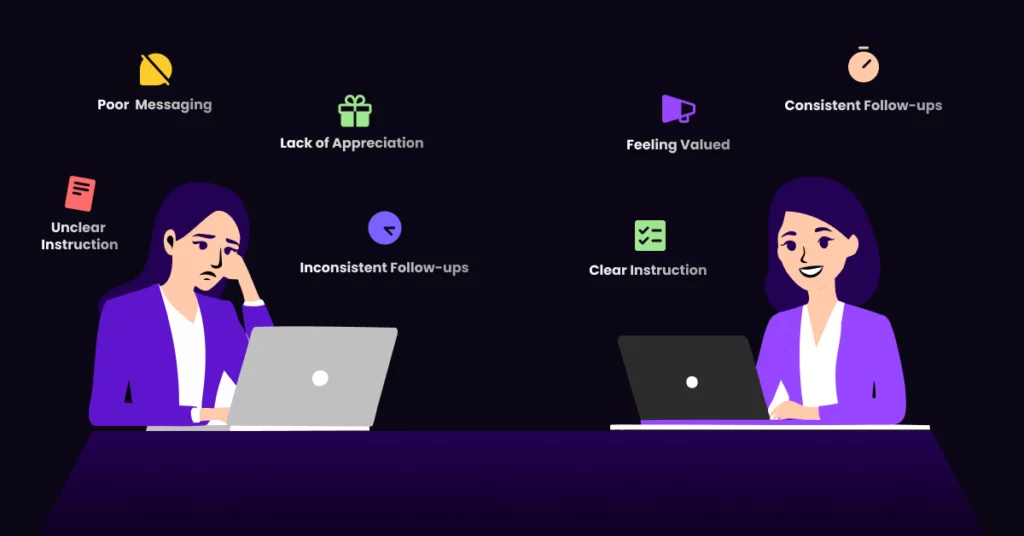
The era of the “Cold Call” is dead. Welcome to the age of the “Warm Call.”
- Cold Call: Dialing a stranger and hoping for the best. (Result: Rejection).
- Warm Call: Calling “Justin from Seattle” because you know he runs a tech firm and matches your ideal buyer profile. (Result: Conversation).
Undeniably, the psychological difference is massive. In fact, modern buyers expect you to do your homework. According to recent sales personalization stats, 78% of B2B buyers expect sales reps to understand their needs and context before the first interaction. Consequently, if you are still asking, “Who am I speaking with?”, you have already lost the room.
The Power of Context in Sales
Undoubtedly, context is the fuel for effective conversations. For example, imagine two scenarios:
- Scenario A (Blind): “Hello, is this the business owner?” (Result: Guarded, annoyed).
- Scenario B (Enriched): “Hi Sarah, I noticed your office is based in Austin. I’m calling because…” (Result: Engaged, listening).
Moreover, lookup tools give Sales Development Reps (SDRs) the confidence to navigate gatekeepers effectively. For instance, when you ask for a decision-maker by name, you signal authority. Similarly, when you know the line type is a mobile phone, you know a text might be more effective than a call.
Reducing Fraud and High-Risk Leads
Actually, phone lookup tools are not just for aggressive sales; they are a critical layer of defense. Especially in an age of digital anonymity, businesses lose billions to fraudulent orders placed with fake identities or burner phones.
Furthermore, by identifying the carrier and line type (e.g., VoIP vs. Mobile), you can flag high-risk numbers instantly. For example, a generic VoIP number from a non-fixed location is statistically more likely to be associated with scams than a verified Verizon mobile line.
Consequently, understanding the impact of fraud on business is essential for protecting your revenue stream and ensuring your sales team focuses only on legitimate opportunities.
Validation vs. Lookup: Understanding the Difference (Technical Deep Dive)
Therefore, many businesses confuse “Validation” with “Lookup.” However, they are not the same, and you need both to succeed.
| Feature | Phone Validation | Phone Lookup (Enrichment) |
| The Question | “Is this number active?” | “Who owns this number?” |
| What It Does | Checks syntax & pings the network. | Retrieves Name, Address, & Carrier. |
| The Benefit | Saves money (Delivery). | Makes money (Conversion). |
Essentially, think of it this way: Validation ensures the door exists. Lookup tells you who is standing behind it.
Specifically, to get this data, tools use CNAM (Caller Name Delivery). Importantly, this isn’t just scraping Google; it involves querying official carrier databases to retrieve the registered subscriber name…the same authoritative data used by telecom networks.
What is CNAM (Caller Name Delivery)?
First, to understand how lookup works, you must understand CNAM. CNAM (Caller Name) is the technology and database system used in the public switched telephone network (PSTN) to display the caller’s name on a recipient’s phone screen.
Essentially, when you use a business lookup tool, it performs a query against these official carrier databases. In reality, it is not just guessing; it is retrieving the registered subscriber information.
Understanding What is CNAM is helps businesses realize that this data is authoritative and sourced directly from the telecom infrastructure, making it far more reliable than scraping the web.
The Difference Between Public Records and Carrier Data
Unfortunately, not all data is created equal. Often, some “people finder” sites rely on scraping social media or old public records, which can be years out of date.
However, enterprise lookup tools prioritize Carrier Data. This is real-time information sourced from the network operator. For instance, if a user switches from AT&T to T-Mobile or changes their registered billing address, carrier data reflects that change much faster than a public record update.
Top Features to Look for in a Business Lookup Tool
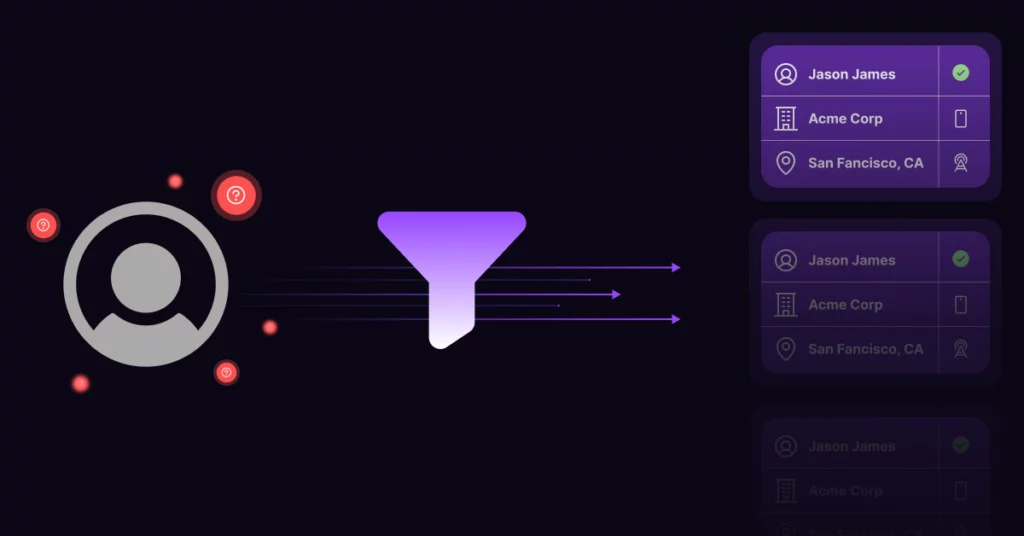
Please, don’t rely on “people finder” sites designed to help you find a lost cousin. Instead, business outreach requires speed, bulk processing, and API integration.
1. Real-Time API (For Inbound Leads) For instance, when a lead fills out your “Contact Us” form, your API should instantly enrich that number in the background. By the time the lead hits your CRM, your rep sees “John Doe, CEO at TechCorp” instead of just a number.
2. Bulk Enrichment (For Data Hygiene) Currently sitting on a list of 10,000 old leads? Don’t dial them blindly. Upload the file to a tool like 1Lookup’s bulk phone lookup, process it overnight, and wake up to a segmented list of names and line types ready for reactivation. 1Lookup is built by the same team as VoiceDrop.
Real-Time API vs. Batch Enrichment
Ideally, your strategy should involve a hybrid of two methods:
- Real-Time API: This is essential for inbound lead generation. Specifically, when a lead enters their phone number on your “Contact Us” form, the API runs in the background instantly. By the time the lead hits your CRM, the “Company” and “Name” fields are already populated.
- Batch Enrichment: This is used for data hygiene. For example, if you have an Excel sheet of 10,000 old leads gathered over the last year, you can upload the file in bulk. Subsequently, the tool processes them overnight, appending names to the numbers so you can reactivate them with a personalized campaign.
Data Coverage (Consumer vs. Business)
Does the tool specialize in B2B or B2C?
- Typically, B2B Tools (like ZoomInfo or Lusha) focus on linking a mobile number to a professional identity (Job Title, Company Email).
- On the other hand, B2C Tools (like 1Lookup or BeenVerified) focus on linking a number to a personal identity (Full Name, City, State).
Therefore, ensure the tool you choose matches your target audience.
The Best Phone Number Lookup Tools for Business (Comparison)
Naturally, choosing the right tool depends on your volume and specific needs. Here is a look at the top players in the enrichment space.
| Tool | Best For… | Key Feature |
| 1Lookup | Overall Best Value | High-accuracy HLR & CNAM lookups with simple bulk processing. |
| BeenVerified | Consumer Research | Deep background checks (Public records focus). |
| Twilio Lookup | Developers | Reliable API for identifying line type and carrier. |
| ZoomInfo | Enterprise B2B | connecting numbers to corporate profiles. |
Pro Tip: For businesses that need a balance of accurate carrier data (to ensure the line is active) and identity data (to know who to ask for), 1Lookup provides a powerful solution that doesn’t require an enterprise-level contract.
Integrating Lookup Data with Your Outreach Strategy
Admittedly, data is useless if it sits in a spreadsheet; it must drive action. Then, once you have enriched your list, you can segment your audience for maximum impact.
For example, you can filter your list to show only “Mobile” numbers that belong to “Residents of New York.” You can then launch a targeted SMS campaign referencing a local event.
As a result, this level of segmentation drastically improves engagement. Once your segments are ready, you can utilize tools for Mass Text Messaging to deploy these personalized campaigns at scale, ensuring the right message reaches the right person.
Step-by-Step: How to Enrich Your Contact List
Turning a messy list of numbers into a goldmine of information is easier than you think.
1. Preparing Your List for Enrichment
First, export your contacts to CSV. Next, ensure all phone numbers have a Country Code (e.g., 1 for the USA).
- Correct: 15551234567
- Incorrect: (555) 123-4567
Then, run the Lookup: Upload your file to a bulk enrichment tool.
Segment & conquer:
- Identified Business: 🟢 High Priority. Route to senior sales reps for a manual call.
- Identified Consumer: 🟡 Nurture. Add to an automated SMS flow using Mass Text Messaging.
- Burner/VoIP: 🔴 Risk. Flag for review or remove to save wasted effort.
2. Segmenting Based on Lookup Results
Once the tool returns the data, categorize your leads:
- Identified Business/High Value: Route these immediately to your senior sales reps for a manual call.
- Identified Consumer: Add these to an automated SMS drip campaign to nurture them.
- Prepaid/Burner/High Risk: Flag these for review or remove them to save resources.
Legal and Compliance Considerations (TCPA & GDPR)
Technically, yes. Accessing public records and carrier data for identification is fully legal. However, how you act on that data is regulated.
Therefore, the Golden Rule: Knowledge ≠ Consent. Remember, just because you know a prospect’s name does not mean they opted into your marketing. You must still adhere to the TCPA compliance guide. Use the data to inform your conversation, not to spam.
- Creepy: “Hi John, I know you live at 123 Main St.”
- Helpful: “Hi John, I see you’re located in the NY area. We actually have a rep nearby…”
Using Data Responsibly to Build Trust
Always use the data to be helpful, not creepy.
- Creepy: “Hi John, I know you live on Main Street.”
- Helpful: “Hi John, I see you’re in the NY area, and we have a rep nearby.”
Responsible data use builds long-term trust and protects your brand reputation.
Measuring the ROI of Data Enrichment
The ROI of Knowing “Who” If your sales rep spends just 5 minutes Googling every phone number to find a name, you are losing hours of productivity every day. Fortunately, lookup tools automate this instantly.
In short, The Formula is simple: (Cost of Wasted Rep Time) > (Cost of Lookup Service)
In 2025, there is no excuse for flying blind. Your competitors are already using data enrichment to personalize their pitches. Stop guessing, start identifying, and watch your connection rates soar.
Lookup tools automate this instantly. Furthermore, by filtering out wrong numbers, you get cleaner analytics. You can accurately measure campaign performance and understand exactly which scripts are working, without the noise of invalid data skewing your results.
Ready to Turn Unknown Numbers into Loyal Customers?
In 2025, there is no excuse for flying blind. Your competitors are already using data enrichment to personalize their pitches and streamline their operations. Phone number lookup tools transform cold, lifeless data into warm, actionable leads.
Stop guessing who is on the other end of the line. Start verifying, identifying, and connecting.
Ready to scale? Once you know who you are calling, use VoiceDrop to reach them with ringless voicemail and automated follow-ups that convert.
FAQ’s
Can I look up a cell phone number for free?
Most “free” sites collect your data or offer limited, outdated public records. They are often inaccurate for business purposes. For verified accuracy and bulk processing capabilities, paid tools with direct carrier access (CNAM) are necessary.
Is reverse phone lookup legal for business?
Yes, utilizing reverse lookup tools to access public record information or carrier data is legal. However, you must comply with privacy laws like the TCPA regarding how you contact those individuals. You cannot use the data to harass or spam people who have not opted in.
What is the difference between Caller ID and CNAM?
Caller ID is the feature on the phone that displays the number. CNAM (Caller Name) is the database technology that runs in the background to provide the text (Name/Company) that appears alongside that number on the screen.
Can I look up international numbers?
Yes, but you need a tool with global coverage. While basic validity checks (HLR lookups) work globally, CNAM (Name data) availability varies significantly by country due to different local privacy laws and carrier infrastructures.