Sales engagement platforms have fundamentally changed how revenue teams connect with the market. According to Salesforce research, high-performing sales reps are 2.8x more likely to use AI-powered sales acceleration tools than underperformers.
The capacity to automate multichannel sequences without losing personalization is often the deciding factor between exceeding quota and missing the mark.
If you are currently evaluating alternatives to Outreach, you will find a crowded market of platforms offering sharper data insights, more flexible pricing, and specialized features.
Whether your objective is AI-driven voice drops, deeper revenue intelligence, or a more intuitive user interface, finding the right alternative can significantly elevate your prospecting strategy.
For a deeper look into its features, pros, and cons, read our comprehensive Outreach Review.
Let’s explore the top contenders and how they compare in helping you crush your revenue targets.
Introduction to Outreach and Its Purpose
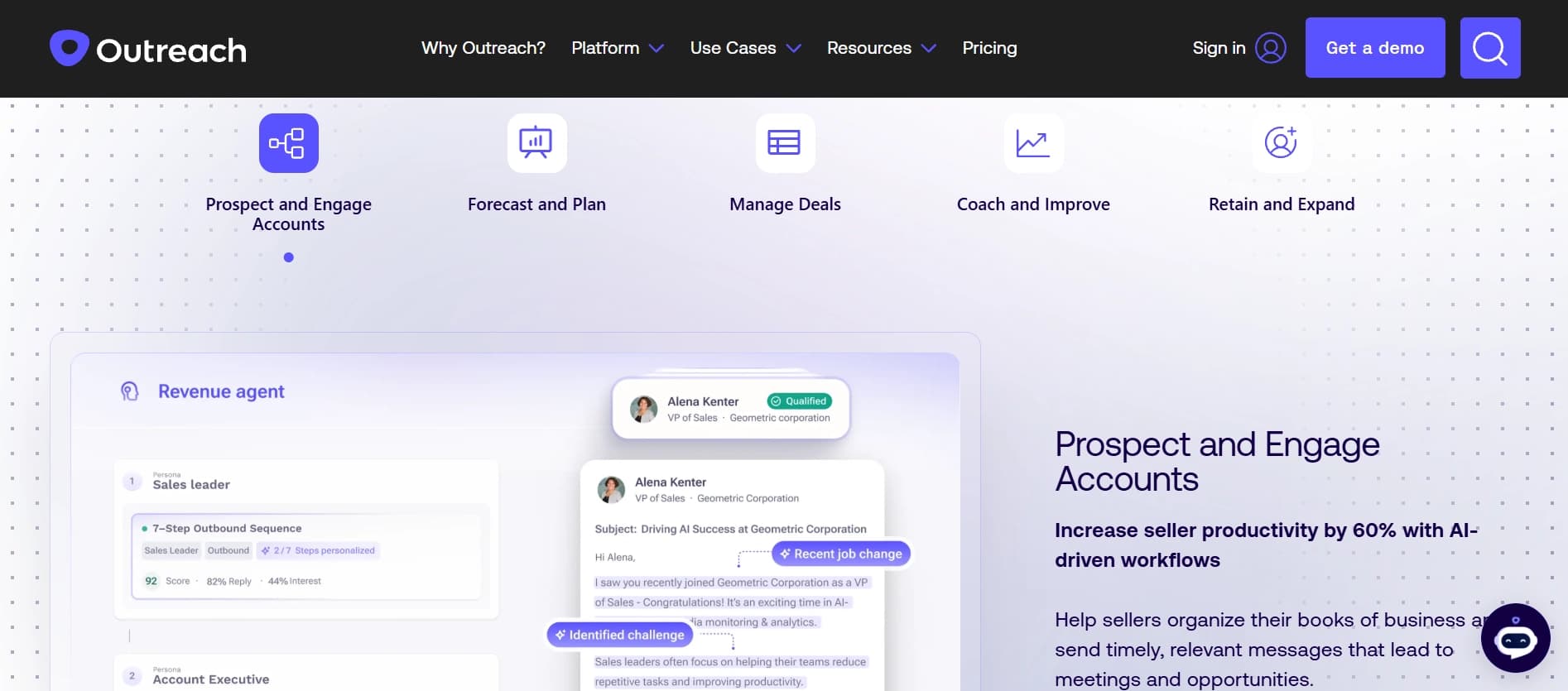
Outreach is widely recognized as a market leader in sales execution, empowering reps to create a pipeline through orchestrated workflows of email, voice, and social touches.
The platform is designed to eliminate manual data entry. It provides “always-on” intelligence that guides reps to the next best action, replacing the ad hoc prospecting methods of the past.
With capabilities like sentiment analysis, deal health scores, and complex sequencing, Outreach is a robust engine for enterprise teams looking to standardize their buyer interactions.
Why You Might Look for Alternatives
While Outreach is a powerhouse, it isn’t the perfect fit for every organization. You might be searching for a solution with a faster implementation time, lower cost of ownership, or less administrative complexity for smaller teams.
As outbound strategies mature, teams begin prioritizing tools that balance automation with human relevance. Research shared in HubSpot’s guide to sales engagement highlights that consistent follow-ups, structured sequencing, and channel diversification are key drivers of higher response rates.
This is often where teams reassess platforms like Outreach and explore alternatives that better match their size, budget, and execution speed.
If budget is your primary concern, check out our detailed breakdown of Outreach Pricing to see if the investment aligns with your goals.
Some alternatives offer distinct communication advantages, such as specialized ringless voicemail automation, enhanced native CRM data enrichment, or greater ease of use, making them ideal for companies that need agility over enterprise-grade permissions.
Reviewing these options ensures you select a platform that matches your specific sales maturity and budget.
Top Outreach Alternatives
When investigating Outreach alternatives, look for platforms that offer comparable workflow automation or unique features that fill gaps in your current stack.
The following are some of the best options to consider:
VoiceDrop
Meet VoiceDrop: Accelerate your connection rates via the Outreach integration or as a standalone power tool. Move beyond text-heavy sequences; ensure every prospect receives a voice message tailored personally to them.
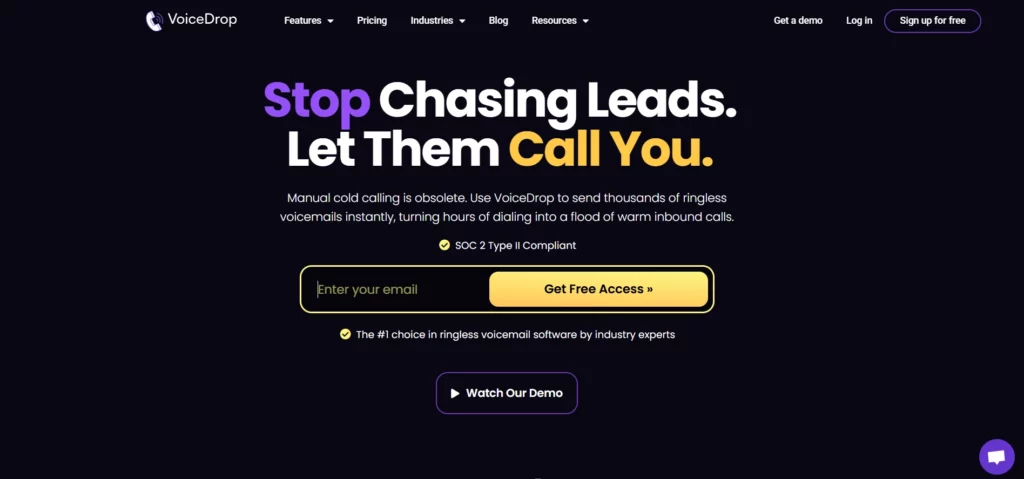
Their proprietary AI voice cloning technology generates messages that sound completely authentic, driving engagement rates that often outperform standard email open rates. The platform connects effortlessly with major CRMs and sales tools.
With a transparent, volume-based pricing model and no hidden setup costs, VoiceDrop is a smart choice for agile sales teams wanting to add a high-impact voice layer to their outreach without the manual grind of dialing.
Features
VoiceDrop, imagine deploying personalized ringless voicemails using an AI clone of your own voice directly to your prospect’s inbox without their phone ever ringing. It creates a seamless, non-intrusive notification that demands attention.
- Meet VoiceDrop AI: Boost your reply rates with AI-powered ringless voicemails that deliver a human touch at scale. No more robotic blasts; every lead hears a message that feels 1:1.
- Get Started with Your Free Trial: VoiceDrop features a sleek, user-friendly dashboard designed for speed. Voice campaigns consistently see higher open rates than standard SMS or email. When you need to cut through the noise, audio is the key.
- Higher Response Rates: Ringless voicemails have historically shown better conversion metrics than cold emails because they land in a less crowded channel, the mobile voicemail box, respectively.
Pricing
VoiceDrop utilizes scalable pricing based on successful deliveries, ensuring your budget is spent only on messages that land.
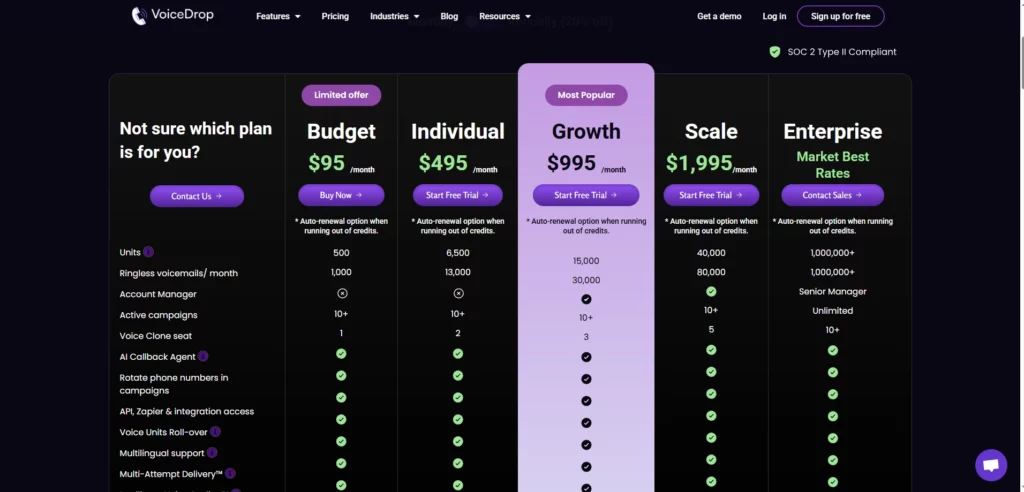
They offer both dynamic AI-generated voicemails and static audio campaigns. Their standard plans are highly competitive compared to per-seat SaaS licenses.
Pros
- AI-Powered Personalization: Generates unique audio for each contact, significantly increasing relevance.
- Pay-as-you-go Scalability: Ideal for fluctuating volumes; you aren’t locked into expensive seat contracts.
- Transparent Costs: Clear pricing structure with delivery confirmation.
- Superior Engagement: Audio touches often trigger curiosity more effectively than text.
- Rapid Setup: Launch campaigns in minutes with a free trial and simple integrations.
Salesloft
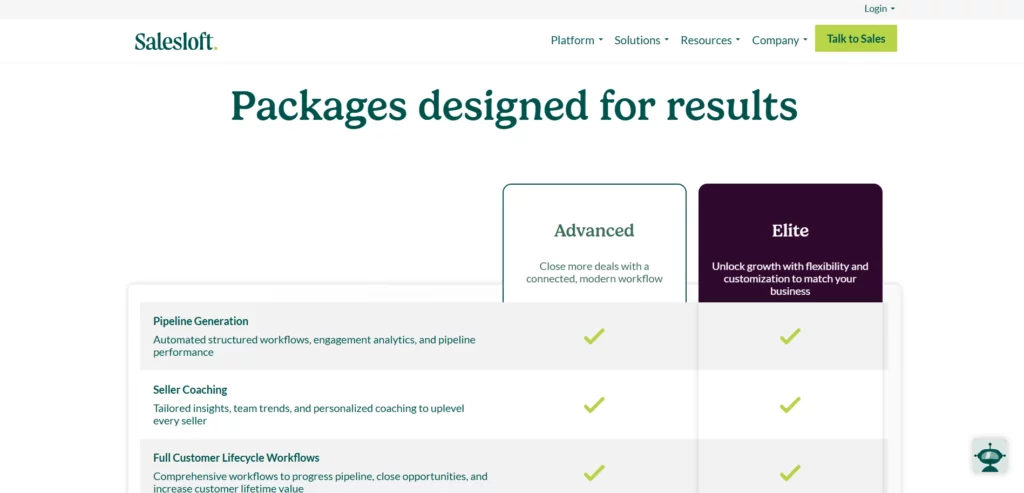
Salesloft is a premier sales engagement platform that competes directly with Outreach, focusing heavily on the “seller experience” to drive adoption and revenue efficiency.
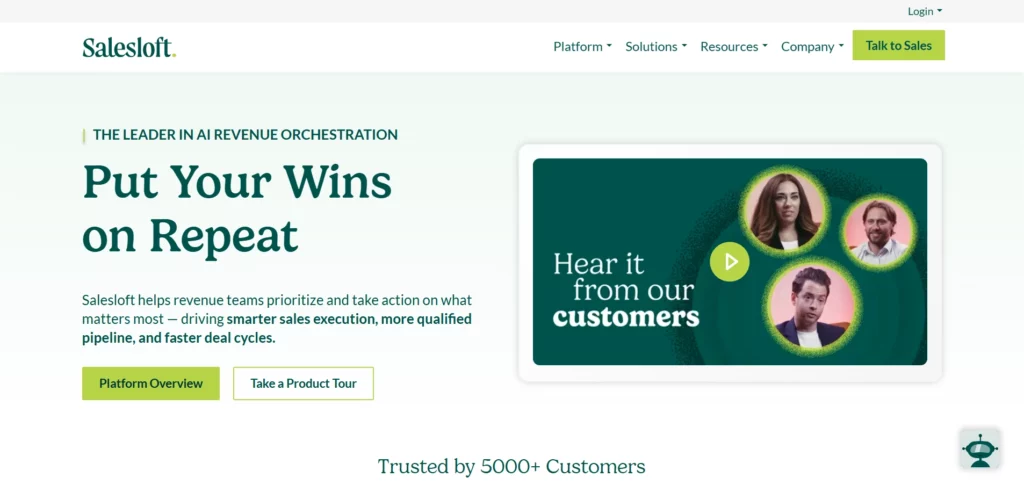
It enables revenue teams to execute account-based strategies with “Cadences” (sequences), providing coaching capabilities, deal progression insights, and conversation intelligence in a unified view.
Features:
- Cadence Automation: Orchestrate multi-channel steps (phone, email, LinkedIn) to ensure persistent follow-up.
- Conversation Intelligence: Transcribes and analyzes calls to identify coaching moments and buyer sentiment.
- Deals Pipeline View: Offers a visual dashboard of active opportunities with health scores to forecast accurately.
- Rhythm: A prioritization engine that ranks tasks based on buyer signals and intent data.
Pricing
Salesloft typically requires an annual contract and utilizes a per-user pricing model. You must contact their sales team for a custom enterprise quote.
Pros & Cons
Pros:
- An extremely polished user interface that sales reps often prefer.
- Strong focus on coaching and deal health, not just activity volume.
- Excellent customer support and community resources.
Cons:
- It can be expensive for early-stage startups or small teams.
- Implementation can be complex, requiring dedicated admin time to configure properly.
Apollo.io
Apollo.io is a data-first engagement platform that combines a massive B2B contact database with sequencing tools, making it an all-in-one solution for finding and contacting leads.
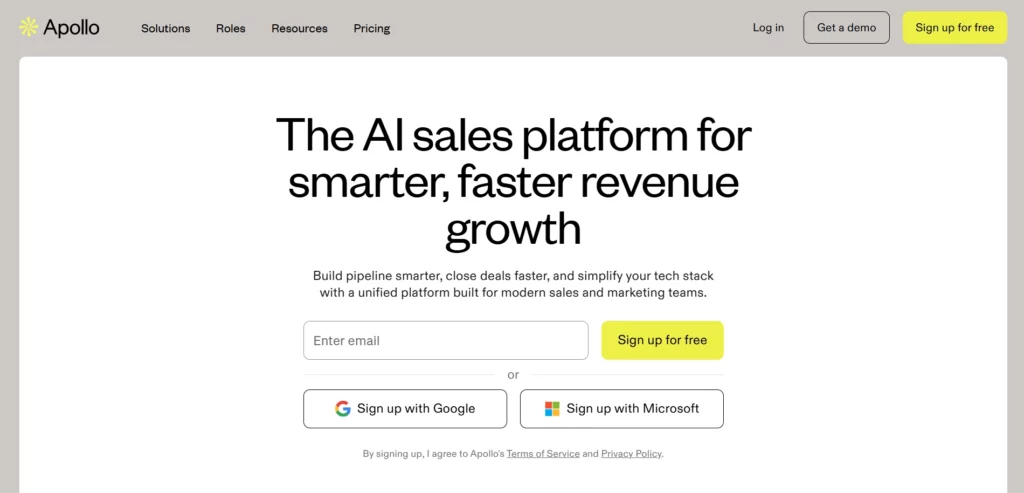
It is ideal for teams that want to consolidate their data provider and their email automation tool into a single subscription.
Features
- B2B Database: Access to over 275 million contacts with verified emails and direct dials.
- Sequences: Automated email and task steps directly linked to the prospecting database.
- Chrome Extension: Prospect directly from LinkedIn or company websites and push data to your CRM.
- Meeting Scheduler: Built-in calendar functionality to book demos without third-party tools.
- Intent Data: Identify which companies are researching your solution before you reach out.
Pricing
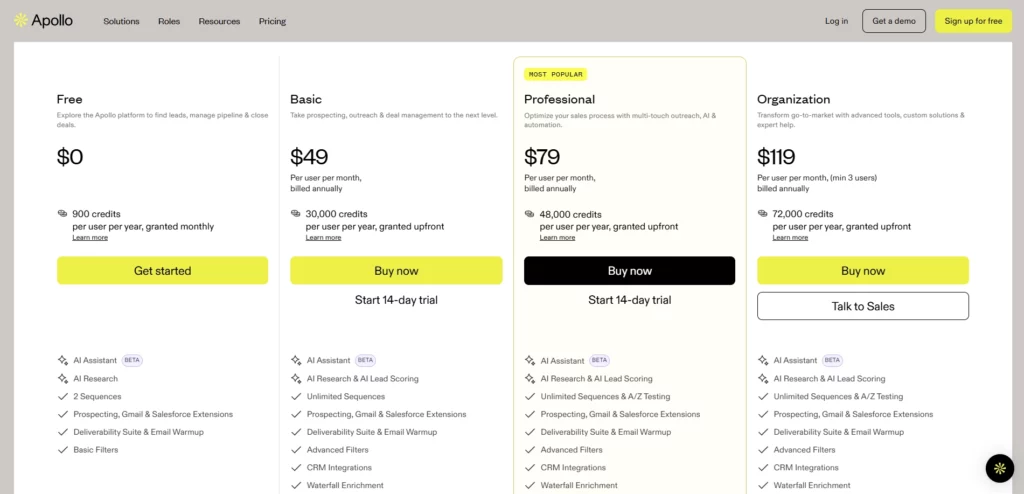
Apollo offers a generous Free tier, with paid plans starting around $49 per user/month, making it one of the most accessible options in the market.
Pros & Cons
Pros:
- Incredible value by bundling data credits with software features.
- Very fast time-to-value; you can start prospecting minutes after signing up.
- Seamless transition from finding a lead to enrolling them in a sequence.
Cons:
- The sequencing features are less advanced than Outreach’s enterprise controls.
- Customer support can be slower for users on lower-tier self-serve plans.
HubSpot Sales Hub
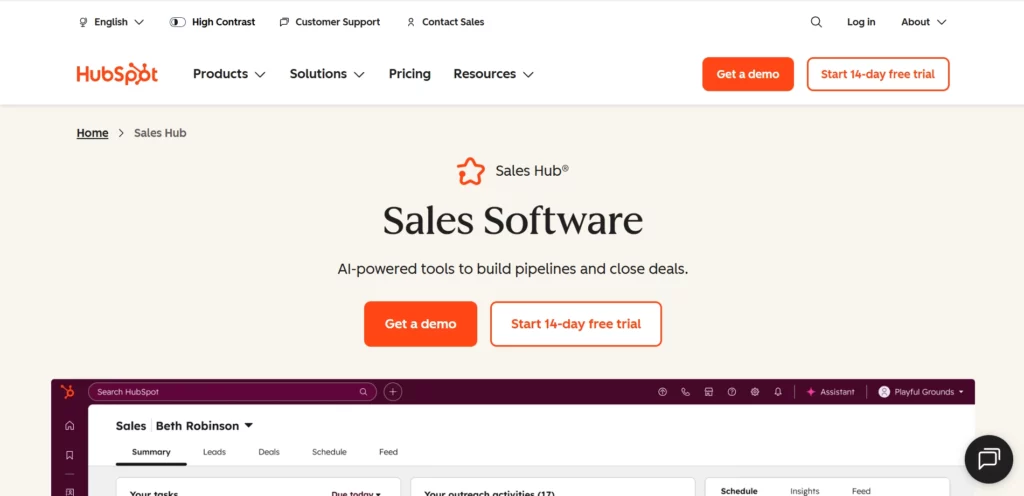
HubSpot Sales Hub is part of the integrated HubSpot CRM ecosystem, offering sales automation tools that live natively within your data.
Features:
- Email Sequences: Set up personalized email flows and task reminders that stop automatically when a lead replies.
- Call Tracking: Place calls directly from the CRM browser with automatic recording and logging.
- Document Tracking: Know exactly when a prospect opens your proposal and which pages they viewed.
- Meeting Scheduler: Share calendar links that sync perfectly with your CRM contacts.
- Workflow Automation: Powerful logic to rotate leads, update deal stages, and trigger internal alerts.
Pricing
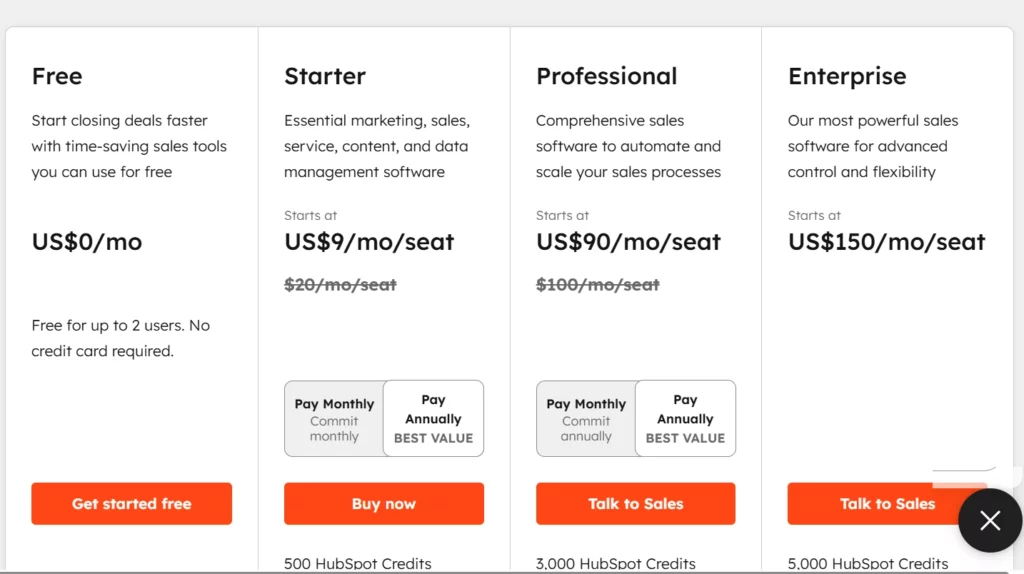
Starter plans start at $ 9/month, but the Professional tier (required for robust sequencing) starts at around $90/month.
Pros & Cons:
Pros:
- Unmatched integration; data sync issues are nonexistent if you use HubSpot CRM.
- All-in-one platform reduces “tab switching” for sales reps.
- The user interface is intuitive and easy to learn.
Cons:
- It can get very expensive as you move up tiers and add contacts.
- Sequencing features may lack the granular A/B testing depth of specialized tools like Outreach.
Gong Engage
Gong Engage transforms the renowned revenue intelligence platform into a full engagement suite, leveraging deep AI insights to recommend outreach steps.
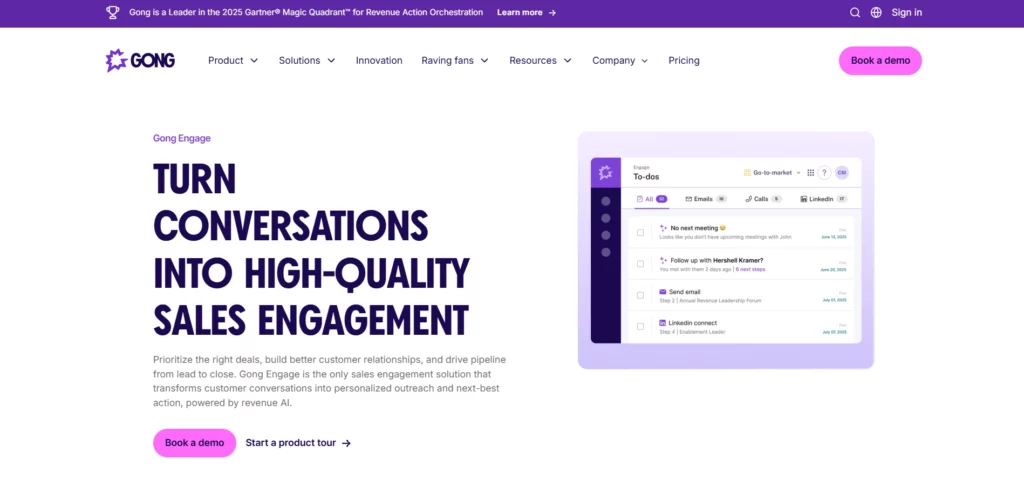
It seamlessly integrates prospecting activities with its core conversation analytics, providing a workflow that is driven by reality rather than guesswork.
Gong is designed to help teams base their outreach on actual buyer interactions and successful talk tracks.
Features
- AI Recommended Actions: Suggests who to contact and what to say based on deal context.
- Flows: Automated outreach sequences that integrate with your inbox and dialer.
- Unified Activity Timeline: See every email, call, and meeting in one consolidated view.
- Conversation Intelligence Core: Unrivaled analysis of call recordings to refine pitch and messaging.
Pricing
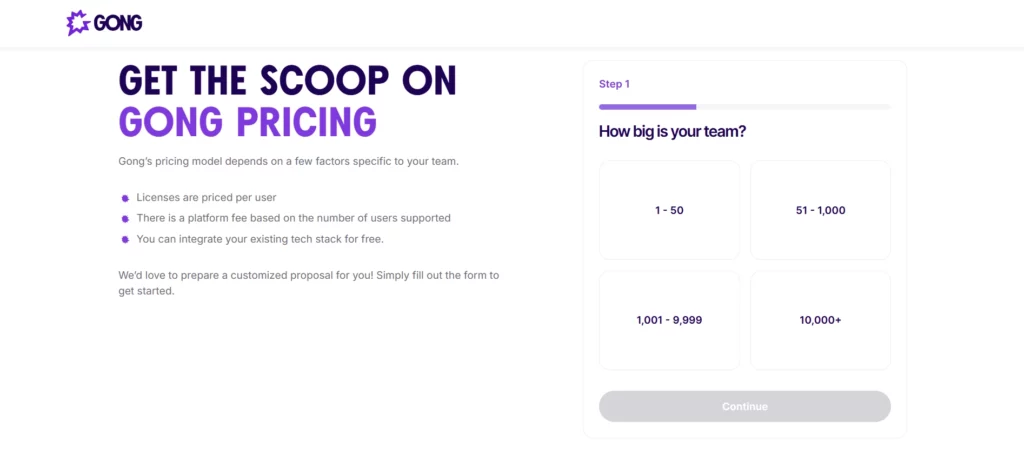
Gong does not publish pricing publicly; it is a premium enterprise solution based on platform fees and user seats.
Pros & Cons:
Pros:
- Market-leading AI insights derived from actual sales conversations.
- Consolidates intelligence and execution, reducing the tech stack.
- Highly effective for closing and account management, not just prospecting.
Cons:
- Premium price point tailored for mature sales organizations.
- It may be overkill for teams that just want simple email sequencing.
Mixmax
Mixmax is a sales engagement tool designed specifically for Gmail, offering powerful automation that feels like a natural extension of your inbox.
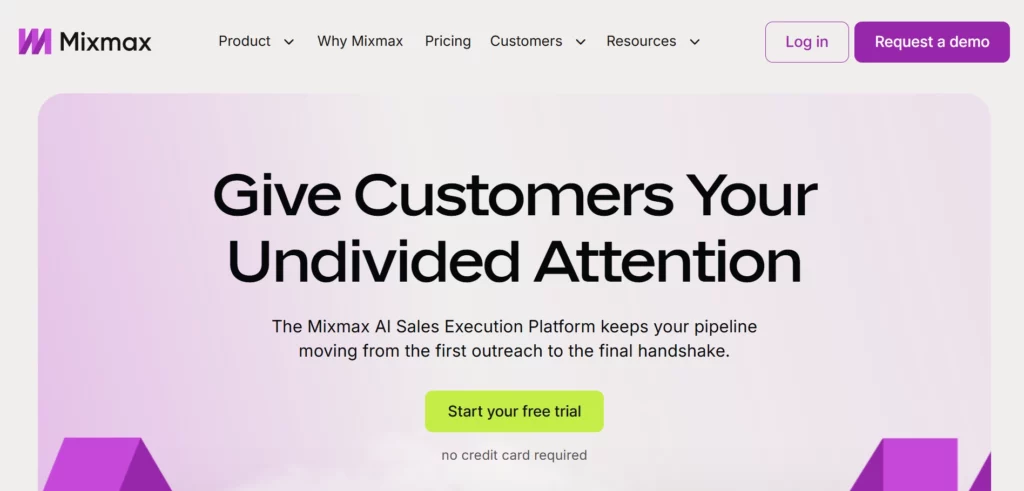
It enables smooth communication with features such as one-click scheduling, email tracking, and sequences.
Features
- Gmail Integration: Lives inside your inbox sidebar for maximum ease of use.
- Interactive Emails: Embed polls, surveys, and calendar invites directly into the email body.
- Sequences: Multi-stage drip campaigns with behavioral triggers.
- Sidechat: Collaborate with team members on email drafts without leaving the inbox.
- Salesforce Sync: Automatically logs emails and meetings to your CRM.
Pricing
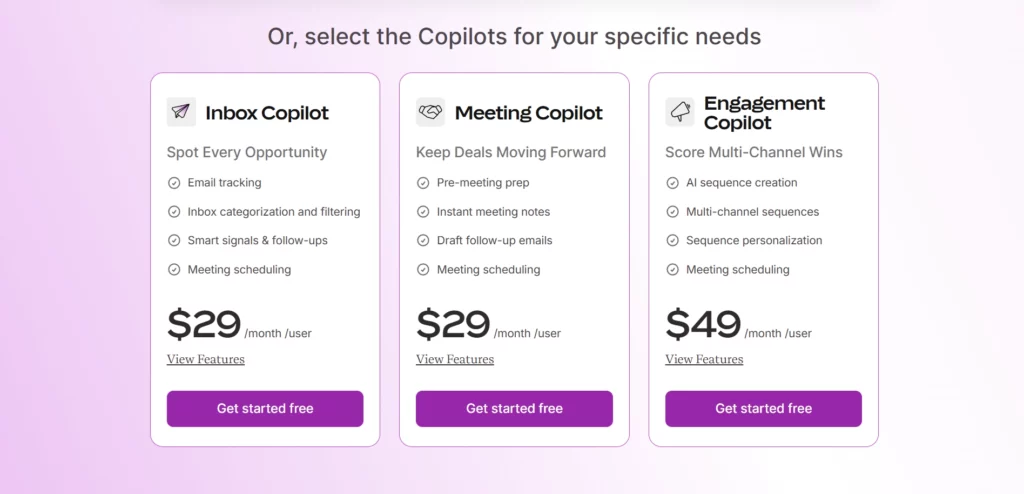
Mixmax offers various plans starting around $29 per user/month, making it a versatile option for mid-market teams.
Pros & Cons
Pros:
- Extremely easy to adopt for teams using Google Workspace.
- Unique “interactive” email features increase engagement.
- Affordable entry point with robust tracking capabilities.
Cons:
- Primarily focused on email; less robust for voice-heavy sales teams.
- Reliance on Gmail’s UI can be limiting for power users who need a separate workspace.
How to Select the Best Alternative for Your Requirements
Always consider several key factors when choosing the best alternative to Outreach to ensure that the platform meets your specific needs. These factors include cost, complexity, and the specific channels you prioritize.
Cost is essential in ensuring the service provides ROI without straining your CAC (Customer Acquisition Cost).
Complexity refers to the amount of training and administrative oversight the platform requires. High-end tools like Outreach often need a dedicated RevOps person.
The channels should coincide with your buyer’s preferences. If your prospects respond to voice, you need a strong dialer or voicemail tool.
Clarifying Your Needs
It is through defining your requirements that you should first evaluate an alternative.
Are you looking for enterprise-grade governance and reporting, or do you need agile speed and unique touchpoints, such as AI-voicemails?
Knowing your goal can help you choose the right platform that fits well within your budget, enhancing your sales operations.
Based on these factors, VoiceDrop stands out as a unique fit for any business seeking to add a high-leverage audio channel to their stack without the bloat of a full platform replacement.
Given its powerful AI setup and focus on delivery, VoiceDrop ensures the right people hear your message.
Book a demo today to see how VoiceDrop can elevate your communication strategy.
FAQ’s:
What is a Sales Engagement Platform (SEP), and how does it work?
A SEP is software that streamlines the prospecting process by automating multichannel sequences (email, calls, social). Unlike a CRM, which stores data, a SEP actively helps reps execute their daily outreach tasks efficiently.
Why should I switch from Outreach to an alternative?
You might switch if you find Outreach too expensive, too complex to configure for your team size, or if you need specialized features like AI ringless voicemail drops or better native data enrichment, which other platforms prioritize.
Can I try out alternatives to Outreach before committing to a paid plan?
Yes, alternatives like VoiceDrop, Apollo.io, and Mixmax offer free trials or “freemium” versions so you can test their sequencing and engagement capabilities before signing a contract.
How does the ease of use compare between Outreach and its alternatives?
Outreach is powerful but known for a steeper learning curve. Alternatives like Salesloft are often praised for better UX, while tools like Apollo and VoiceDrop are designed for rapid setup and immediate utility.