You have the name. You have the balance. But the phone number is dead.
In 2026, the “Ghosting Debtor” is the biggest threat to your recovery rates. With consumers ditching landlines and changing mobile carriers annually, static databases are becoming obsolete.
For a collection agency, this data gap isn’t just an annoyance; it’s a revenue leak.
When you rely on outdated contact info, the connection between a delinquent account and a resolved payment is severed. To close the gap, you need more than a search engine; you need a Professional Phone Lookup tool that acts as a compliance shield and a real-time locator.
Why “Free” Phone Lookup Sites Are a Liability Trap
The High Cost of “Free” Data
Cutting costs on data is the most expensive mistake an agency can make. “Free” or cheap people-search sites rely on stale public web scraping. This data is often 2–3 years out of date. Relying on it leads to two critical failures:
- Wasted Agent Hours: Every minute an agent spends dialing a disconnected number is a minute they aren’t negotiating a payment.
- The “False Positive” Trap: You might find a number, but it belongs to the debtor’s old roommate or landlord. This leads to awkward conversations and zero revenue.
The Reassigned Number Risk: Approximately 35 million phone numbers are reassigned annually in the US. If you dial a number the debtor used in 2022, you might be harassing a stranger in 2026. This is a primary trigger for TCPA lawsuits, where fines can reach $1,500 per call.
The Data Sources: Where Do Professional Lookups Get Info?
To avoid these risks, professional skip tracing and phone lookup tools rely on superior data sources that free sites cannot access.
The Gold Standard: Credit Header Data
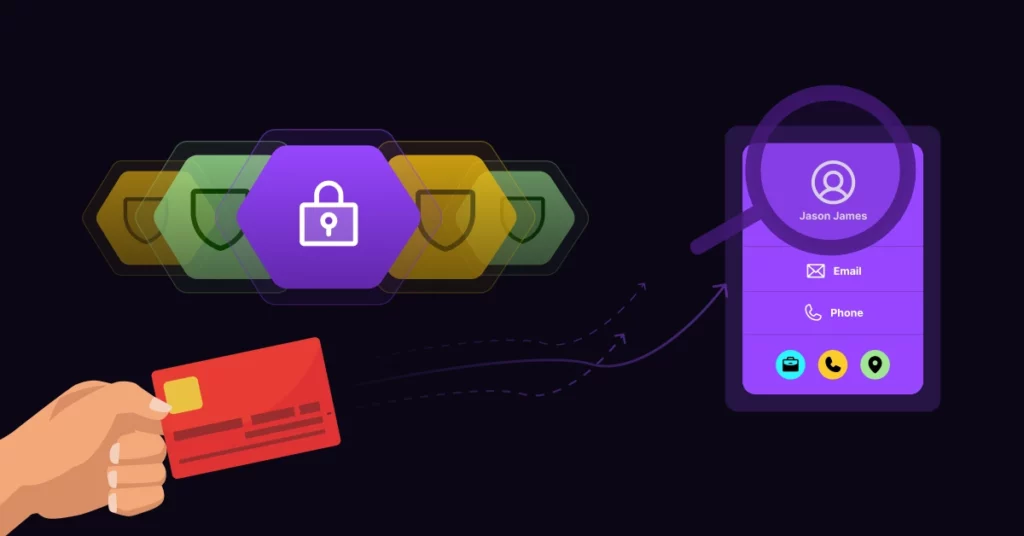
How do professional tools find someone who doesn’t want to be found? They bypass the public web and go straight to the Credit Header.
This is the top section of a credit report containing Personal Identifying Information (PII). It is dynamic and real-time.
- The Trigger: The moment a debtor applies for a new credit card, auto loan, or financing, that new address and phone number are recorded by the bureaus.
- The Result: Professional tools tap into this stream, allowing you to see where the debtor is active today, not where they lived two years ago.
Utility and Telecom Data
Beyond credit reports, advanced tools aggregate data from utility and telecom providers. Connecting electricity at a new apartment, setting up water service, or registering a new SIM card creates a digital footprint.
Professional phone lookup services access these utility connections to pinpoint a physical location and active phone status, often identifying a move before the debtor has even updated their driver’s license.
Critical Compliance Features for Collectors (TCPA & FDCPA)
Finding the number is only half the battle. Knowing how you are legally allowed to dial it is the other half.
Distinguishing Mobile vs. Landline
Under the TCPA, using an auto-dialer (ATDS) on a mobile phone without consent is a violation. Professional lookup tools provide a “Line Type” flag, instantly categorizing numbers as Landline (Safe to auto-dial) or Mobile (Manual dial/Consent required).
Pro Tip: Don’t risk a lawsuit by guessing. Before loading a list into your dialer, verify carrier and line types instantly with 1Lookup to ensure you are strictly complying with TCPA mobile rules. 1Lookup is built by the same team as VoiceDrop.
The “Litigator Scrub”
A hidden threat in the industry is the “Professional Plaintiff.” These are individuals who know the collection laws inside out and intentionally bait collectors into making a mistake so they can sue for damages.
High-end lookup tools include a “Litigator Scrub” feature. This compares your list against a database of known serial plaintiffs and removes their numbers before you ever make a call, saving your agency from inevitable lawsuits.
FDCPA and Third-Party Disclosure
The Fair Debt Collection Practices Act (FDCPA) prohibits debt collectors from revealing the existence of a debt to third parties.
If you use low-quality data and call a “probable associate,” you risk speaking to a neighbor, employer, or distant relative. If the agent accidentally implies they are collecting a debt, a violation has occurred.
Accurate, verified phone lookups minimize this risk by ensuring you are connecting directly with the debtor, not their entire social circle.
Batch Processing vs. Single Lookup: Optimizing Workflow
Depending on the size of your portfolio, you will utilize phone lookup tools in two distinct ways.
Single Lookup (High-Balance Accounts)
For high-value accounts where the balance justifies the time investment, “Single Lookup” is ideal. This allows a specialized investigator or senior collector to dig deep. They can review address history, possible relatives, and asset data to build a complete profile of a difficult-to-locate debtor.
Batch Skip Tracing (Portfolio Scrubbing)
For agencies handling thousands of smaller accounts, manual searching is impossible. This is where Batch Processing is essential.
You simply upload a CSV file containing 10,000+ accounts. The system processes the entire list, appending the most recent phone numbers, addresses, and line-type indicators to every record in minutes. This effectively “scrubs” your portfolio, removing dead data and replacing it with actionable leads instantly.
From “Number Found” to “Payment Collected”: The Outreach Strategy
Finding the correct number is only the first step. The goal is to engage the debtor without causing friction.
Using Ringless Voicemail (RVM)
Once you have the correct, verified number, the goal is to engage without causing friction. Debtors often screen calls due to anxiety or embarrassment. Aggressive dialing results in blocked numbers.
The “Soft Touch” Approach: Ringless Voicemail Instead of a cold call, use Ringless Voicemail (RVM). This technology drops a pre-recorded notification directly into the debtor’s inbox without the phone ringing.
- Non-Intrusive: It respects the debtor’s privacy.
- Higher Response: It puts the ball in their court, allowing them to listen privately and call back when they are ready to pay.
Learn how Ringless Voicemail Drops can help you collect more while reducing agent fatigue.
SMS Drip Campaigns
For mobile numbers where you have obtained consent, SMS is a powerful tool. Text messages have a 98% open rate compared to the declining answer rates of voice calls. An automated SMS reminder about a payment plan often yields a faster response than a voicemail.
Integrating Data into Your Collection Software

Data is useless if it is trapped in a spreadsheet or an external website. Efficiency comes from integration.
Connecting via API to CRMs
Modern phone lookup tools offer API connections that sync directly with major collection platforms like Simplicity, Lariat, or specialized Salesforce builds.
Instead of manually typing a new phone number into a debtor’s file, the API pushes the new data directly into the CRM the moment it is found. This automation ensures your agents are always dialing the freshest number available. Explore VoiceDrop Integrations to see how you can streamline your data flow.
Common Pitfalls in Debt Collection Lookups
Ignoring the “Do Not Call” (DNC) Registry
While debt collection calls are generally exempt from the National Do Not Call Registry, this exemption only applies if you are calling to collect a bona fide debt. If you are using skip tracing for any other purpose, or if you do not have a transactional relationship, you must scrub against the DNC list. Furthermore, many states have their own mini-TCPA laws that may impose stricter DNC rules.
Relying on “Free” People Search Apps
It bears repeating: free apps sell data to everyone. If a number is listed on a free public site, it is likely that the debtor has been bombarded with spam calls on that line and has already blocked unknown numbers. Paying for exclusive, credit-header-based data gives you access to numbers that haven’t been burned by every telemarketer in the country.
Common Pitfall: The “Dirty List”
Many agencies make the mistake of buying a list and dialing it immediately. This is dangerous. Even “fresh” lists can contain disconnected numbers or spam traps.
The Fix: Always validate before you dial.
- Check Line Status: Is the number active?
- Check Carrier: Is it a mobile line?
Try it now: Not sure if your data is valid? Stop wasting hours dialing dead ends. Run a quick free phone lookup on 1Lookup to filter out disconnected numbers before your team starts their shift.
Conclusion
In 2026, the collection agency with the cleanest data wins. Compliance is not a hurdle; it is a safety net that protects your license and your revenue. By moving away from manual, risky searches and adopting professional phone lookup tools, you protect your business from lawsuits and empower your agents to do what they do best: negotiate solutions.
Stop risking lawsuits with bad data. Start finding the Right Party today and see it in action to automate your outreach.
FAQ’s
Is it legal to skip-trace a debtor?
Yes, skip tracing for debt collection is considered a “permissible purpose” under federal law (GLBA), provided you follow FDCPA guidelines regarding how you use that data and who you contact.
What is the difference between Public Records and Credit Header data?
Public records (such as voting registries or property deeds) are slow to update, sometimes taking months. Credit Header data comes directly from credit bureaus and updates in real-time whenever a consumer applies for credit, making it far superior for locating debtors.
How much does a batch phone lookup cost?
Professional services typically charge between $0.15 and $0.50 per hit (successful match), depending on the volume of records processed and the quality of the data sources used.