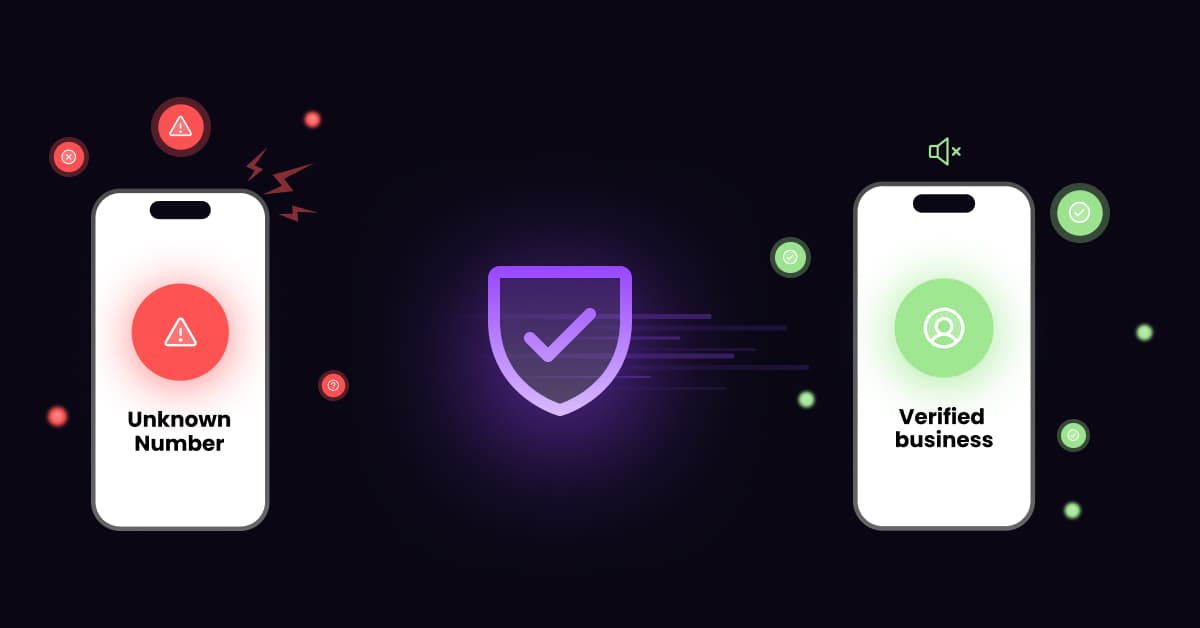
The phone rings. You don’t recognize the number.
Every unknown number in your CRM is a leak in your revenue pipeline.
Your sales team is dialing blind. Your fraud team is guessing. In 2025, operating without data isn’t just inefficient, it’s dangerous.
Is that incoming lead a CEO ready to buy, or a bot wasting your ad spend?
Is that order from a legitimate mobile phone, or a disposable VOIP line used by a scammer?
Stop guessing. The solution is a Reverse Phone Lookup Service, enterprise-grade tech that turns raw digits into actionable identity profiles instantly.
How Does a Reverse Phone Lookup Service Actually Work?
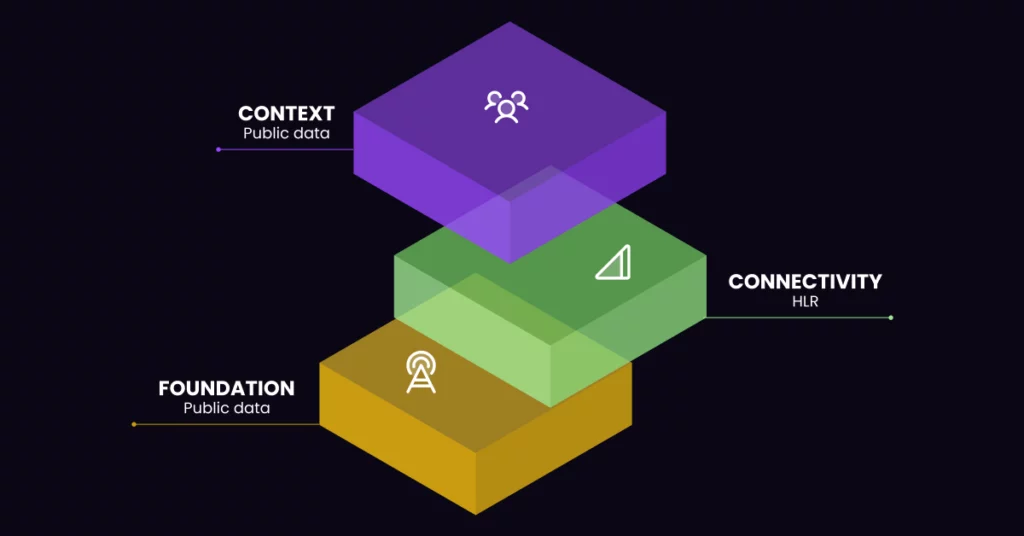
Many people assume reverse lookup tools use “magic” or illegal hacking. The reality is much more technical and compliant. To understand the value, you need to understand the three layers of data these services access.
CNAM (Caller Name) Databases
CNAM is the official “Phone Book” of the telecom world. When you use a professional lookup tool, you aren’t just Googling a number; you are querying the live carrier databases used by Verizon, AT&T, and T-Mobile. This gives you the verified subscriber name, essential for getting past gatekeepers.
HLR (Home Location Register) Lookups
An HLR lookup is a technical query that pings the mobile network to check the current status of a phone number. It tells you if the number is currently active, which network it belongs to (e.g., Verizon vs. T-Mobile), and whether it is roaming. This ensures you aren’t wasting time dialing dead lines.
Public Records & Social Scraping
While carrier data provides the technical backbone, some advanced tools also aggregate data from public sources. They cross-reference the number with LinkedIn profiles, Facebook accounts, and property records to build a fuller profile, often providing job titles or associated email addresses.
3 Critical Business Use Cases for Reverse Lookup
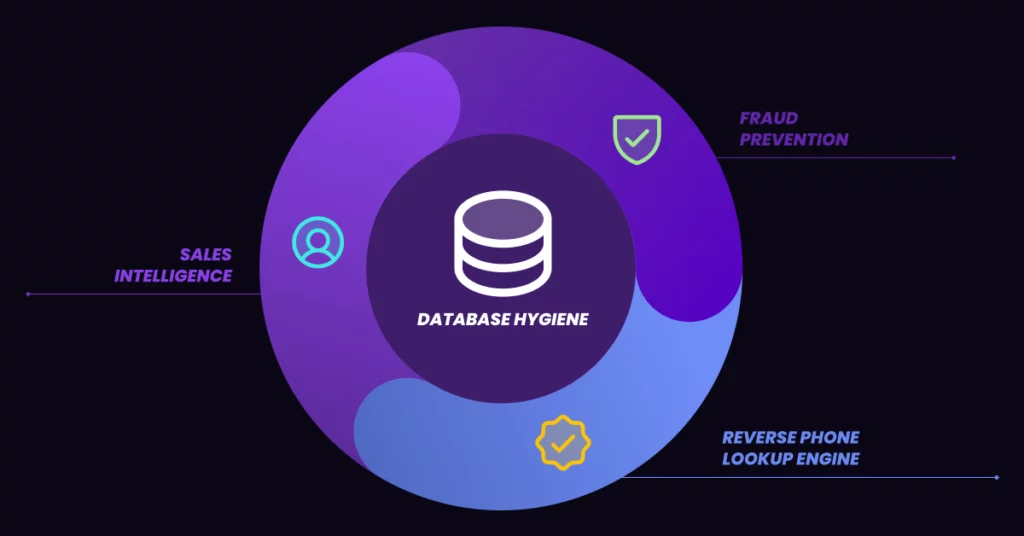
Why should a business pay for this data? It comes down to three ROI-driven use cases.
1. Sales Intelligence & Lead Enrichment
Blind dialing is dead. If your rep asks, “Who is this?”, you’ve already lost. A lookup service tells you the prospect’s name and location before the ring.
According to sales personalization stats, 78% of B2B buyers expect you to know their context. Data gives your SDRs the confidence to bypass gatekeepers and open with value, not questions.
2. Fraud Prevention & Risk Analysis
Lookup tools are not just for sales; they are a critical layer of defense. By identifying the line type, you can flag high-risk interactions.
For example, a generic VOIP number (often used by scammers) requires more scrutiny than a verified Mobile number (typically a legitimate user). This allows you to stop fraudulent transactions before shipping a product.
3. Database Hygiene (CRM Cleaning)
Data decays rapidly. People change numbers and switch carriers. A reverse lookup service helps you scrub your CRM by identifying and removing disconnected numbers. This improves your delivery rates and ensures your sales team focuses only on valid contacts.
The Dangerous Difference: “Free” Sites vs. Professional Services
If you Google “reverse phone lookup,” you will find hundreds of sites claiming to be free. Avoid them. For a legitimate business, these sites are dangerous.
The “Data Broker” Trap: Why Free Costs You More
There is no such thing as a free lunch. “Free” lookup sites are often data harvesting operations. When you search for a client’s number on these sites, you are often handing that lead’s data over to advertisers.
Worse, their data is often scraped from 5-year-old public records. In business, relying on old data isn’t just free, it’s a liability. Professional services use real-time carrier queries to protect your brand and your budget.
Accuracy & Latency
Free sites usually rely on old public record databases that are purchased cheaply. The data is often 2 to 5 years old. In contrast, professional services use real-time carrier queries to get the data as it exists today.
API Access
Free sites require you to manually type numbers one by one. Professional services offer API access, allowing you to automate the process directly inside your software.
Understanding the real impact of fraud on business, which can stem from bad data and security lapses, is essential for protecting your company’s bottom line.
Key Features to Look for in a Business Lookup Tool
Not all lookup tools are created equal. Here is what matters for business utility:
Data Match Rate
This refers to the percentage of numbers that return a successful result. A top-tier tool should achieve a match rate of 70-90% for mobile numbers. Low match rates mean wasted money.
Line Type Detection (Fixed VOIP vs. Mobile)
This is critical for compliance. You need to know if a number is a Landline (Wireline) or a Mobile phone.
Why?
Because legally, you cannot send automated text messages to a landline. Distinguishing line types protects you from fines.
Bulk Processing Capabilities
Businesses deal with volume. You need a tool that allows you to upload a CSV file containing 10,000+ leads and get the results back quickly, often overnight, rather than searching one by one.
GDPR & CCPA Compliance
Ensure your vendor sources their data legally. Professional services respect “opt-out” requests and adhere to privacy regulations, keeping your business safe from litigation.
Top Reverse Phone Lookup Services Reviewed (2025)
Based on business utility, accuracy, and speed, here are the top contenders:
1. 1Lookup (Best for Accuracy & Bulk)
1Lookup stands out for its focus on direct carrier data and high-accuracy HLR lookups. It provides affordable bulk pricing without requiring massive enterprise contracts, making it the perfect solution for bulk Data Enrichment to clean up your existing lists.
2. VoiceDrop (Best for Integration)
VoiceDrop isn’t just a lookup tool; it’s an outreach platform. It offers built-in lookup capabilities that flow directly into your voicemail and SMS campaigns, ensuring you only message valid mobile numbers.
3. ZoomInfo (Best for Enterprise B2B)
ZoomInfo is a powerhouse for corporate data. It excels at mapping deep corporate hierarchies. However, it is very expensive and is best suited for large enterprise sales teams.
4. Twilio Lookup (Best for Developers)
If you have a team of coders, Twilio offers a robust API solution. It is reliable for identifying line types but requires development resources to implement.
5. BeenVerified (Best for Consumer Research)
BeenVerified is a popular consumer tool. It is good for one-off background checks and finding lost contacts, but it lacks the API and bulk features required for business scale.
Strategic Implementation: Turning Data into Revenue
Data is useless if it sits in a spreadsheet. You must operationalize it.
Segmenting Your Audience
Use the lookup results to filter your lists.
- “If the lookup says ‘New York’, put them in the East Coast campaign.”
- “If the lookup says ‘Mobile’, send an SMS.”
- “If the lookup says ‘Landline’, schedule a manual call.”
Personalizing the Outreach Script
Skip the “Who is this?” phase. Because you know who they are, you can move straight to value. Once your segments are ready, you can utilize tools for Mass Text Messaging to deploy these personalized campaigns at scale.
Step-by-Step Guide: How to Perform a Bulk Lookup
Ready to clean your list? Follow these steps:
- Export Your Data: Download your contact list from HubSpot, Salesforce, or your current CRM into a CSV file.
- Format for Success: Ensure all phone numbers have the correct Country Code (e.g., +1 for the USA). Remove special characters like parentheses or dashes.
- Run the Enrichment: Upload your formatted file to your chosen lookup service (like 1Lookup).
- Re-Import and Action: Once the process is done, map the new “Name,” “Carrier,” and “Line Type” fields back into your CRM.
Pro Tip: Don’t rely on outdated data. Start your Bulk Lookup now to instantly verify numbers and get real-time carrier data. 1Lookup is built by the same team as VoiceDrop.
Legal and Ethical Considerations
Is Reverse Lookup Legal?
Yes. Accessing public records and carrier data for identification purposes is fully legal. These are not private, encrypted communications; they are directory listings.
The “Harassment” Line
However, knowledge is not consent. Just because you know a prospect’s name does not mean they opted into your marketing. Use the data to verify and inform your conversation, not to spam or harass.
TCPA Compliance
This is the most important rule: Check the “Line Type” before texting. The TCPA strictly prohibits using autodialers to contact lines that the user is charged for (like mobile phones) without consent, and contacting landlines with SMS is technically impossible and can lead to carrier flagging.
Measuring the ROI of a Lookup Service
To justify the cost, calculate the cost of not knowing. The formula is simple:
(Time saved by reps’ research + Fraud prevented) > (Cost of Lookup Service)
If a rep saves 5 minutes of Googling per lead, the service pays for itself immediately.
Furthermore, by filtering out wrong numbers, you can accurately measure campaign performance and understand exactly which scripts are working, without the noise of invalid data skewing your results.
Conclusion: The End of the Mystery Caller
In 2025, accuracy, speed, and integration are the three pillars of a successful outreach strategy. Sticking to free data or flying blind costs more in the long run through wasted time and lost opportunities.
Don’t settle for guessing. Verify your leads today and launch your next campaign with VoiceDrop.
FAQ’s
Can I find a person’s address from their phone number?
Yes, if the carrier data or available public records contain it. However, address accuracy varies significantly compared to name and carrier data, which are usually more current.
How much does a reverse phone lookup service cost?
Costs vary by provider. Some charge per lookup (ranging from $0.01-$0.05), while others offer monthly subscriptions. Bulk processing is almost always cheaper than individual lookups.
Does the person know I looked them up?
No. Reverse phone lookups are passive queries against a database. They do not ring the user’s phone or alert them in any way.
What is the difference between a “People Search” and a “Carrier Lookup”?
A “People Search” generally relies on scraping web data and public records. A “Carrier Lookup” queries the actual telecom network infrastructure. Carrier lookups are significantly more accurate for determining if a line is active and who currently owns it.