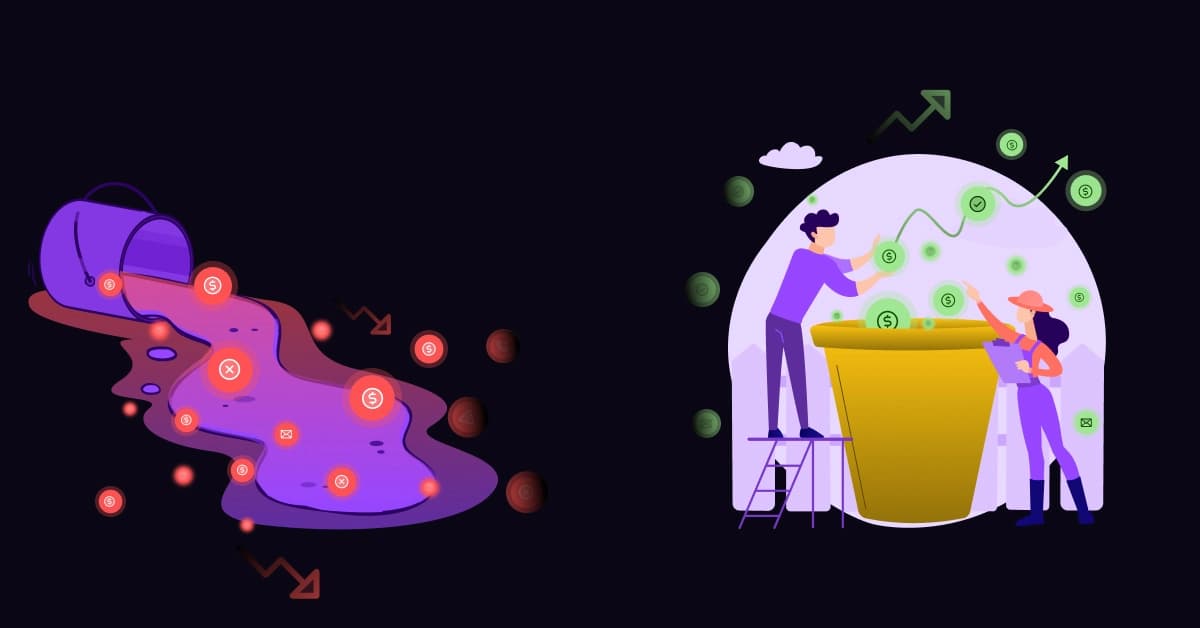
Fundraising is a “leaky bucket” problem. You can pour endless leads into your funnel, but if your data is riddled with holes, your budget drains away before it ever fuels your mission.
Many directors believe the key to hitting goals is “more calls” or “better scripts.” They are wrong. The real driver of ROI is deliverability.
If your message never reaches the donor, it cannot inspire a donation. A bulk donor list cleaning tool plugs these leaks, bridging the gap between a static list and a dynamic, high-performing campaign. It ensures every dollar spent on outreach actually lands on a valid phone.
The “Silent Killer” of Fundraising Campaigns
Fundraising directors obsess over conversion rates, but they often overlook the quality of the raw fuel: data. Ignoring hygiene destroys efficiency in two ways:
The Cost of “Ghost Dialing”
Every disconnected number in your database is a micro-tax on your budget. Whether you pay per SMS segment or per agent hour, contacting “ghost” numbers burns funds.
- Wasted Time: An agent dialing a disconnected line wastes ~15 seconds per call. Across 10,000 calls, that’s 41 hours of paid time lost.
- Inflated CPA: Bad data artificially inflates your Cost Per Acquisition, making your team look less effective than they actually are.
Data Decay Statistics
Donor data has a shelf life. Approximately 20% of contact info changes annually due to moves, job changes, or career switches. If you haven’t cleaned your list since the last election cycle, nearly one in five numbers is likely dead.
Manual Scrubbing vs. Bulk Automation
In the past, interns or volunteers might have spent weeks manually checking spreadsheets. However, in the modern era of big data, this approach is obsolete.
Why Excel Fails
Trying to clean a database using Excel is a recipe for disaster. Manual spot-checking is virtually impossible when dealing with lists of 10,000 or more donors. Furthermore, it is incredibly slow and prone to human error.
Most importantly, looking at a spreadsheet cannot tell you if a phone number is currently active. A number might look correct in terms of formatting (10 digits), but it could have been disconnected yesterday. Excel simply cannot “ping” the network to verify connectivity.
The Speed of Bulk Processing
Automated bulk cleaning tools change the math. By using API connections to telecom networks, these tools process thousands of records in minutes. This shifts your team’s focus from “data entry” to “donor strategy.”
Core Technologies Behind the Cleaning Process
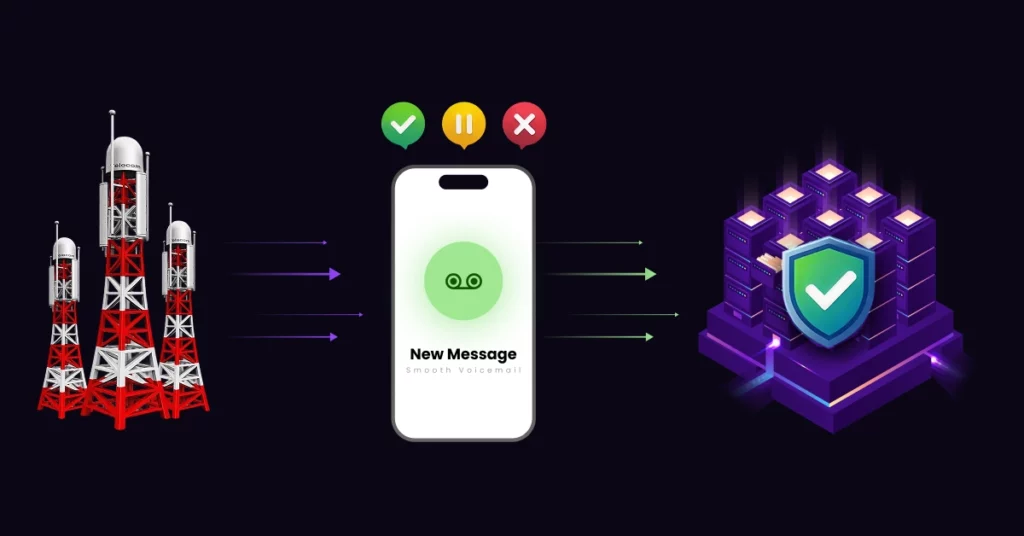
It isn’t magic; it is sophisticated telecom tech working in the background.
HLR Validation (The “Ping” Test)
The gold standard for verification is HLR (Home Location Register) validation. The cleaning tool sends a signal to the mobile network to check the phone number’s status.
Crucially, this “ping” happens in the background without ever ringing the donor’s phone. It tells you definitively if the number is active, temporarily suspended, or permanently disconnected. This real-time validation is the only way to ensure 100% accuracy.
Line Type Intelligence (Mobile vs. Landline)
Strategy dies without segmentation. You cannot text a landline, and you cannot use mass text messaging on numbers that don’t support SMS. Bulk tools automatically tag every number as Mobile, Landline, or VoIP.
🚀 Stop wasting budget on silent failures. Instantly validate any specific number to separate real mobile devices from landlines before you hit send. Run a Free Carrier Lookup on 1Lookup. 1Lookup is built by the same team as VoiceDrop.
Navigating the Legal Minefield (TCPA)
For non-profit boards, legal safety is often just as important as revenue. Violating federal regulations can lead to massive fines that could bankrupt a smaller organization.
The “Reassigned Number” Risk
Approximately 100,000 mobile numbers are reassigned to new users every day. If you text a donor who changed their number, and that number now belongs to someone else, you are spamming a stranger. Cleaning tools check against the Reassigned Numbers Database (RND) to prevent this.
Defense Against “Professional Plaintiffs”
Some individuals own phones specifically to “bait” organizations into calling them, solely to sue for damages. To protect your non-profit, you must scrub against a TCPA litigator list. A good bulk tool identifies these predatory numbers and automatically removes them.
Strategic Segmentation for Higher Donations
Clean data doesn’t just prevent loss; it actively improves your marketing strategy by allowing for smarter segmentation.
Targeting Mobile Donors with RVM
Once you have isolated valid mobile numbers, you unlock new channels of communication. For example, you can use Ringless voicemail for non-profits to drop a “Thank You” message directly into a donor’s inbox without interrupting their day. This strategy is non-intrusive and highly effective, but it only works on the mobile segment of your cleaned list.
Prioritizing Live Calls for Landlines
Conversely, older, high-net-worth donors often stick to landlines. By identifying these numbers, you can route them to your best live agents. Instead of wasting SMS credits on lines that can’t receive them, you can invest your most personal resource, human conversation, where it matters most.
Step-by-Step: How to Clean Your Donor List
Implementing a hygiene workflow is easier than most fundraising managers expect. Here is the practical process.
Step 1: Exporting from Your CRM
Export your contact list from Salesforce, Raiser’s Edge, or HubSpot. Ensure your columns are clean (e.g., separate “First Name” and “Phone”).
Step 2: Running the Batch Scrub
Upload your CSV to the cleaning tool. The system maps your columns and runs the HLR check. For a list of 50,000 records, this typically takes less than an hour.
Step 3: Removing the “Toxic” Data
Download your report. Do not simply hide the bad numbers; delete them or flag them as “Invalid” in your CRM to prevent future accidental dials.
💡 Pro Tip: Don’t have a massive list? If you only need to verify a few new donors or spot-check a suspicious number, you don’t need a full bulk scrub. Verify Individual Phone Numbers Instantly.
Protecting Your Sender Reputation
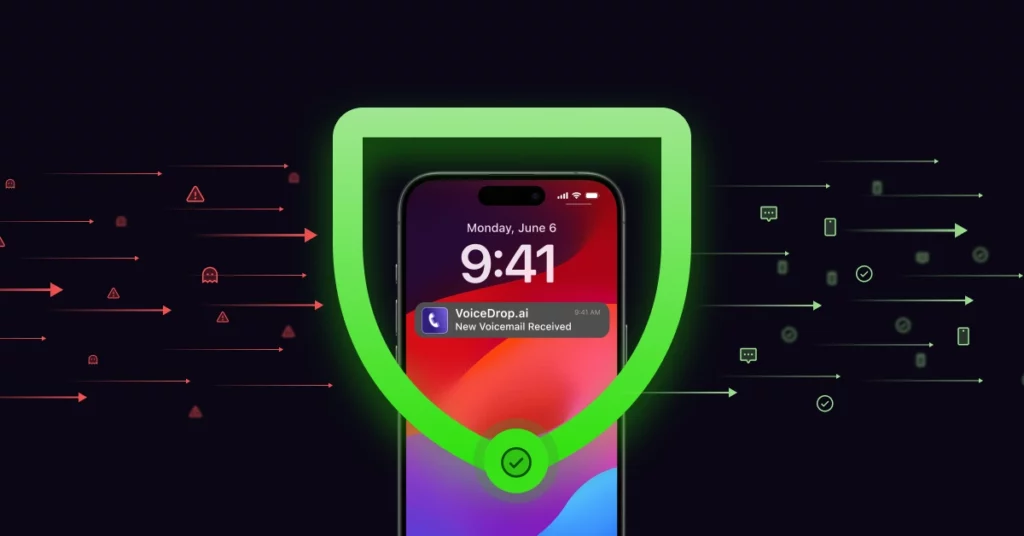
Beyond the immediate cost savings, data hygiene protects your long-term ability to communicate.
Avoiding the “Spam” Folder
Carriers like AT&T and Verizon monitor traffic for spam-like behavior. If you text 10,000 numbers and 30% of them are invalid, carriers assume you are a spammer. Consequently, they will block your future messages, meaning even your valid donors won’t receive your updates.
Maintaining High Deliverability Rates
Clean lists result in high delivery rates (typically 98%+). Adhering to strict data hygiene and FCC robocall regulations helps maintain the “health” of your toll-free or 10DLC numbers, ensuring your organization stays in good standing with telecom providers.
Integration: API vs. Batch Cleaning
Depending on your organization’s size, you may need different cleaning methods.
When to Use Batch Processing
Batch processing is best for quarterly maintenance or right before a big campaign, such as an end-of-year giving drive. It effectively cleans the “historical” data that has been sitting in your CRM.
Real-Time API for Donation Forms
To prevent bad data from ever entering your system, use an API. This integrates with your website to validate numbers the moment a donor types them into a donation form. If a donor makes a typo, the system can prompt them to correct it immediately.
Conclusion
In the non-profit world, stewardship is everything. Every dollar wasted on a disconnected number is a dollar taken away from your cause. Using a bulk donor list cleaning tool isn’t just an IT task; it is a financial responsibility.
Ensure your message lands where it matters. Connect with real people, not digital ghosts.
Ready to stop wasting money? Start your free data audit today and see exactly how much budget you can save.
FAQs
How often should a non-profit clean its donor list?
At a minimum, you should clean your list at least once every 3-6 months. However, it is mandatory to do so before any major fundraising push to ensure maximum deliverability.
Will cleaning my list delete my donors?
No, the process simply flags the bad phone numbers or updates the status. You keep the donor record, donation history, and all other information intact.
Can I separate mobile numbers from landlines?
Yes, this is a primary feature of bulk cleaning tools. It allows for better segmentation, so you can text mobiles and call landlines.