
Send a ringless voicemail drop from Zoho CRM without dialing
Connect Zoho CRM to VoiceDrop through Zapier, Make or the REST API, and a new lead or an updated record can drop a voicemail in your own cloned voice.


A Zoho CRM voicemail drop follows up on a lead while your reps keep selling.
A voicemail drop leaves a recorded message in a contact's voicemail box. VoiceDrop sends it as ringless voicemail, so the phone does not ring and the lead hears the message when they are ready.
Connected to Zoho CRM, the drop fires when a lead is created or a record changes, and your AI voice clone reads a script with the lead's own details. Teams that would rather skip Zapier can call VoiceDrop from a Zoho workflow webhook, which the Zoho CRM voicemail automation guide walks through.
You can connect Zoho CRM to VoiceDrop in three ways.
| Way to connect | How it works | Code needed |
|---|---|---|
| Zapier | A Zoho CRM trigger such as New Lead starts a VoiceDrop action | None |
| Make | A scenario with filters and branches passes the contact to VoiceDrop | None |
| REST API | Your own code sends each voicemail and gets its status on a webhook | A developer |
Set up a Zoho CRM voicemail drop in six steps.
- 1
Get your VoiceDrop account ready.
Create a VoiceDrop account, add a voice clone, and verify the phone number your voicemails will come from. Then copy your API key from the VoiceDrop dashboard.
- 2
Create a Zap with Zoho CRM as the trigger.
In Zapier, choose Zoho CRM and an event such as New Lead, New Contact or Updated Module Entry, then log in to Zoho.
- 3
Filter to the change that matters.
Updated Module Entry fires on any edit, so add a Zapier filter on the field you care about, such as Lead Status, and only that change continues.
- 4
Add the VoiceDrop action to the Zap.
Choose the VoiceDrop Zapier app and the action Send an AI Voice RVM to have your voice clone read a script, or Send a Static Audio RVM to play a recording you already have (RVM is short for ringless voicemail). Connect VoiceDrop with your API key. To send Zoho CRM contacts through a scheduled campaign instead, use Add Prospects.
- 5
Map the phone numbers and write the script.
Map the contact's phone from Zoho CRM to Phone (To) and your verified number to Phone (From). Then write the script and insert the first name and company from the Zoho CRM trigger, so each voicemail speaks to one person.
- 6
Test it on yourself, then turn it on.
Run the Zap on a test lead with your own mobile number, listen to the voicemail, and switch the Zap on when it sounds right.
These Zoho CRM triggers make good voicemail drops.
A new lead gets a voicemail before the first call.
Use New Lead so each lead from your forms or imports hears a short, personal welcome.
A lead status change sends the next touch.
Use Updated Module Entry on Leads with a filter on Lead Status, so a lead your rep could not reach gets a follow-up voicemail.
A new contact can get a thank-you.
Use New Contact, so a converted lead hears a thank-you voicemail with the next step.
This is what the VoiceDrop side of a Zoho CRM voicemail drop looks like.
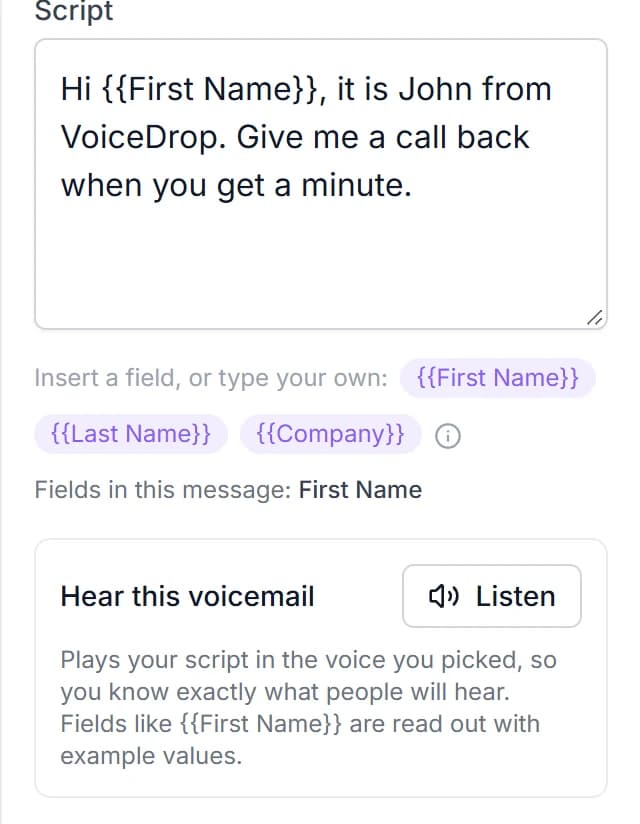
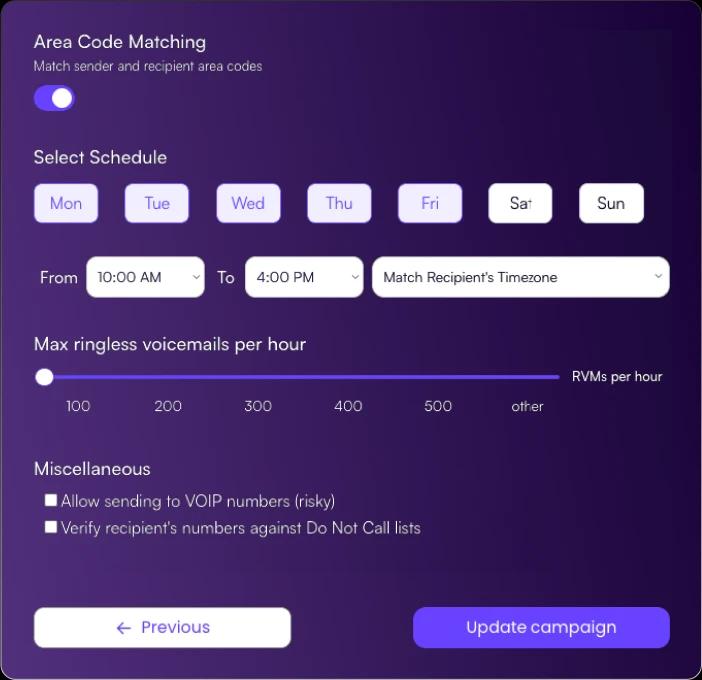
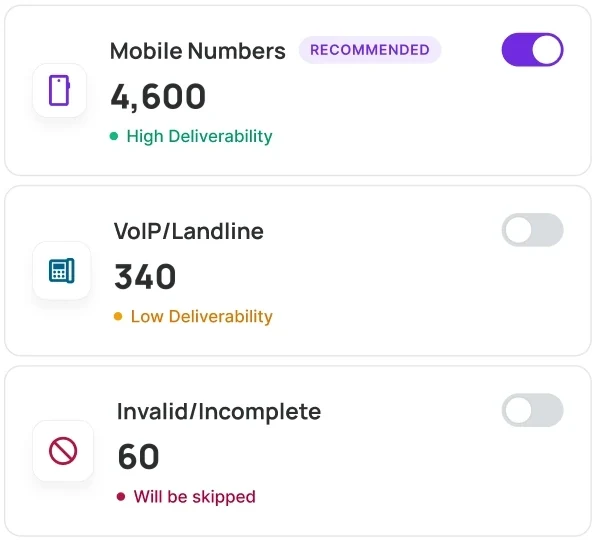
The outcome can be logged on the Zoho record.
Both VoiceDrop voicemail actions in Zapier have a Send Status to Webhook field. Point it at a second Zap that catches the status and updates the Zoho record, so your team can see in Zoho CRM which contacts got a voicemail.
Callbacks come to the number the voicemail came from, the one you verified. VoiceDrop's AI Inbound Agent can also answer callbacks, qualify the caller and save the best time to call back. See pricing before you plan your first campaign.
Here are answers to common Zoho CRM voicemail drop questions.
Add a voicemail drop to your Zoho CRM follow-up.
Start a free trial or book a demo, then send your first Zoho CRM voicemail drop to your own phone.