Is your sales team still relying on voicemails for follow-up? Are you constantly finding your own inbox full, yet you never listen to the messages? Why Don’t People Leave Voicemails Anymore? What happened to the communication tool that was once essential for business and personal calls? The simple answer is that the way we talk, connect, and conduct business has fundamentally changed.
Modern life demands speed, clarity, and control; qualities traditional voicemail simply does not deliver. This shift in communication preferences is not just a trend; it’s a technological evolution. This expert guide explores the behavioral, psychological, and technological reasons behind the steep decline of voicemail. We will highlight key factors, from texting and social apps to spam calls. We also reveal how businesses must adapt, leveraging modern business outreach tools like VoiceDrop.ai (Site Name) to ensure every message is heard and acted upon.
Introduction: The Decline of Traditional Voicemail
Voicemail, for decades, was the default solution when a phone call went unanswered. It was a digital answering machine that allowed for asynchronous communication. Now, however, voicemail usage trends show a sharp decline. Many people, particularly younger generations, refuse to leave voicemails, and an even greater number refuse to check them. This behavioral change stems directly from the rapid adoption of alternative, faster technologies.
The core issue is efficiency. While leaving a voicemail takes time and multiple steps, a text message is instant and requires minimal effort. This shift has pushed traditional voicemail toward obsolescence. While it is fading for personal use, modern solutions like ringless voicemail still play a vital role in business communication. These technologies allow businesses to deliver a voice message directly to customers without interrupting them. This offers a compliant, non-intrusive alternative when a voice format is still needed for warmth or detail. Businesses that ignore this decline of voicemail risk missing crucial lead follow-ups. Voicemail is no longer the preferred method for effective business communication.
Changing Communication Preferences
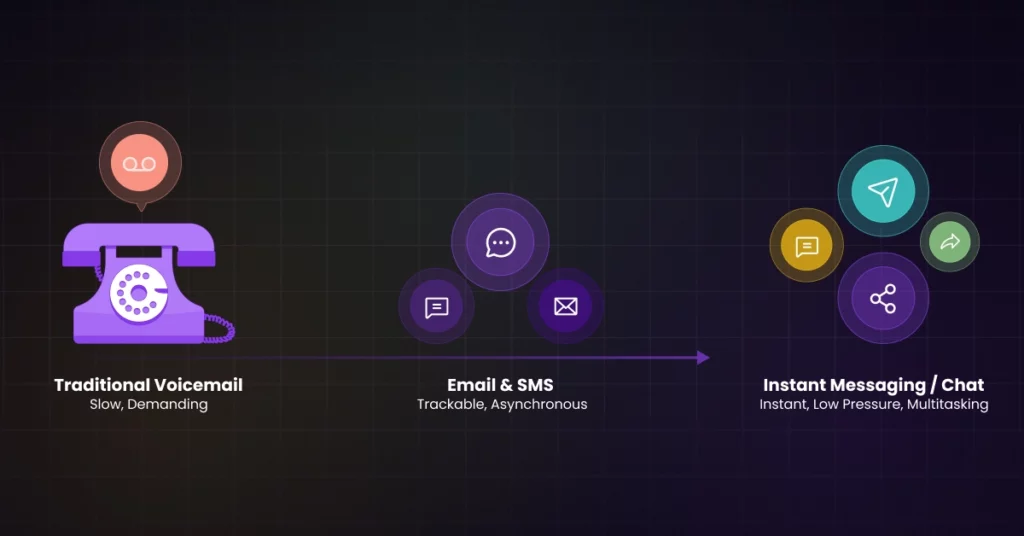
Overall, communication habits have dramatically shifted toward faster, low-pressure, and text-based channels. This move towards asynchronous communication allows people to respond on their own time, making voicemail feel outdated and demanding. This change in communication preferences is driven by cultural shifts and technological advancements that prioritize instant information and convenience for the user.
Rise of Texting and Instant Messaging
The younger generations, Millennials and Gen Z, overwhelmingly prefer texting over calling. This preference is rooted in speed, ease, low pressure, and the ability to multitask. Quick instant messaging apps and SMS reduce the need to leave long voice messages. A text can convey the purpose of the call instantly (“Need to talk about the project deadline”), whereas a voicemail requires several minutes of engagement. This reliance on text-based communication is the single biggest contributor to the decline of voicemail. For businesses, adapting means leveraging SMS or similar text platforms effectively. The shift from voice to text messaging is undeniable.
Social Media DMs & App-Based Communication
The rise of social media messaging platforms has further fragmented traditional voice communication. Apps like WhatsApp, Instagram, and Messenger have replaced voicemail for casual or personal communication because they’re instant, convenient, and integrate seamlessly with photos, videos, and groups. Furthermore, the ability to send short, direct voice notes inside these messaging apps gives users the personal touch of voice without the hassle of navigating a traditional voicemail system. This shift means personal communication rarely travels through the phone network’s traditional voice channels anymore.
Email/SMS for Business Communication
Businesses now rely heavily on email communication and SMS for updates, confirmations, reminders, and customer communication. These channels are faster, easier to track, and provide a searchable, written record. Email/SMS offers clear advantages for efficiency and compliance. Tools like VoiceDrop’s ringless voicemail fit into this modern communication mix. They deliver messages non-intrusively when a voice format is needed for urgency or a human touch, such as internal team updates. They acknowledge the decline of voicemail while providing a necessary voice connection.
Why People Avoid Leaving Voicemails
The decline of voicemail is not just about alternative channels. It is also about the psychological and practical burden it places on the caller. People actively avoid leaving voicemails because of these inherent inefficiencies and anxieties. These behaviors connect directly to modern communication expectations.
Takes Too Long
The traditional voicemail process is a time sink. It requires waiting for the recorded greeting, waiting for the beep, composing and recording the message, and then often navigating a menu to confirm or re-record. This entire workflow feels slow and outdated compared to texting or messaging apps that take mere seconds. People today prefer communication methods that deliver high efficiency.
Fear of Rambling or Sounding Awkward
Many callers experience self-consciousness when leaving a voicemail. They worry about their voice, tone, or ability to deliver a clear, concise message under pressure. This discomfort often makes people avoid voicemails in favor of more controlled, editable channels like text or email. They prefer to convey complex information in a less performative manner.
Unsure If Anyone Listens Anymore
Low voicemail response rates create a cycle of avoidance. If a caller is unsure if their message will be heard, especially given the widespread decline of voicemail, they are less motivated to leave one. This inbox overflow and declining checking habits reinforce the caller’s decision to avoid the effort. They opt for channels with reliable “read receipts.”
People Expect Instant Replies
Modern communication has created an expectation of real-time interaction. This reliance on quick responses and instant chat makes voicemail feel slow and inefficient. When a caller needs a fast answer, leaving a voicemail feels like sending a message into a black hole. They choose channels where they can receive confirmation within minutes, not hours.
Why People Don’t Check Voicemail
The biggest indicator of the decline of voicemail is the corresponding decline in checking habits. Users have been trained by technology and poor call practices to ignore their voicemail inboxes.
Overwhelmed by Spam Calls
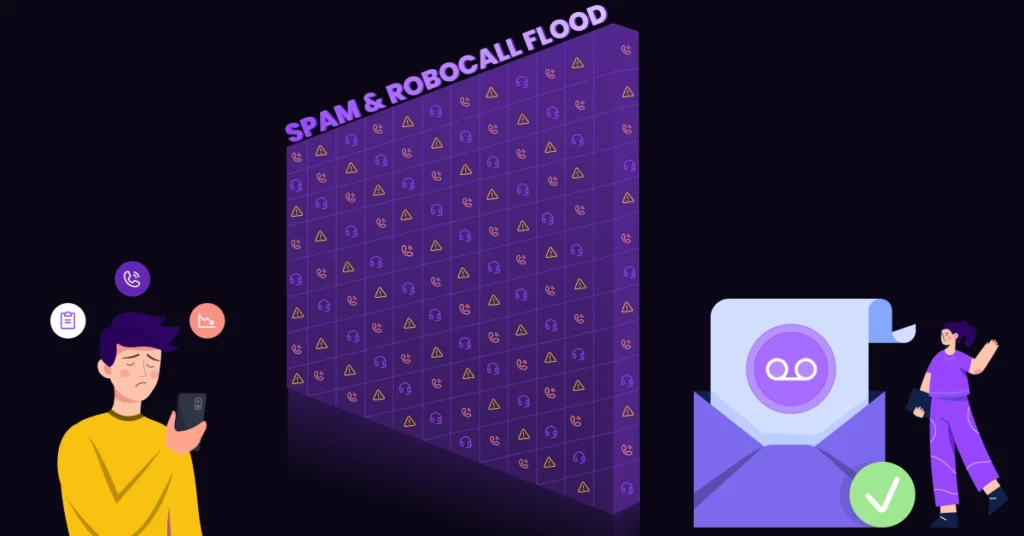
The sheer volume of robocalls and spam calls has flooded voicemail inboxes. This constant barrage of unwanted messages makes users less motivated to check messages. This frustration has effectively trained people to distrust voicemail, leading them to rely exclusively on alternative communication channels. Users assume any new voicemail is likely junk, and they simply delete the notification without listening.
Visual Voicemail Replaced Audio
Smartphones introduced visual voicemail, allowing users to skim a text transcription of the message without listening to the audio. This shift allows users to instantly determine if a message is important, reducing their patience for long or low-priority audio messages. If the transcription is unclear or lengthy, the user skips it. This makes traditional recorded voicemails feel outdated and unnecessary.
Time & Convenience Factors
Listening to voicemails is inherently slower than reading a text or email. Voicemail requires users to dedicate attention, dial in, navigate menus, and listen sequentially; all factors that lead users to skip it when busy. This inconvenience is a primary reason for the decline of voicemail. People prioritize speed, leading them to avoid the multi-step process required by the traditional voicemail system.
Business Factors: Why Customers Don’t Leave Voicemails
Customer service and sales expectations have radically shifted away from traditional phone systems. Modern customers demand immediate, interactive support, making the traditional phone tree and full voicemail box obsolete for customer service.
Customers Expect Live Chat
The ubiquity of 24/7 chat options, whether human or AI-driven, means customers prefer real-time responses over waiting for a callback. Voicemail feels slow and outdated compared to the instant clarity and convenience of live chat support. Customers choose chat because it solves their problem immediately, minimizing downtime.
Callback Forms & Scheduling Tools
Online callback forms, scheduling tools, and booking widgets offer structured, guaranteed follow-ups. Customers trust these tools more than a voicemail because they provide an immediate confirmation and clear time expectations for contact. They know precisely when the business will reach out, which builds confidence and reduces the need for the customer to chase the business.
People Want Immediate Confirmation
Customers avoid voicemails because they lack assurance. They don’t know if or when their message will be heard, processed, or acted upon. Digital tools, conversely, give instant reassurance through email confirmations, automated reply tickets, or scheduled callback alerts. This need for immediate feedback is incompatible with the asynchronous communication model of voicemail.
The Evolution of Voicemail Technology
Voicemail is not stagnant; it is evolving rapidly in response to the decline of voicemail. These technological shifts are key reasons why both individuals and businesses no longer rely on old voicemail habits.
Visual Voicemail
Visual voicemail simplifies message management by showing caller information, timestamps, and transcripts at a glance. This convenience has revolutionized how messages are consumed. Users no longer need to dial into the voicemail system. They can prioritize which message to listen to or read first. This technological advance is a key factor in the erosion of traditional audio-only voicemail as seen in various platforms.
Voicemail-to-Text
Voicemail-to-text (transcription technology) helps users quickly read messages and prioritize responses. This feature is particularly valuable when users are in meetings or loud environments. However, this convenience also makes lengthy or unclear voice recordings less appealing, as users can quickly detect and discard low-value messages without listening. The rise of voice-to-text confirms the general preference for text-based communication for speed.
AI Voice Tools
Emerging tools, such as AI voicemail assistants and smart call screening, further shape future communication habits. These innovations, which include AI voice cloning and automated responses, reduce the need for traditional voicemail by handling the initial call or generating personalized messages. Platforms like VoiceDrop.ai use AI voice cloning to create personalized, high-quality audio messages for mass outreach.
Modern Alternatives to Leaving Voicemails
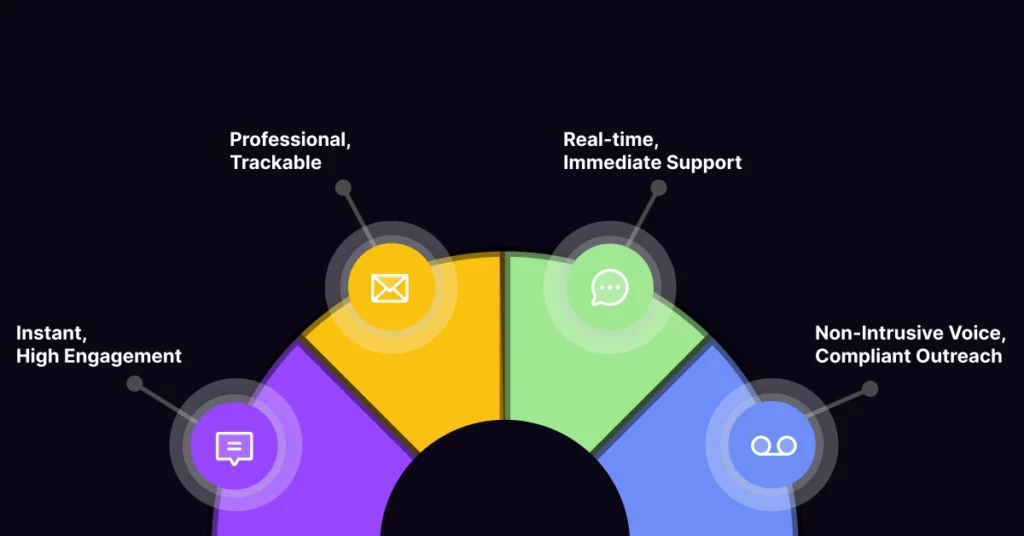
Businesses must move away from relying on traditional voicemail. These modern outreach alternatives offer efficiency, compliance, and a better customer experience.
Text Messaging
Text messaging has become the universally preferred communication method across generations due to speed, ease, and low effort. Businesses increasingly rely on SMS for confirmations, reminders, and support. It is the most accessible form of asynchronous communication.
Email communication offers key advantages: searchable documentation, professionalism, and reliability for complex or official messages. It has replaced voicemail for messages requiring a written trail or external links, which customers now expect for confirmation.
Business Chat Tools
Platforms like Intercom, Zendesk, and WhatsApp Business are reshaping customer support. These tools offer instant replies, automation, and multi-agent availability, drastically reducing voicemail usage. They are the modern answer to immediate live chat support.
Ringless Voicemail
Ringless voicemail (RVM) drops messages directly into voicemail inboxes without ringing the phone. Businesses adopt it as a compliant, non-intrusive marketing and notification method when a voice connection is desired. RVM is one of the most effective business outreach tools for the modern era. Ringless voicemail for marketing acknowledges the shift away from intrusive calls.
Future of Voicemail: What to Expect
Voicemail will not disappear entirely, but it will continue evolving with AI, automation, and integrated communication tools. The future involves shifting from traditional audio messages to smarter, faster, and more convenient formats. Expect to see AI seamlessly managing your inbox, transcribing messages with perfect accuracy, and even responding to simple queries automatically. Voicemail will become a background utility, fully integrated with CRMs and marketing platforms. This future ensures business outreach tools no longer rely on outdated calling practices but leverage automation for maximum efficiency.
Conclusion
The answer to Why Don’t People Leave Voicemails Anymore? lies in two simple truths: convenience and speed. The decline of voicemail is driven by the rise of instant messaging apps, SMS, and social media messaging, all of which prioritize quick, low-effort communication. Traditional voicemail is simply too slow, too high-pressure, and too prone to robocalls and spam.
Businesses must adapt their business outreach tools. The solution is to embrace modern outreach alternatives like SMS, live chat support, and the non-intrusive power of ringless voicemail. VoiceDrop.ai offers a platform that provides ringless voicemail for businesses, ensuring your important voice messages are delivered and heard legally and efficiently. Adopt these modern methods to maintain customer trust and engagement.
Ready to stop gambling on outdated voicemails and start reaching your customers where they actually listen?
Click here to schedule a demo and see how VoiceDrop’s ringless voicemail can modernize your business outreach.
FAQ’s
1. Why don’t people leave voicemails anymore?
Voicemail is slower and less convenient than texting, email, and chat. People prefer instant asynchronous communication that allows multitasking and quicker responses.
2. Is voicemail still useful for businesses?
Traditional voicemail is declining, but businesses can still use ringless voicemail for businesses via VoiceDrop for non-intrusive outreach and reliable message delivery.
3. Are younger generations abandoning voicemail entirely?
Yes, Millennials and Gen Z largely prefer texting, instant messaging apps, and email, making voicemail mostly obsolete for personal communication preferences.
4. What modern alternatives exist for voicemail?
SMS/text messaging, email communication, live chat support, callback forms, scheduling tools, and ringless voicemail are the most effective modern outreach alternatives today.
5. How has voicemail technology evolved?
Visual voicemail, voicemail-to-text, and AI Voice Tools have changed how messages are delivered and consumed, reducing reliance on traditional audio voicemail usage trends.