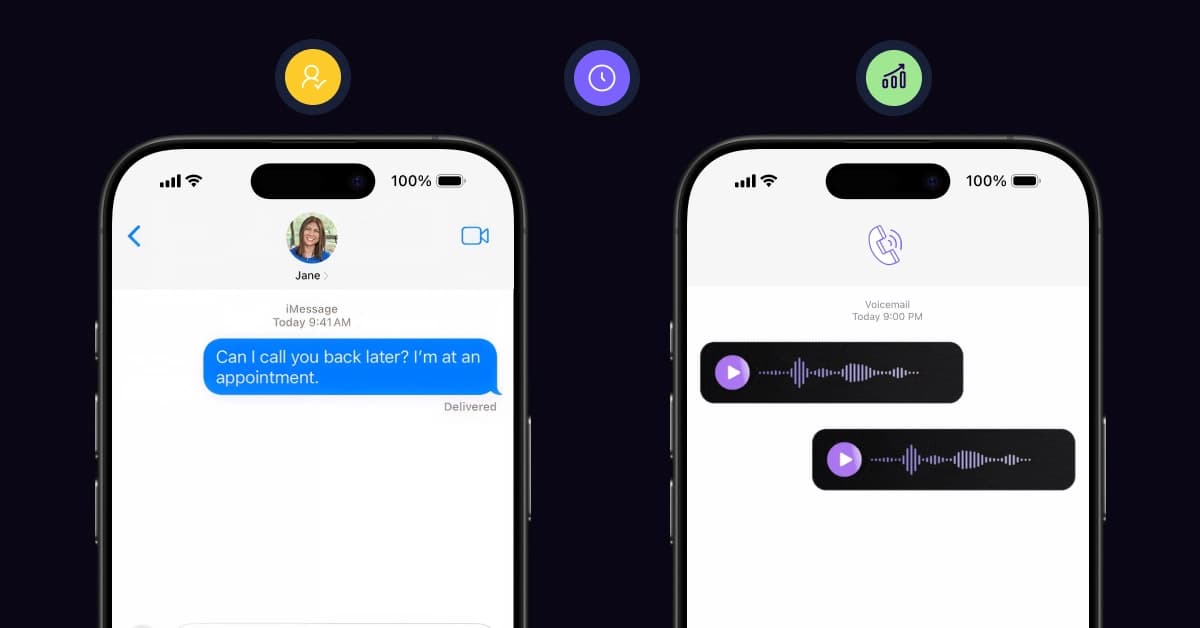
Definitive comparison of voice messaging vs text messaging conversion rates for sales outreach in 2025.
Sales teams in 2025 are searching for new ways to boost their outreach results. Standard SMS campaigns face crowding, making it tough for brands to grab attention. Many teams are frustrated by low response rates after sending message after message. For those wanting more human touch in prospecting, plenty of others share the same challenge.
Companies now seek tools that are both personal, scalable, and follow compliance rules. VoiceDrop’s AI-powered ringless voicemail is one tool that stands out.
Let’s look at text vs voice message response rates, break down each approach, and show how sales communication channels like VoiceDrop can help teams grow leads and close more deals by mixing automation with real connection.
What Is Voice Messaging in Sales Outreach?
Voice messaging for sales uses pre-recorded or AI-created audio messages to reach prospects or customers. This method helps build a warmer connection than basic text. The sound of a real or AI human voice creates trust that’s hard to find with a written note.
Ringless voicemail technology is one of the most advanced types of voice message software out there. With this, sales teams can drop targeted messages straight into voicemail inboxes, never triggering a ring or disruption. This makes campaigns smooth, compliant, and easy to scale up.
Text Messaging for Sales: Still Effective in 2025?
Text messaging for sales includes SMS and MMS. It’s been a popular way for sending offers, reminders, and updates because texts get opened quickly. But by 2025, SMS faces new issues: more brands use it, so there’s less chance individual messages get noticed.
While fast and easy, text has its limits. Written messages lack emotion and feel generic, especially with strict character limits. And as rules around texting get tougher, teams need customer engagement tools with deeper impact. VoiceDrop’s ringless voicemails help bridge this gap, letting teams have one-to-one moments at scale.
The Core Difference Between Voice Messaging and Text Messaging
Text and voice take different routes to reach people. Each has strengths, but their main differences are in delivery, engagement, and how personal they feel. In 2025, sales teams have a choice. Do they want the speed of text, or the deeper connection and higher returns that voice messaging can bring through platforms like VoiceDrop?
Delivery and User Experience
Texts land on phones right away. Ringless voicemails are delivered directly to voicemail inboxes, allowing recipients to hear them at their convenience. This less disruptive approach gives contacts control and can lead to better user experiences. VoiceDrop’s system delivers messages without interruptions or pressure. People reply when it fits their schedule.
Personalization and Emotional Effect
A familiar or friendly voice helps build trust. This emotional impact is hard to create with plain text. VoiceDrop utilizes AI voice cloning, ensuring every voicemail sounds natural, personal, and sincere, even at a large scale. Strong personalization can boost the results of outreach. Sales teams using voice message software stand out and get more callbacks.
Engagement and Conversion Rate Optimization
People are more likely to call back or respond to a voice message than a text due to the personal touch. The emotional connection created by hearing a voice can prompt recipients to take action, whether that means returning a call, scheduling a meeting, or making a purchase.
Voice messages produce more replies and call-backs than standard texts. In 2025, as audiences get more SMS than ever, many tune them out. Voice is fresh. It lets brands cut through the noise and make each contact feel important.
Voice Messaging Response Rates in 2025
Voice messaging boasts higher callback rates, better engagement, and stronger lead nurturing. For instance, a typical benchmark for favorable ringless voicemail response rates is 10–15%. However, some campaigns, particularly those with warm contacts or strong personalization, have reported rates as high as 22% or even 35%.
Recent data shows voice messaging for sales can close more deals and engagement rates than many traditional channels. More call-backs and better lead nurturing mean teams can keep deals moving.
Ringless voicemail, powered by AI, proves especially strong. VoiceDrop’s approach delivers personalization, high efficiency, and non-intrusive messages, which naturally help conversion rate optimization.
Text Messaging Conversion Rates in 2025
Industry benchmarks suggest text message response rates are steady for basic needs like reminders and short offers. SMS messages are read almost instantly, with a nearly 98% open rate compared to 20% for email. This ensures your message is seen and considered immediately.
Still, the limits show: SMS is losing its edge due to spam and message fatigue. New rules add challenges, and lack of true emotional connection keeps response rates from growing. Many teams now prefer AI-driven voice message software for richer, more effective outreach.
Cost and Scalability Comparison: Voice vs. Text Messaging
SMS usually costs less per message but may need larger volumes to see big returns. Ringless voicemail tends to return a higher ROI per recipient, thanks to better engagement and higher conversion rates.
It’s not just about cost, though. Scalability matters too. SMS is easy to send en masse but can lose its human element fast. VoiceDrop offers scalable voice message campaigns that keep each message unique and personal.
Pros and Cons of Voice Messaging in Sales
Look at the pros and cons of voicemail for sale campaigning and marketing.
Advantages
Voice messaging offers several advantages, including:
- Personal and tailored: Each message matches the recipient better.
- Builds warmth: Voices create trust and human connection.
- Higher reply rates: Voice messages stand out.
- Clear differentiation: Cuts through SMS clutter.
VoiceDrop lets teams send thousands of personal messages quickly, without interrupting recipients.
Limitations
Despite its strengths, voice messaging has limitations:
- Not instant for promotions: Takes longer to listen than reading a text.
- Perceived time: Some people may feel listening is a bigger commitment.
VoiceDrop helps reduce these drawbacks with AI tech, compliance features, and rapid sending tools.
Benefits and Downsides of Text Messaging in Sales
Look at the pros and cons of text messages for sales campaigning and marketing, and compare them to voicemail for a better understanding.
Strengths
- Affordable: SMS is inexpensive per message.
- High open rate: Most texts get seen quickly.
- Fast delivery: Messages go out and reach people in seconds.
- Simple automation: Easy to add to marketing campaigns.
SMS works well for quick CTAs, reminders, and big B2C pushes.
Weaknesses
- Message overload: Users get more texts, reducing attention.
- Short messages: Limited space to share details.
- No emotion: Texts can’t match the authenticity of a voice.
- Tougher compliance: More laws add hurdles for SMS.
These downsides mean more sales teams seek voice messaging for sales to improve connection and win more deals. VoiceDrop fills this need, offering higher engagement and compliance.
Hybrid Approach: Combining Voice & Text for Maximum Conversions
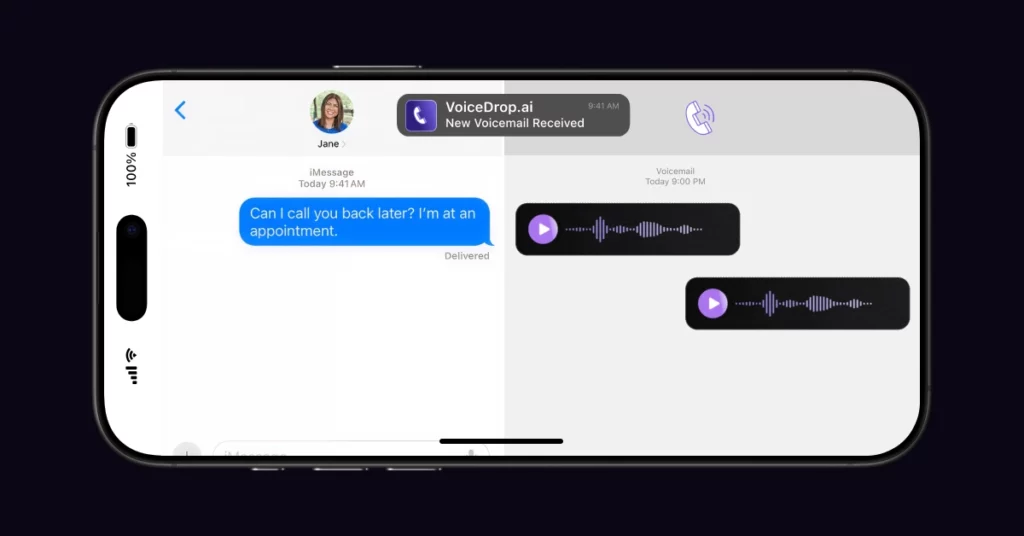
Combining both channels works best for most teams. A text reminder followed by a personal voicemail builds trust and encourages response. For example, sending a quick text reminder followed by a personalized voicemail can build trust and increase callback rates. This multichannel approach allows businesses to leverage the strengths of both methods, ensuring that they reach their audience effectively.
VoiceDrop fits easily into a multi-level marketing, pairing the scale of SMS with the authenticity of voice. It allows businesses to scale voice outreach while complementing SMS campaigns. This hybrid approach can lead to more effective communication and higher conversion rates.
Choosing the Best Fit for Your Sales Outreach
To sum up, voice messaging for sales offers strong personalization and better conversion rates, while text messaging for sales delivers speed and prompt reminders. The right choice depends on your goals, your audience, and the style of your campaign.
If you want to stand out, get more call-backs, and bring a personal touch to every message, VoiceDrop’s AI-powered voice message software has you covered. Make 2025 your best sales year yet.
Ready to boost your results? Book a demo and see how VoiceDrop can take your outreach to a higher level.