
Implement a volunteer recruitment communication plan that consistently attracts committed, qualified volunteers to your cause.
Are you having a problem locating passionate volunteers? Does your marketing seem like screaming in the dark? Any nonprofit organization will be aware that volunteers are the blood and bones of their cause. Effective volunteer recruitment is not a matter of chance. It’s about strategy. The communication plan includes a structured way of attracting, engaging, and retaining volunteers. Effective communication gets to the correct individuals. Timing strategies are the best strategy to maximize response.
With us, create a volunteer recruitment communication plan, one that would work. Recognize your perfect volunteers, write messages that can motivate people to act, and apply technology to reach many more.
Whether you are creating a recruiting program to fill a position in a one-time event or creating a sustainable volunteer program, the following volunteer recruitment communication strategies will assist you in recruiting individuals passionate about your cause and willing to contribute.
Understanding Your Target Volunteer Audience
The first step is to define the key volunteer groups in your community. Students usually desire skill-building opportunities and networking. They react to the messages regarding career development and making a difference. Professionals in the workplace place great importance on flexibility and influence. They desire to have their time spent in a good way. Retirees will come with experience and commitment. They seek out social interaction and purposeful means of service. Local pride or personal relationships may encourage the members of the community to support your cause.
After knowing your audience, customize your messages. Develop volunteer personas for your key segments. Provide them with names, backgrounds, and certain motivations. This practice will keep your group in touch with actual people.
Setting Clear Goals for Volunteer Recruitment
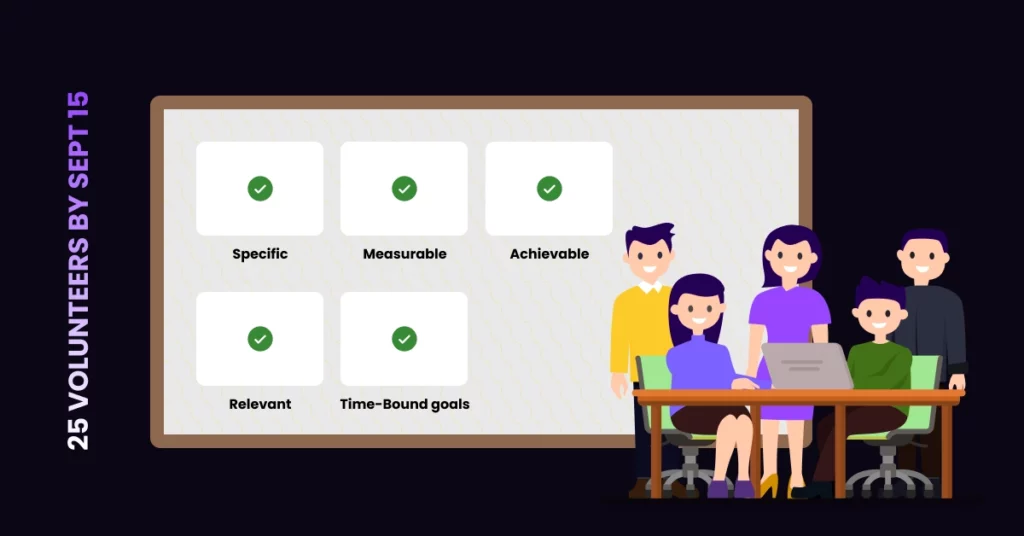
The key to a successful recruitment approach is to have a set of specific, quantifiable goals that will shape all the decisions of your communication plan. SMART goals make wishful thinking become a reality.
For instance, rather than recruit more volunteers, recruit 25 new volunteers for to fall fundraising event by September 15. This is a Specific (25 volunteers), Measurable (you can count them), Achievable (based on the previous results), Relevant (correlated to a particular need), and Time-Bound (clear deadline) goal.
The various campaigns require varying objectives. A disaster relief operation may be based on the recruitment of hundreds of volunteers in a few days. The mentorship program could target 10 well-qualified volunteers in a number of months. The objectives that you set should be based on your requirements as well as your ability to recruit and retain volunteers.
Monitor the progress using the SMART model. Divide big objectives into milestones. In the case of 100 volunteers in a big event, establish weekly goals. Goals are also useful in measuring ROI. Divide the cost of the volunteers obtained in various ways. Volunteer retention rates of volunteers recruited through each method. Such information supports the future campaigns and makes sense in investing in the recruitment tools and strategies.
Key Elements of an Effective Communication Plan
Four fundamental components make random outreach a systematic recruitment strategy. It includes messaging structure, timing, communication medium, and personalization.
Your communication structure will guarantee uniformity throughout touchpoints. Develop message templates in every case- first outreach, follow-ups, event reminders, and thank you notes. Stability creates credibility and strengthens your brand.
Recruitment can be or cannot be, depending on timing. Send messages at the best time when your audience might be interested in them. The personal messages can be checked by professionals in the evening. Have outreach at least a month in advance of when you require volunteers.
The choice of channels will decide who will hear your message. Email is used for detailed information. Awareness is created through social media. SMS induces urgency. Ringless voicemail adds a personal touch at scale.
Personalization makes generic broadcasts seem like conversations. The automated messages can become personal in the appropriate manner by splitting up lists and target content.
Choosing the Right Communication Channels for Volunteer Outreach
Your communication can be as good as your method of delivery. Each channel has its purpose in the fund of recruitment, and the most intelligent organizations combine multiple of them to ensure the highest coverage and interest.
The use of email is the foundation of communication between volunteers. It is best used in updates with detail, event promotion, and fostering long-term relationships.
Social media creates awareness and builds community. Facebook groups unite local volunteers; Instagram demonstrates your difference in action with images; LinkedIn targets professionals. Organic traffic is, however, limited, and paid advertisements might be expensive. Social media is effective in creating interest rather than commitments.
Text messaging causes a sense of urgency and induces action. Response rates are good, but there are very small characters that restrict the message. Use text messages for reminders, quick updates, and guide people to more comprehensive material.
Ringless voicemail is unique in the recruitment of volunteers. The ringless voicemail technology sends individualized voice messages directly to the phone of a volunteer, enabling the volunteer to listen at their own free time. When a human voice tells you your mission and needs, it increases the level of engagement compared to email and text. Go to hundreds of contacts, yet still sound authentic.
Crafting Messages That Inspire Volunteers to Take Action
Effective volunteer recruitment messages tap into emotions and purpose. Use a storytelling approach to transform abstract needs into tangible human moments that resonate deeply. Layer in urgency without manipulation by highlighting real deadlines and consequences. Balance the emotional appeal with practical clarity about expectations, time commitments, and the specific difference each volunteer makes. When people understand both the ‘why’ and the ‘how’ of volunteering, they’re more likely to move from consideration to commitment.
The most compelling volunteer messages make the reader the hero of the story, not your organization. Use active, empowering language and include specific calls-to-action that provide direct registration links, offer multiple contact methods, and clearly state the next steps. Remember to vary your message angles across different communications. This multi-faceted approach ensures your messages resonate with volunteers driven by different motivations, whether they seek social connection, professional growth, or the simple joy of making a difference.
Volunteer Recruitment Communication Timeline
Timing is important in the recruitment of volunteers. A properly constructed schedule will maintain a constant level of involvement without overloading the audience. Create awareness and build interest before the actual drive.
Publicize the recruitment 34 weeks before the time when you require volunteers. Share the first contact by various means: the ringless voicemail campaign is the first step, then proceed with more detailed emails and posts on social media. Send space messages with intervals of 3-4 days to maintain the momentum, which do not irritate recipients.
In an active recruitment, frequency should be boosted strategically. Send reminder messages to non-respondents after one week. Post news about enrollment counts to give social validation. After recruitment is over, gather all sign-ups, make logistics and training arrangements, and create hype about the volunteer experience.
Leveraging Technology to Scale Volunteer Recruitment

Technology is a great way to increase your efforts. The appropriate tools can enable small teams to undertake recruitment programs that would have once necessitated whole departments.
CRM systems change your approach to the monitoring of volunteer relations. Rather than utilizing spreadsheets and sticky notes, you will have a central spot for all volunteer information. Track those who show interest, those who commit, those who require follow-up. Split up lists by interests, availability, or abilities. Combine your CRM with a communication instrument to send automatic messages when volunteers make a move.
The automation platforms are used to process repetitive work and make messages personal. Establish drip programs where potential volunteers are nurtured in the long term. Design processes to deliver various messages depending on the levels of engagement. Automation is used to make sure that there are no issues and free up your team to deal with high-touch interactions.
The ringless voicemail software has the potential to transform scalable outreach through its ringless voicemail technology. Record a single emotional message and send it to hundreds of other potential volunteers simultaneously. You can initiate voicemail drops based on some criteria: new newsletter subscribers will be welcomed, and the attendees of the events will be offered to volunteer.
Best Practices for Engaging and Retaining Volunteers
The practical issue is to retain the volunteers and motivate them, and bring them back. Develop numerous value propositions to recognize volunteer work: social media public shout-outs, mail or e-mail a note of thanks to the leader, volunteer spotlights in newsletters, and year-end appreciation events.
Little, frequent appreciation may be more effective than big ones. Take notice of the small details: compliment a volunteer who is always early, congratulate a volunteer who has been mentored.
Create a community among your volunteers and invest in the growth of volunteers. Provide training outside of job accomplishment: leadership training, skill development, career development programs. Demonstrate to volunteers the value of service as a source of transferable skills.
Common Mistakes to Avoid in Volunteer Communication
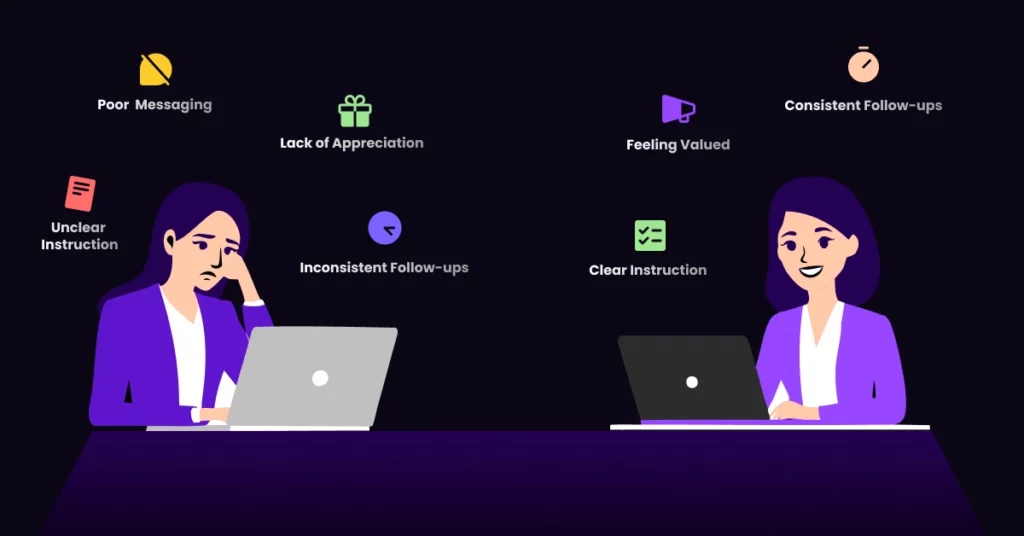
The process of recruiting volunteers is very exhilarating. Bad communication may scare their potential away or make them feel not appreciated. Early recognition of these pitfalls is one way of working towards stronger relationships and maintaining your team spirit.
Overloading Volunteers with Messages
Several emails, texts, or calls bombarding potential volunteers promote the feeling of spam and force people away quickly. They are crushed and believe that your cause is excessive in time. Instead, space your contact. A personal invitation followed by a polite prompt after one week, and leave more serious solicitation to later. It is better to be concise and have a few well-considered messages.
Being Too Generic or Transactional
Using the equivalent of cookie-cutter emails to volunteers. Adjust your speech to their abilities or previous engagement, such as how their teaching experience would make your literacy program brighter. Forget the attitude of what can we do to you, and tell stories of impact.
Failing to Follow Up or Show Appreciation
The practice of ghosting volunteers or not sending thank-yous is a killer. Lack of follow-up implies lack of opportunities to foster relationships. Stay in touch with feedback on your work assistance. This makes one-timers regulars and good word of mouth.
Solutions for More Authentic Outreach
Lean towards authentic and human-based communication that fosters actual connections. Get to know the motivation of your volunteers. Ask them why they volunteer, use a survey, or a chat to identify their motivation. Write something that addresses their interests. Always ensure that you finish with a definite, low-pressure request and a thank-you.
Final Thoughts on Effective Volunteer Recruitment Communication
Your volunteers are the heartbeat of your mission. They deserve communication that respects their time, acknowledges their contribution, and makes them feel part of something meaningful. When you get this right, recruitment becomes easier. Current volunteers become your best recruiters.Ready to transform your volunteer recruitment with authentic, scalable communication? See how VoiceDrop’s ringless voicemail technology can help you reach more volunteers. Schedule your demo today. Discover why leading nonprofits trust VoiceDrop to power their volunteer outreach. Your next great volunteer is just a voicemail away.