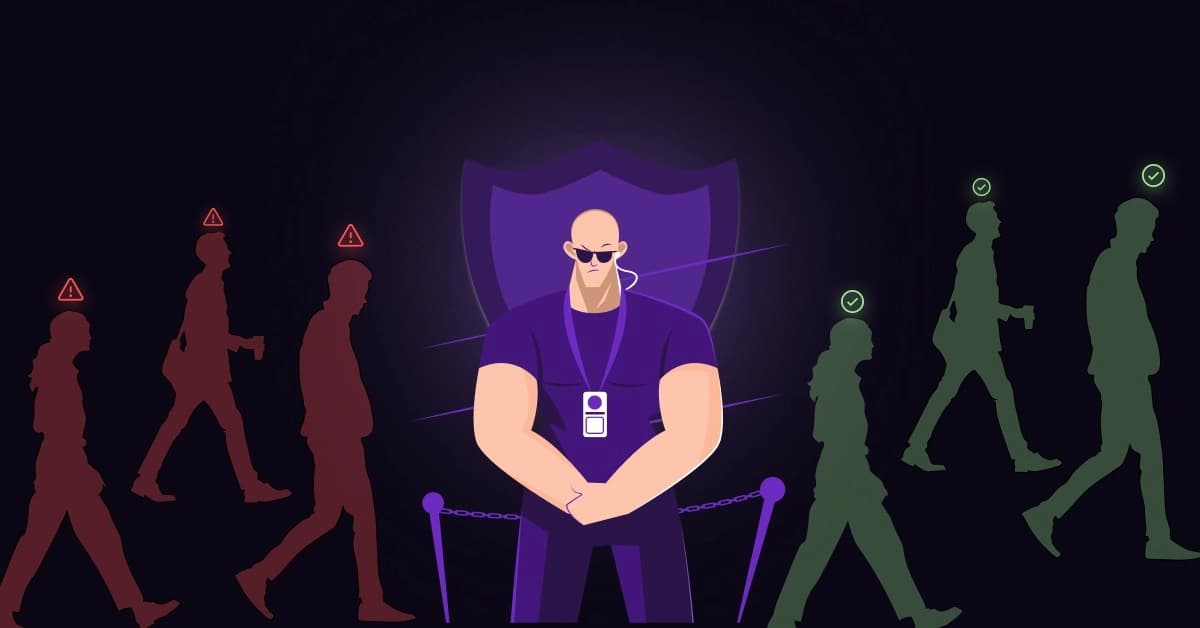
The modern bank robbery has no masks, no guns, and no getaway drivers. It is a “Silent Heist.”
Fraudsters don’t kick down your doors; they use automated scripts to slip silently through the cracks of your infrastructure. Traditional firewalls are designed to stop unauthorized access.
They are useless against the modern criminal who logs in with valid credentials stolen, bought, or faked. This is “authorized access with malicious intent.”
The Scale of the Problem: You have thousands of incoming connections every minute. A standard analytics dashboard treats them all the same. It shows you traffic, not intent.
You are essentially operating a digital emergency room without a triage nurse, unable to distinguish between a healthy patient (a paying customer) and a carrier of a virus (a botnet or credential stuffer).
This blindness is expensive. To filter the signal from the noise, you need an IP Intelligence Service. It acts as your diagnostic X-ray, scanning every packet in milliseconds to identify malicious intent before it touches your database.
In 2026, knowing where a user is (Geolocation) is not enough. To protect your revenue, you must know who they are.
What is IP Intelligence? (Beyond Basic Geolocation)
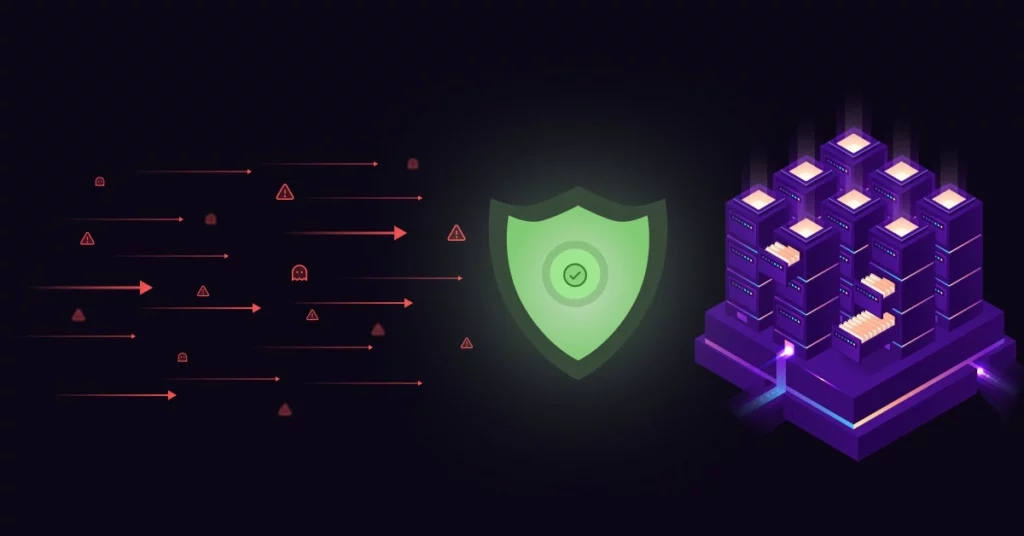
It is crucial to stop confusing “IP Lookup” with “IP Intelligence.” They are not the same tool.
- Standard IP Lookup: Tells you a user is in “Paris, France.” It stops there.
- IP Intelligence: Tells you the user is in Paris, but is connecting via a DigitalOcean server (hosting provider), is using a Tor exit node, and has a history of spamming registration forms on three other retail sites in the last hour.
The Difference Between Location and Intelligence Standard geolocation is a map; IP intelligence is a background check. It enriches raw data with context, analyzing three critical pillars:
- Reputation: Is this IP on global blacklists (e.g., Spamhaus)?
- Velocity: Is the IP making 50 requests per second (Humanly impossible)?
- Anonymity: Is the user hiding behind a VPN, Proxy, or Tor node?
It answers the single most critical question in security: “Is this request coming from a human customer or a programmed bot?”
The Mechanics of Risk Scoring: The 0-100 Scale
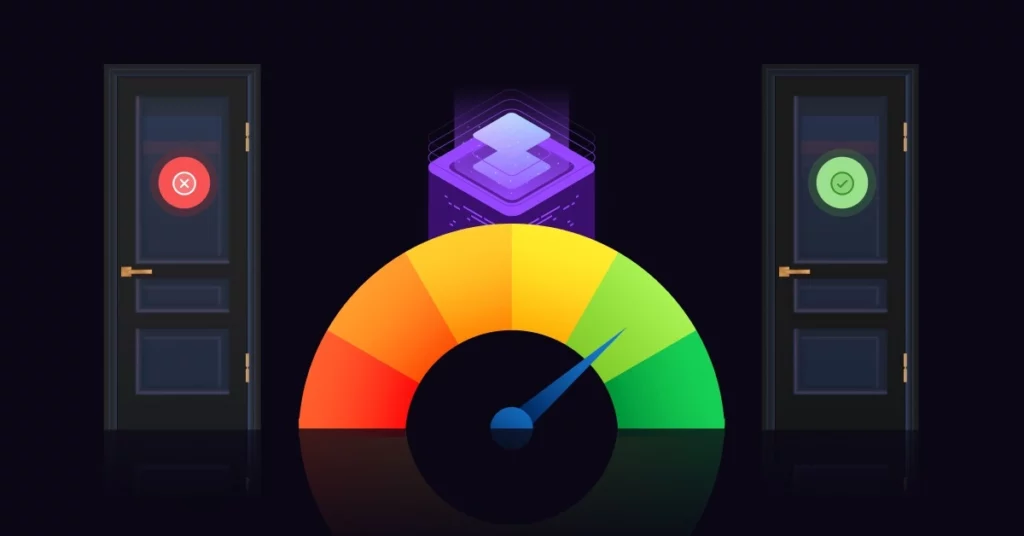
Security teams don’t have time to analyze raw logs for every visitor. When you are processing thousands of transactions, you need a single, actionable metric.
This is the “Risk Score” (0–100). It is a dynamic value calculated in real-time that allows your backend to execute automated logic rules in milliseconds.
How the Score is Calculated
The engine queries real-time threat intelligence feeds to retrieve the “criminal record” of an IP address.
- Score 0-20 (Low Risk): Genuine Residential (ISP) or Mobile Data (CGNAT).
- The Signal: The connection comes from a known ISP like Verizon, AT&T, or British Telecom.
- Action: Allow. Provide a frictionless “one-click” experience.
- Score 21-79 (Grey Area): Suspicious behavior or inconclusive data.
- The Signal: The user might be using a corporate VPN, or the IP has a low-volume history of spam.
- Action: Challenge. Trigger 2FA or a verification step (see “Dynamic Friction” below).
- Score 80-100 (Critical Risk): Known Botnet, Tor Exit Node, or Open Proxy.
- The Signal: The connection originates from a hosting center (like AWS or Linode), which should never browse a retail site.
- Action: Block immediately.
Suspect a specific user? Don’t guess. Run their IP or email through 1Lookup right now to see their fraud score and hidden background details.
The Core Threats: What Does IP Intelligence Detect?
Fraudsters rarely use their own internet connections. To bypass basic filters, they use “masks” to hide their identity-an advanced IP intelligence service strips away these masks to reveal the threat underneath.
1. Unmasking Anonymizers: VPNs, Proxies, and Tor
90% of cyberattacks begin with a mask. However, blunt blocking doesn’t work. Blocking all VPNs means blocking legitimate corporate employees who use VPNs for company security.
A high-quality IP intelligence tool distinguishes between:
- Corporate VPNs (Low Risk): Used by businesses. These are generally safe.
- Residential Proxies (High Risk): The fraudster’s weapon of choice. These routes traffic through innocent home Wi-Fi networks to bypass geo-blocks and mimic real users.
How it works: By analyzing the ASN (Autonomous System Number) and Connection Type, the tool spots the difference between a Verizon Fios connection (Residential) and a suspicious proxy tunnel (Datacenter/Hosting).
For a deeper understanding of how these scripts operate, you can review the OWASP guide on automated bot threats.
2. The “Midnight Spike” (Registration Fraud)
- The Threat: Automated botnets target your sign-up forms, creating thousands of fake accounts. They do this to abuse welcome bonuses, poison your marketing database, or prepare for future spam attacks.
- The Fix: The tool detects that these sign-ups originate from Datacenter IPs rather than residential ISPs. It blocks the registration API call instantly, preventing the fake accounts from ever being created.
3. The “Carding” Attack (Checkout Security)
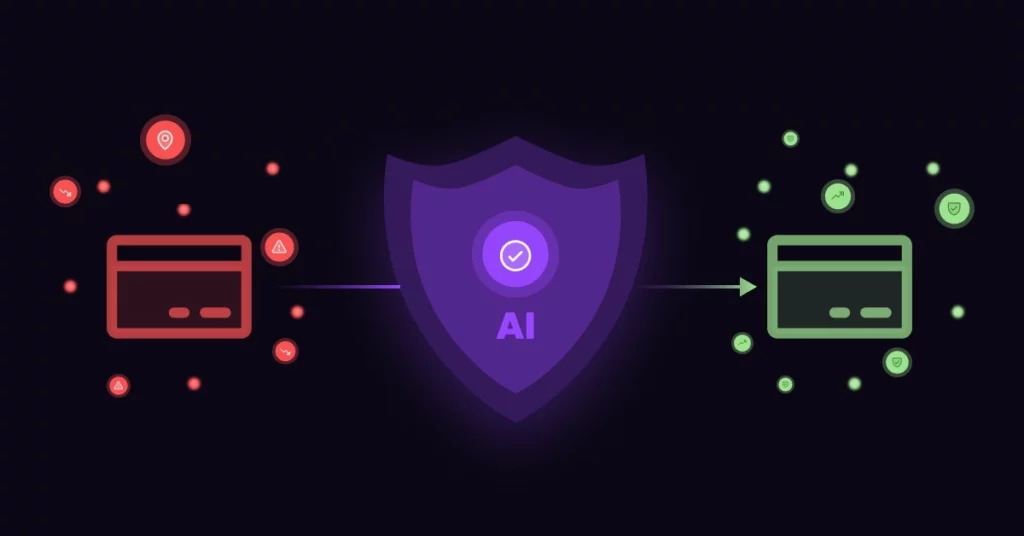
- The Threat: Fraudsters use automated scripts to test thousands of stolen credit card numbers on your payment gateway.
- The Fix: If an IP from a high-risk country attempts to use a US-based card while hiding behind an anonymizer, the tool flags it.
- The Financial Impact: Stopping carding is essential for preventing chargebacks. When a fraudster wins, you lose three times: you lose the product, you lose the revenue, and you pay a penalty fee to the payment processor.
4. Stopping Account Takeover (ATO)
“Credential Stuffing” is a common attack where hackers buy lists of leaked usernames and passwords and use bots to try them on thousands of websites.
- The Fix: IP intelligence tracks the reputation of IPs across a global network. If an IP has failed login attempts across multiple other websites recently, the service flags it as a “brute force” attacker. This insight is crucial for effectively preventing account takeover and securing user data.
Diagnostic Steps: How to Implement IP Risk Detection
Implementing this security layer is not just about installing software; it is about setting up a triage system. Follow these diagnostic steps to filter the signal from the noise:
Step 1: Audit Your Traffic & Choose a Method
Before you block anything, look at your logs. Are you seeing traffic from countries you don’t ship to? Are there spikes in traffic from “AWS” or “DigitalOcean”? Depending on your volume, choose the right delivery method:
- Manual Lookup: Best for support teams who need to spot-check suspicious orders or user profiles (using tools like 1Lookup).
- API Integration: Essential for automated, high-volume protection. The lookup happens asynchronously in under 100ms, ensuring zero lag for the user.
Step 2: Implement “Dynamic Friction” (Handling Grey Areas)
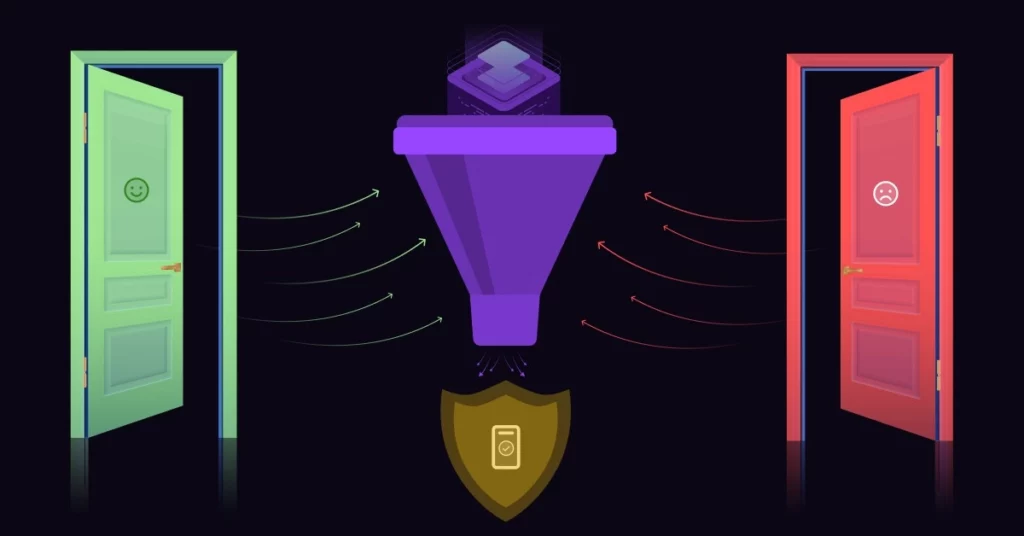
A common fear among merchants is “False Positives”, accidentally blocking a legitimate customer who happens to be traveling. Security shouldn’t kill conversion. The goal is “Dynamic Friction.”
- Low Risk: Frictionless “One-Click” Checkout.
- High Risk: Hard Block.
- Medium Risk (The Grey Zone): Verify.
The Strategy: If a score is inconclusive (e.g., 50/100), trigger a verification step. Send a VoiceDrop Ringless Voicemail with a One-Time Password (OTP). This proves the user owns a physical phone, something bots cannot do, saving the sale without compromising security.
Step 3: Integrate with Your Stack
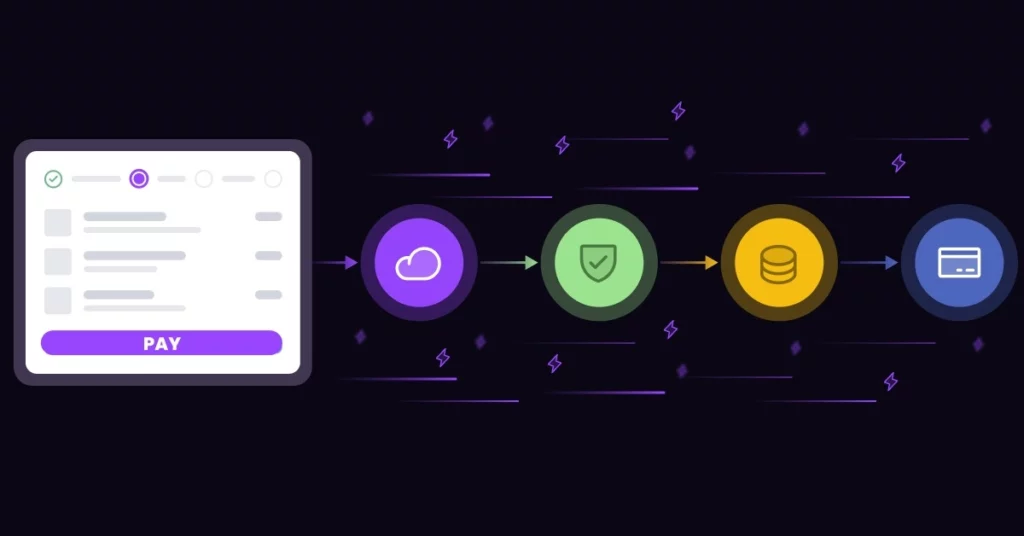
This API is not a standalone wall; it is a data feed. Use VoiceDrop API Integrations to feed risk data directly into your CRM or marketing automation platform. This ensures you aren’t wasting sales resources dialing bot leads or processing fraudulent orders.
Compliance: GDPR and Data Privacy
Is Fraud Detection Legal under GDPR? Yes. While privacy laws are strict, they are designed to protect people, not criminals.
Recital 47 of the GDPR explicitly recognizes that the processing of personal data for fraud prevention constitutes a “Legitimate Interest.” You do not need explicit user consent to scan their IP for security risks.
However, transparency is key. You must mention that you use these tools for security and fraud prevention purposes in your Privacy Policy. For more details on compliance, refer to the official GDPR IP address compliance guidance.
Conclusion
Manual review is a relic of the past. In the time it took you to read this article, a bot could have tested 50 stolen credit cards on your site. You cannot fight automated attacks with manual tools.
You wouldn’t leave your warehouse unlocked at night. Why leave your digital payment gateway wide open?
Stop guessing. Start blocking. Implement an IP intelligence service for fraud prevention today to lock your digital doors against threats while keeping them open for real customers.
Unmask your traffic today. Start your VoiceDrop Demo and see how intelligent data protects your bottom line.
Manual reviews are too slow. For a broader overview of how IP tools drive growth and security, check out our Ultimate Guide to IP Lookup Tools & APIs.
FAQ’s
Can residential proxies bypass IP intelligence?
High-quality intelligence services track “IP churn” and historical behavior. They can detect when a residential IP is behaving like a bot (e.g., impossible travel speeds or high request volumes), even if it looks like a legitimate home connection.
Does this tool detect mobile data (4G/5G)?
Yes, modern tools can identify mobile carrier IPs (CGNAT). These are typically assigned a lower risk score compared to datacenter IPs because they are associated with real mobile devices.
Will an IP scanner slow down my website?
No. If you use a high-performance API, the lookup happens asynchronously in under 100 milliseconds. This ensures that the security check has zero impact on your users’ browsing experience.
How do I handle false positives?
Instead of auto-blocking medium-risk IPs, use a “challenge” method. Implement CAPTCHA or Two-Factor Authentication (2FA) for these specific users. This allows you to verify their humanity without losing a potential sale.