
Learn how to scale nonprofit outreach with limited resources using automation and strategic communication approaches.
Does your nonprofit organization aspire to increase its audience, draw in more funding, and have a greater influence? But then you feel overburdened by your small crew, tight budget, and never-ending to-do list.
Many NGOs encounter this problem. Due to limited funding, a shortage of personnel, and a lack of time, they are unable to expand their reach despite having amazing missions. Instead of organizing large campaigns, you may feel like you’re constantly putting out fires.
The good news is that, even with a small staff, you can scale your outreach. Look at practical, economical, small nonprofit outreach ideas. These tactics help tiny NGOs realistically increase their influence by utilizing technology.
Discover how to increase the number of individuals who hear your mission without exhausting your hardworking employees.
Why Scaling Outreach Matters for Nonprofits
It is very important for your charity to reach out to more people. It’s not enough to just make noise; we need to change things. More people who hear about your cause are more likely to support it. When people know about your services, they are more likely to donate, which means more money for them. You can help more people and serve a bigger group this way.
There are more benefits to expanding your reach than just short-term gains. It helps you stay in business in the long run. Your group is more likely to survive if it has more supporters. Engaging stakeholders more deeply makes relationships with donors, volunteers, and the people you serve stronger.
Most importantly, it makes your goal more powerful. When its word gets to the right people, a small group can do great things. When your nonprofit grows, it can reach its full potential and make a change that lasts.
Common Challenges Nonprofits Face With Limited Staff
Nonprofits often operate with lean teams and tight budgets. This creates unique challenges when it comes to expanding their reach. These hurdles can stop growth and limit how far their message can go.
Volunteer Dependence
Many NGOs depend on volunteers. Volunteers are fantastic and necessary, but their dependence can cause problems. Volunteers differ in skill and dedication. They may not be available when needed. This can cause task discrepancies. Regular outreach events are hard to schedule. Your online presence may suffer if a volunteer can only post once a week on social media.
Your core outreach initiatives depend on unpaid or untrained support, making growth difficult. It means you may not be able to start new projects or expand. Volunteers are invaluable, but overusing them for crucial outreach can limit growth.
Burnout and Role Overlap
Small nonprofit teams have multitasking staff. One individual may coordinate fundraising, communications, and volunteers. Role overlap can cause ambiguous responsibilities. It also increases burnout risk significantly. Staff productivity can diminish when they multitask. They may feel emotionally drained and stressed.
High turnover is another burnout symptom. The surviving team members work harder when good people go. This loop hinders strategic planning. Teams become caught up in daily operations, not thinking about growth. This hinders outreach by preventing fresh campaigns and deeper involvement.
Budget Constraints and Resource Allocation
Most nonprofits have tight budgets. This causes them to make severe spending decisions. Things like marketing, technology, or adding more people are often the first things that get cut. They may prioritize program services above outreach. Lack of outreach can limit future financing, yet serving recipients is vital.
Lack of money for tools, training, or help makes it challenging to spread your message. Software that saves time or online advertising that reaches new people may be too expensive. This makes competing with larger companies with bigger finances difficult. Outreach must utilize every dollar wisely and effectively due to budgetary pressures.
Define and Prioritize Clear Outreach Goals
When staff is limited, every minute and every dollar counts. That’s why having clear, structured outreach objectives is so important. Setting clear, measurable goals helps your small team stay focused. It makes sure everyone is working towards the same outcomes.
Focus on SMART Goals
The SMART framework is a powerful tool for setting effective goals. It stands for:
- Specific: Your goal should be clear and well-defined, not vague. Instead of “increase awareness,” try “increase website traffic from social media by 20%.”
- Measurable: You need a way to track your progress and know if you have met your goal. Use numbers and percentages.
- Achievable: Your goal should be realistic and possible for your team to accomplish, even with limited resources.
- Relevant: Your goal should matter to your organization’s overall mission and vision.
- Time-bound: Set a deadline for when you want to achieve your goal.
For example, a SMART outreach goal could be: “Increase email subscribers by 15% within the next three months to expand our reach for future campaigns.” Or, “Secure 50 new recurring donors by the end of the year to improve financial sustainability.” Using SMART goals helps small teams stay on track and see their progress.
Align Outreach With Organizational Vision
Your outreach goals need context. They must directly support your nonprofit’s goals and long-term impact. Outreach should recruit volunteers for clean-up days, collect cash for conservation initiatives, or educate the public about sustainability if you aim to safeguard the environment.
It needs internal alignment too. Ensure staff, board, and volunteers understand and agree on outreach goals. Everyone should aim for the same goals. This guarantees that every email, social media post, and event advances your organization’s mission. In a small team, unity makes your efforts more strong and efficient.
Tier Outreach by Urgency and Impact
When you have a small workforce, you cannot do everything. Choose what matters most. Sort outreach into categories to prioritize. Consider high-impact, low-effort things that will make a big difference. Consider urgent versus important (long-term problems).
For instance, sending prospective funders a thank-you email can strengthen relationships and be automated. It may be high-impact but high-effort to call every lapsed donor. Simple tools like priority matrices help, which helps your small team prioritize the most important tasks. It indicates you’re spreading your message intelligently, not harder.
Use Data to Identify High-Impact Opportunities
Data-driven decision-making helps you focus on outreach activities that work and give you the best return for your effort. You can use information you already have, like details about donations, how people engage with your content, or even basic demographic information about your supporters. This helps you figure out which audiences or communication channels are worth putting more effort into.
Leverage CRM Tools and Donation Trends
You can use simple CRM tools even if you don’t have a lot of money. You can keep track of important data with platforms like Bloomerang, Kindful, or even HubSpot for Nonprofits, which has free tools. You can see what donors do, how much money they give, and how good your past campaigns were.
There is a lot you can learn from trends in donations. You might find that more people give money after getting a certain kind of text or at a certain time of the year. You can also see which donors respond best to certain types of appeals. This information helps your small team optimize their efforts and focus on what brings in the most support.
Segment Donor and Supporter Lists
Segmentation divides email lists and supporter data into smaller groupings. You can sort them by donor type (first-time, recurrent, major), frequency, or location. You can divide contributors who only give during end-of-year campaigns and city-based volunteers.
The value of segmentation is tremendous. It helps your small team send more tailored and relevant communications without any extra work. You can send targeted emails to each group’s interests instead of one general email. People feel understood, which enhances engagement. Your outreach is more effective, yielding better outcomes with the same effort.
Target the Right Audience With the Right Message
When resources are limited, every message matters. Customized messaging increases engagement dramatically. Make sure your message resonates with your audience. This requires knowing their goals, interests, and information preferences.
For example, you would write a different message for a recurring donor than a first-time volunteer. A recurring donor might respond to an appeal about the long-term impact of their consistent support.
A statement on how their immediate activities matter may drive a first-time volunteer. Match your messages to audience interests. This optimizes your outreach and reaction, utilizing your limited resources..
Automate Routine Outreach Tasks
Automation is a game-changer for nonprofits with limited staff. It saves a lot of time and reduces manual work. This makes it much easier to keep consistent communication with your supporters. There are many beginner-friendly tools that nonprofits can adopt quickly to streamline their outreach.
Email Automation for Donor Engagement
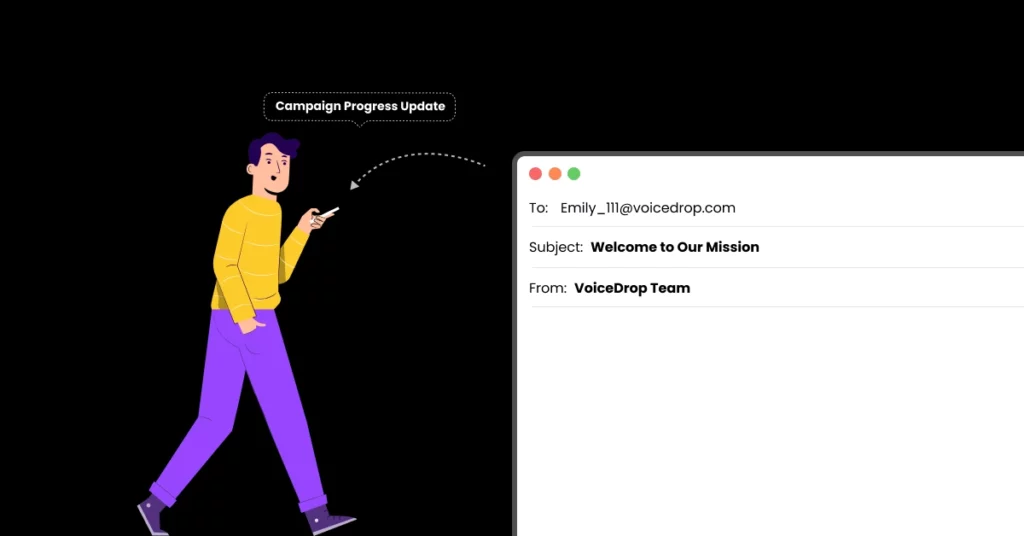
Email automation tools are fantastic for keeping your supporters engaged without constant manual effort. Platforms like Mailchimp, Constant Contact, or Moosend allow you to set up automated email sequences.
- Send an automatic welcome series to new subscribers or donors. This can share your mission, impact stories, and ways to get involved.
- Automatically send personalized thank-you emails after a donation.
- Set up automated emails to share progress on a specific campaign after certain milestones are reached.
These automated emails help nurture your donors and supporters. They ensure consistent communication, build relationships, and keep your mission top-of-mind.
Scheduling Tools for Social Media
It can take a lot of time to keep up a consistent online profile on social media sites. This issue can be fixed with social organizing tools such as Later, Hootsuite, or Buffer. You can plan and post your social media content ahead of time with these tools.
One time a week or month, you can plan all of your posts for the next few weeks. This is very helpful for small teams. This means that your social media pages stay lively and interesting even when your staff is busy with other things.
Having a regular online presence lets you stay in touch with your audience, share news, and get people involved without needing their full attention all the time. It helps you better use your time and makes sure that your information is always seen.
Auto-Responses for Volunteer Queries
Volunteers are important, but answering their inquiries can take up a lot of staff time. Common volunteer queries can be promptly answered by utilizing basic chatbot responses or by setting up auto-replies. These can be configured immediately on your website or through email.
For instance, when someone inquires about registering for an event, an auto-response can instantly provide them with a link to the registration form or a frequently asked questions page.
With VoiceDrop, Nonprofits can use it to send bulk customized voice messages. This is perfect for brief campaign updates, donor thank-you notes, and volunteer reminders. These messages can be conveyed without increasing the effort of your employees. It’s a productive method to maintain communication and make sure your donors and volunteers feel included.
Embrace Low-Cost Digital Marketing Tactics

Digital marketing offers incredible ways for nonprofits to expand their outreach without needing a big team or a huge budget. Many strategies are free or very affordable. By focusing on smart digital tactics, you can reach a wide audience, engage supporters, and amplify your message effectively.
Use Social Media as a Megaphone
Social media platforms like Facebook, Instagram, LinkedIn, and X (formerly Twitter) are powerful tools to spread your message at no direct cost. They act as your megaphone.
- Use relevant hashtags to reach people interested in your cause.
- Tag partners, supporters, and other organizations to expand your reach.
- Use live video to share updates, host Q&A sessions, or show behind-the-scenes moments.
- Encourage your supporters to share your content. When your followers share, their networks see your message, amplifying your reach.
Social media allows you to tell your story, connect with your community, and drive engagement without spending a dime on advertising. Consistency and engaging content are key here.
Create Shareable, Mission-Focused Content
Content is king, especially for nonprofits. Focus on creating content that tells stories, educates, or inspires. This includes:
- Share how your work has positively impacted individuals or communities. Use photos and quotes.
- Create simple graphics that explain complex issues related to your mission.
- Show the human side of your organization and the passion of your team and volunteers.
Content that evokes feelings and is easy to understand is more likely to be shared. When people share your content, your message spreads organically, reaching new audiences without additional effort from your small team.
Tap Into Free Tools like Canva, Mailchimp, or Buffer
You do not need expensive software or professional designers to create great outreach materials. Many free or “freemium” (free with optional paid upgrades) tools make marketing accessible for nonprofits:
- Canva: A user-friendly design tool for creating social media graphics, flyers, presentations, and more. It has many templates to get you started.
- Mailchimp: Offers free email marketing services for small lists, allowing you to send newsletters and automated campaigns.
- Buffer: A social media scheduling tool that has a free plan for managing a few social accounts.
These tools empower nonprofits with little to no design or tech expertise to create professional-looking content and manage their digital presence effectively. They save money and time, allowing your small team to achieve more.
Build and Mobilize a Volunteer Outreach Team
All nonprofits need volunteers. With smart planning, they may expand outreach without hiring more staff. You can assign outreach duties to volunteers after recruiting, training, and empowering them.
For example, you can teach volunteers to handle social media accounts, phone bank to reach contributors or volunteers, or canvass local communities to raise awareness. Giving volunteers ownership and acknowledgment for their contributions empowers them. Give straightforward instructions, simple tools, and regular check-ins.
Partner With Other Organizations and Communities

Collaboration is a powerful way to expand your nonprofit’s reach, especially when your staff is limited. Partnering with other organizations and community groups allows you to pool resources, share audiences, and amplify your message. This means you can achieve more together than you could alone.
Consider these partnership types:
- Co-hosting events: Team up with another nonprofit or a local business to host an event. You share the work and reach each other’s networks.
- Cross-promotions: Agree to promote each other’s missions or campaigns on your social media channels or newsletters.
- Referral exchanges: If your missions align, you can refer people to each other’s services or programs.
- Resource sharing: This could be anything from sharing office space to collaborating on a grant application.
These partnerships help you reach new audiences and leverage existing trust within other communities. It’s an efficient way to grow your footprint without increasing your internal workload.
Maximize the Power of Storytelling
Stories connect people. For nonprofits, compelling stories about your impact, the people you help, or the dedication of your team can emotionally connect with supporters and inspire them to act. A good story makes your mission real and relatable. It’s not just about facts and figures; it’s about lives changed.
Here are tips for collecting and repurposing stories across multiple channels:
- Collect stories: Regularly ask beneficiaries, volunteers, and staff for their experiences. Use surveys, interviews, or simple written submissions.
- Focus on emotion: Highlight challenges, transformation, and hope.
- Repurpose: Once you have a powerful story, share it everywhere:
- Use Newsletters to feature a different story in each email.
- Consider social media to create short posts with impactful quotes and photos.
- Donation pages show the human impact of donations.
- Live events for beneficiaries or volunteers share their stories in person.
This strategy helps you increase visibility without extra workload, as one good story can be used in many ways.
Leverage Grants and Free Platforms for Nonprofits
Many resources exist specifically to help nonprofits scale their outreach without heavy costs. These grants and free platforms can make a huge difference, especially for organizations with limited staff and budget.
- Google Ad Grants: This program offers eligible nonprofits up to $10,000 per month in free advertising credits to use on Google Search ads. This can significantly increase your website traffic and visibility.
- Facebook for Nonprofits: Provides tools and resources for fundraising, engagement, and advertising on Facebook and Instagram. Start by using tools like Google Workspace for communication and collaboration.
- TechSoup: This organization partners with technology companies to offer discounted or donated software, hardware, and services to nonprofits. You can get tools like Microsoft Office, Adobe products, and discounted CRM tools. See what software or hardware discounts are available that can streamline your operations and outreach.
These resources can empower your nonprofit to utilize cutting-edge tools. You can reach a wider audience, often at no cost, making scaling much more achievable.
Final Thoughts: Scaling Is Possible-Even With Constraints
With limited staff and resources, expanding your nonprofit’s outreach may seem daunting. Smart ideas, free and affordable technologies, and community support make it possible. Set goals, use data to make decisions, automate monotonous operations, and leverage low-cost digital marketing. Build a strong volunteer team and seek collaboration. Tell your narrative well above all.
Technology can help in this journey. Consider VoiceDrop as a unique and effective nonprofit communication platform. It lets you send personalized ringless Voicemail for Nonprofit Organizations, keeping your outreach personal, efficient, and consistent without overburdening small teams.
This platform enables you to communicate meaningfully without wasting staff time by sending contributors a thank-you, volunteers a reminder, or community updates. Want to explore how VoiceDrop can improve nonprofit outreach? Request a demo now.