Are your clinic staff spending hours every week on manual patient follow-up calls? Is your practice losing revenue due to high patient no-show rates? How can clinics ensure that crucial automated voice messaging adheres to strict HIPAA compliance rules? The challenge for healthcare providers is clear. You need efficient, scalable communication without compromising patient privacy or the personal touch. The solution is Healthcare Voicemail Automation.
This expert guide explains how Healthcare Voicemail Automation improves clinic patient engagement, reduces missed appointments, and streamlines administrative workflows. You will learn the critical steps for implementation and strict HIPAA and TCPA compliance rules. We cover best practices for creating secure, personalized patient reminders. Platforms like VoiceDrop.ai (Site Name) enable clinics to use AI voicemail for healthcare effectively and compliantly, boosting communication without increasing staff workload.
What Is Healthcare Voicemail Automation?
Healthcare Voicemail Automation is a modern communication solution. It involves sending pre-recorded or AI-generated voice messages directly to patients’ voicemail inboxes. Crucially, the system sends this message without ringing the patient’s phone. This method, known as ringless voicemail, allows clinics to communicate appointment reminders, follow-ups, or other important information in a non-intrusive way. The technology uses specialized software to deliver the message silently via the phone network.
This approach is a powerful upgrade from traditional methods. A traditional patient reminder service requires a staff member to dial repeatedly or to leave lengthy manual messages. Healthcare Voicemail Automation ensures every patient receives a clear, timely message efficiently and at scale. It removes the administrative burden on office staff. This frees up time for more complex patient care issues. VoiceDrop offers an advanced solution. It uses AI voice cloning, automated campaigns, and integration with electronic health record (EHR) systems to streamline this process, making it a powerful healthcare technology solution. It is the safest and least disruptive method of ringless voicemail marketing for health providers.
HIPAA & Compliance Considerations
For any healthcare communication, compliance is non-negotiable. Any message containing PHI (Protected Health Information) must strictly comply with HIPAA rules. Failing to adhere to these rules can result in massive fines and loss of patient trust. Compliance should be your first priority when adopting Healthcare Voicemail Automation.
The core principle for HIPAA-compliant communication is avoiding third-party disclosure of sensitive information. Avoid including sensitive medical details in voicemails. If the Voicemail Message is heard by someone other than the patient (like a family member or coworker), it could be a violation. Therefore, use minimal identifying information to stay compliant. A safe automated message might only include the patient’s first name, the appointment date/time, and the provider’s name. It should never mention the reason for the visit, diagnosis, or medication details. Clinics must also ensure they obtain patient consent for receiving automated calls and voicemails. For comprehensive guidelines, always refer to the official HIPAA compliance guidelines.
Appointment Reminder Best Practices
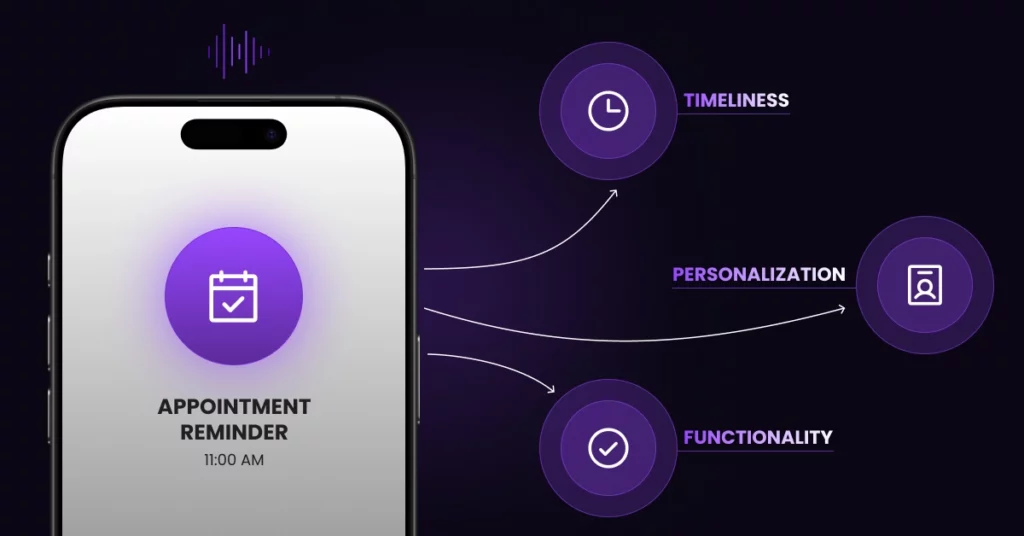
Effective automated appointment reminders must be more than just accurate. They must be personalized, timely, and functional to ensure maximum response and minimal no-shows. These practices turn notifications into actionable steps for the patient.
Timing of Reminders
The timing of your messages directly impacts your no-show rates. Explain optimal times to send reminders. Send the first reminder 48 hours before the appointment. This gives the patient enough time to reschedule without incurring a no-show fee. Send a second, final reminder 24 hours before, or even the morning of the appointment, to confirm. Strategic timing ensures the message is heard while the appointment is still top-of-mind for the patient.
Personalization
Use the patient’s first name, appointment details, and provider name to make the voicemail feel personal. Personalized messages increase engagement and Response Rates because they don’t sound like generic robocalls. Modern healthcare communication solutions allow the use of a digitized or cloned voice of the clinic staff. This adds warmth and familiarity. VoiceDrop’s AI voice or voice cloning feature can deliver messages in a warm, human-like tone, enhancing personalized patient communication without requiring extensive staff effort.
Two-Way Communication
An effective patient reminder service should always facilitate a response. Encourage patients to confirm, cancel, or reschedule directly from the voicemail. Enabling simple callbacks or utilizing VoiceDrop’s inbound AI agent can streamline scheduling. The AI can handle simple scheduling changes without requiring immediate staff intervention, turning a one-way notification into Two-way communication and freeing up administrative staff.
Frequency & Message Limits
To avoid patient frustration, clinics must avoid over-messaging. Too many reminders lead to “voice fatigue” and can lead to opt-outs. Suggest limiting reminders to 2–3 per appointment as an effective rule of thumb. This prevents irritation and maintains a positive patient relationship, ensuring future messages remain effective.
Integration with Scheduling Systems
Explain syncing automated reminders with EHR or patient management systems. This integration is vital to reduce errors and ensure accurate appointment information is always used. The system should automatically stop reminders once a patient confirms.
Monitoring & Optimization
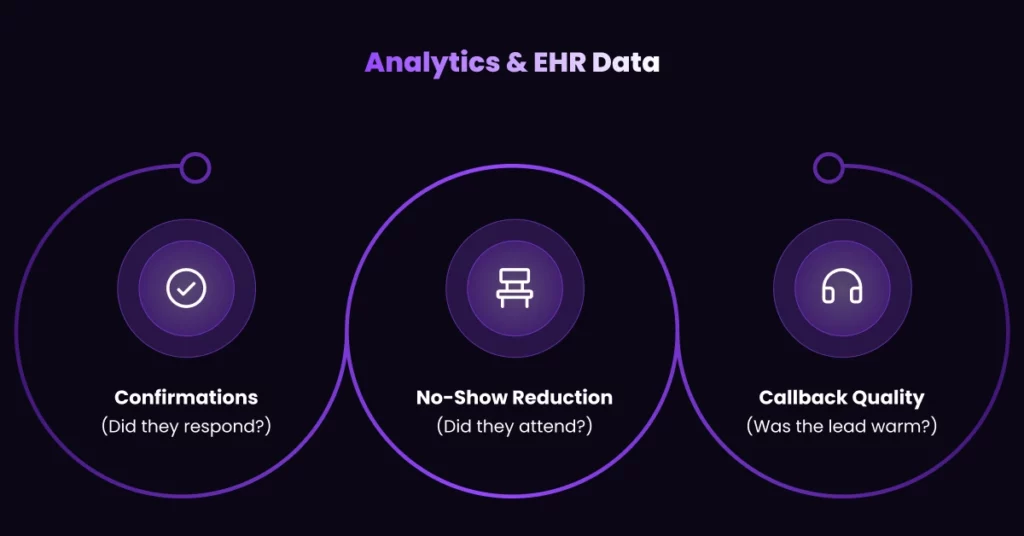
Track delivery rates, callbacks, confirmations, and patient engagement metrics. Use analytics to refine timing, content, and approach for maximum effectiveness. This data-driven approach ensures a continuous reduction in no-show rates.
Implementation Steps
Successfully implementing Healthcare Voicemail Automation requires careful planning, rigorous platform selection, and strict adherence to legal requirements. Follow these steps to ensure a smooth transition and maximize compliance.
Assess Your Clinic’s Needs
Evaluate patient volume, appointment types, and no-show rates. Identify which specific workflows, reminders, patient follow-up calls, and confirmations can benefit most from voicemail automation. This analysis helps focus the automation effort where it will have the greatest impact on efficiency.
Choose the Right Platform
It must be HIPAA-compliant, have strong CRM integration capabilities, and offer high-quality AI voice options. Highlight why VoiceDrop is ideal for healthcare providers. It provides advanced AI voice, secure campaign management, and compliance features, ensuring effective outreach.
Set Up Patient Consent
Obtain opt-in from patients for receiving automated voicemail messages. Consent forms must comply with both HIPAA and TCPA regulations. Document preferences clearly and thoroughly. This is crucial to avoid legal or compliance issues down the line.
Create Voicemail Campaigns
Draft message scripts, keeping them concise, personal, and professional. Remember the HIPAA compliance rules for minimal PHI. Segment patient lists by appointment type, clinic location, or other criteria. Schedule Voicemail campaigns according to best practices established in the previous section.
Integrate with Existing Systems
Connect voicemail automation with EHR or patient management systems for accurate appointment data. The goal is real-time syncing to reflect cancellations, reschedules, or updates. Use API or built-in integrations provided by the voicemail platform for a smooth workflow with your electronic health record (EHR).
Test and Optimize
Run a pilot campaign to verify message delivery, personalization, and patient response. Monitor metrics such as callbacks, confirmations, and no-show reduction. Adjust timing, message content, or frequency based on analytics before scaling.
Monitor Compliance and Security
Continuously check that messages follow HIPAA and TCPA regulations. Maintain secure data handling, encryption, and access control. Update patient consent and DNC lists as needed to ensure ongoing compliance.
Consent & Privacy Checklist
Compliance hinges on proper consent and strict privacy controls. The electronic health record (EHR) contains sensitive data, making security paramount for Healthcare Voicemail Automation.
Emphasize the importance of opt-in consent for automated voicemails, covering both HIPAA and TCPA compliance. Explain ways to collect consent during registration, appointment booking, or via secure online forms. Highlight limiting PHI in voicemails, encrypting patient data, and ensuring secure storage. This includes verifying contact information before sending the message. VoiceDrop supports compliance with features like a phone number validator, built-in consent management, DNC list handling, and secure delivery features for its automated voice messaging.
Integration with EHR/CRM
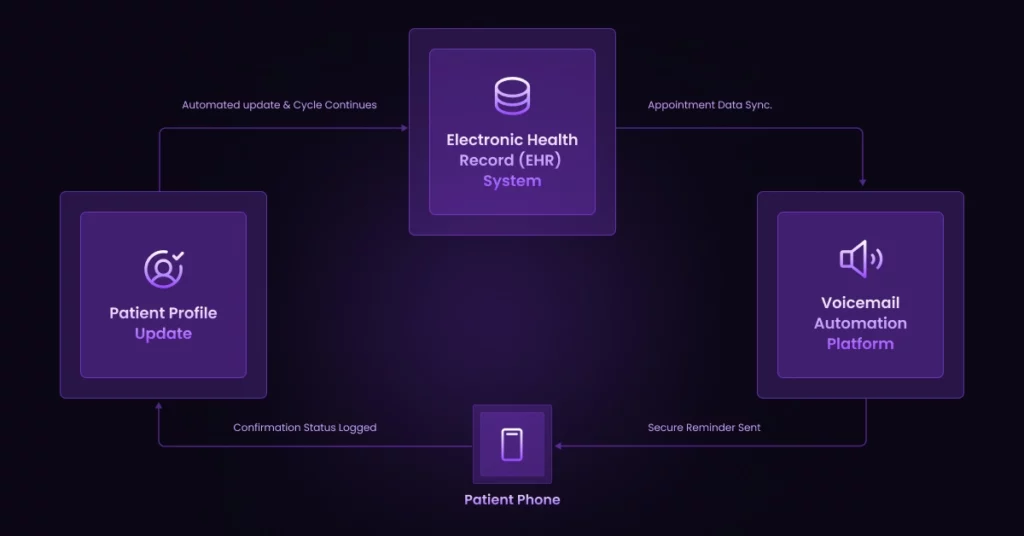
Seamless CRM integration between your communication tool and your core health systems is essential for efficient Healthcare Voicemail Automation. This ensures accurate, automated, and error-free patient communication.
Syncing with EHR or CRM ensures accurate appointment details, reduces manual errors, and updates patient records automatically. This process involves automated import of patient contact lists, appointment dates, and status updates directly from your appointment scheduling system. This saves administrative time, improves message accuracy, and enables scalable campaigns. The Centers for Medicare & Medicaid Services (CMS) emphasizes the importance of accurate electronic health record (EHR) keeping for better outcomes. VoiceDrop connects to EHRs/CRMs via APIs or built-in connectors for a smooth workflow, enabling highly effective telehealth communication tools.
Testing & QA
Testing is the last critical step before full-scale deployment of Healthcare Voicemail Automation. A rigorous Quality Assurance (QA) process protects your clinic’s reputation and compliance status.
Start with a small batch of patients to verify message delivery and accuracy. Ensure correct patient names, appointment times, and provider info are used in the automated message. Test AI voices or recordings to ensure clarity, professionalism, and patient-friendliness. Run a trial of your full automated voice messaging sequence, checking the Response Time and Two-way communication functionality. Use insights from testing to refine Voicemail Scripts, timing, and campaign setup, ensuring maximum patient reminder service effectiveness.
Monitoring & Reporting
Tracking performance provides invaluable data for optimizing Healthcare Voicemail Automation. It moves beyond simply reducing no-shows; it improves your whole communication strategy.
Track delivery success, callbacks, confirmations, no-show reductions, and patient engagement rates. Use these reports to gain insights into which messages or timings work best for different patient segments. Ensure continued adherence to HIPAA, TCPA, and patient consent rules, documenting all activity. Use analytics to refine messaging, scheduling, and targeting for better results, ultimately contributing to the informed consent process by ensuring patients are fully aware of their appointments. This continuous cycle of tracking and refinement maximizes the effectiveness of your outreach.
Final Thoughts on Healthcare Voicemail Automation
Healthcare Voicemail Automation is a critical component of modern clinic patient engagement. It significantly improves appointment attendance, saves valuable staff time, and enhances the overall patient experience, all while maintaining strict compliance. The ability to send secure, personalized AI voicemail for healthcare at scale is a game-changer for clinic efficiency.
VoiceDrop.ai offers the features clinics need: high-quality AI voice messages, seamless EHR/CRM integration, secure delivery, and the option for an inbound AI agent. Adopting this technology helps your practice thrive in a complex regulatory environment.
Ready to stop losing revenue to no-shows and start saving your staff time? Implement a compliant, efficient patient communication system today.
Click here to schedule a demo and see how VoiceDrop can transform your patient scheduling.
FAQ’s
Q1: How does voicemail automation reduce missed appointments?
Automated appointment reminders ensure patients receive timely notifications about their appointments. Personalized messages and strategic timing help reduce no-shows, allowing clinics to maximize scheduling efficiency.
Q2: Is voicemail automation HIPAA compliant?
Yes, when implemented correctly. Platforms like VoiceDrop maintain compliance by limiting PHI in messages, handling opt-ins, and using secure, encrypted delivery methods to protect patient data.
Q3: Can patients respond to voicemail reminders?
Yes. With VoiceDrop, patients can call back or interact with an AI agent to confirm, cancel, or reschedule appointments, providing a seamless Two-way communication channel.
Q4: How do I integrate voicemail automation with my clinic’s EHR or CRM?
Platforms like VoiceDrop offer API integrations and built-in connectors to sync patient data, appointments, and responses automatically, ensuring accurate and up-to-date messaging with your electronic health record (EHR).
Q5: How often should I send automated voicemail reminders?
Best practices recommend sending 1–2 reminders, typically 48 hours and 24 hours before the appointment. Avoid over-messaging to prevent patient frustration.