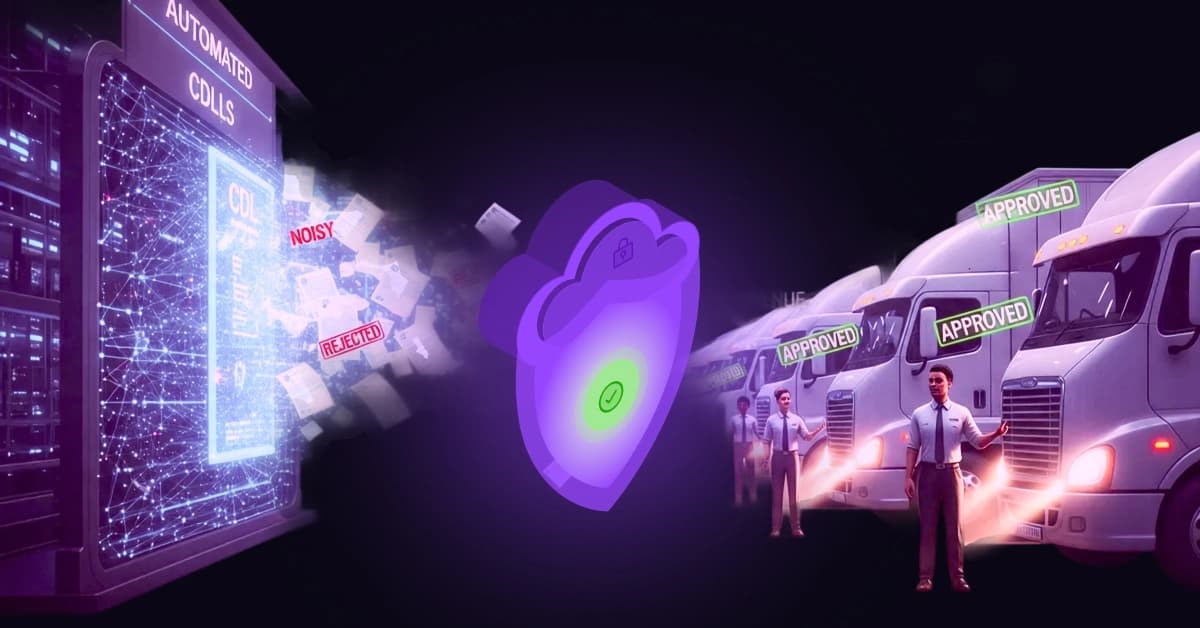
The logistics industry is trapped in a paradox. You are facing a massive driver shortage, yet your ATS is flooded with “one-click” applications.
It is every fleet manager’s nightmare: You have ten empty trucks sitting in the yard, burning cash on insurance and depreciation every hour they sit idle. Meanwhile, your recruiting team is burning out, manually dialing hundreds of numbers only to reach full voicemail inboxes.
Manual screening is dead. To fill seats in 2026, you need automated truck driver recruitment strategies. By using CDL driver screening automation, you can filter out noise, respect drivers’ time, and stop bleeding revenue.
The Crisis in Logistics: Why You Can’t Find Enough Drivers
The statistics are alarming. The industry is currently short tens of thousands of drivers, and the gap is widening. However, the problem isn’t solely a lack of CDL holders; it is often the inefficiency in connecting with them effectively.
The Cost of an Empty Seat (Idle Equipment)
When a truck sits unassigned, it does not just mean lost revenue. Furthermore, it means paying for insurance, depreciation, and maintenance on an asset that isn’t generating a dime. Consequently, reducing the “Time to Fill” metric is the single most effective way to improve a fleet’s bottom line.
The “Speed-to-Lead” Challenge in Trucking
Truck drivers are the most mobile candidates on the planet. If your recruiter doesn’t contact a driver within 5 minutes of their application, that driver is likely already on the phone with a competitor.
In high-volume driver hiring, speed is the only currency that matters. If you are too slow, you are just training your recruiters to leave voicemails on disconnected lines.
Why Manual Phone Screening Fails for CDL Candidates

For decades, the standard procedure has been simple: get a list of applicants and start dialing. However, this traditional method is fundamentally flawed in the modern logistics environment.
The Safety Dilemma: Drivers Can’t Answer the Phone
Unlike corporate hiring, your candidates are driving 70 MPH. Federal regulations (and common sense) strictly prohibit them from answering your call.
When you force recruiters to dial manually during business hours, you are setting them up to fail. They are playing a game of phone tag that is slowing down the hiring process and frustrating the driver.f
Wasting Time on “Ghost Applications”
Many drivers use “Easy Apply” features on job boards, blasting their resume to fifty companies at once. Often, they do not even remember applying to your specific fleet. Manually calling these cold leads wastes valuable recruiter hours that should be spent closing qualified candidates.
The “Mobile-First” Solution: Automated Ringless Voicemail

To solve this, innovative fleets are turning to a “Blue Ocean” strategy: Ringless voicemail for trucking. VoiceDrop offers a solution tailored specifically for the nomadic lifestyle of a truck driver.
How Ringless Voicemail (RVM) Works for Fleets
VoiceDrop technology allows a fleet manager to drop a pre-recorded message directly into the driver’s voicemail inbox without their phone ever ringing.
VoiceDrop technology allows you to drop a pre-recorded message directly into the driver’s voicemail inbox without their phone ever ringing.
This isn’t just technology; it’s respect.
- Non-Intrusive: The message lands silently without interrupting their active haul.
- Safety First: Drivers can listen safely during a fuel stop or mandated rest break.
- Low Pressure: It puts your offer in their ear without the awkwardness of an immediate sales pitch.
Creating a “Personal Connection” at Scale
Unlike text message recruiting for truck drivers, which can feel robotic, a voice message builds immediate rapport. Hearing a recruiter say, “Hey, I reviewed your application, and I’m impressed with your 5 years of OTR experience,” creates a human connection.
To see how other fleets are utilizing this technology, explore these Automated Recruitment Scenarios.
Strategy 1: The “First Response” Filter
The most effective way to handle high-volume driver hiring is to automate the initial filter. This ensures your recruiters speak only to serious, qualified drivers.
Filtering Qualified vs. Unqualified Drivers
Stop calling unqualified leads. Use automation to filter the “tire kickers” from the serious professionals.
The Workflow:
- Broadcast: Send a voice drop to all new applicants instantly.
- Filter: Your message asks them to call back only if they have a valid Class A CDL and a clean MVR.
- Result: Your recruiters only spend time talking to pre-qualified drivers who are motivated enough to call back.
💡 Pro Tip: Don’t waste credits on landlines. Use the free phone validator tool by 1Lookup to scrub your list before you hit send. 1Lookup is built by the same team as VoiceDrop.
Strategy 2: Re-Engaging Your “Dead” Driver Database
Most trucking companies have an ATS filled with thousands of old leads. These are drivers who applied six months ago but weren’t hired. However, circumstances change, and this database is a goldmine.
The “Seasonal Check-In” Campaign
Drivers switch jobs frequently. A driver who was happy six months ago might be looking for a change today. Therefore, sending a “Seasonal Check-In” voice drop to your old leads can generate inbound calls from experienced drivers at a fraction of the cost of new job board ads.
Announcing New Lanes or Pay Hikes
Did you just open a new dedicated lane? Did you increase your cents-per-mile (CPM)? Use VoiceDrop to notify past applicants about these upgrades instantly. This is an excellent method for automated applicant engagement.
Integrating with Your Driver ATS (Tenstreet, EBE, etc.)
Trucking recruiters live on platforms like Tenstreet. Fortunately, you do not need to leave your dashboard to use this technology.
Seamless Workflow Automation
Your recruiters live in platforms like Tenstreet or EBE. You don’t need to add another tab to their browser.
Seamless Workflow Automation:
- Trigger: Application lands in Tenstreet.
- Delay: Wait 15 minutes (to make it feel natural).
- Action: Trigger VoiceDrop API to send a “Welcome from the Fleet Manager” voicemail.
This ensures 100% of applicants receive a personal touch without the recruiter lifting a finger. Check out our ATS Integration options.
Scripts that Appeal to Professional Drivers
When scripting for drivers, keep it “Blue Collar Professional.” Be direct, respectful, and clear.
The “Quick Screen” Script
“Hey [Name], this is Mike from [Company]. I see you have 2 years of experience. We have a dedicated lane opening near your home that lets you take weekends off. Give me a call back at [Number] if you want the details. Stay safe.”
The “Orientation Reminder” Script
Use this to prevent costly no-shows at orientation. “Hey, just reminding you that orientation starts Monday at 8 AM. We’ve got your hotel booked. Call if you have any issues finding the terminal.”
Compliance and Data Hygiene
Because trucking is a heavily regulated industry, compliance is non-negotiable.
Navigating TCPA and FMCSA Guidelines
Always ensure your application forms include consent to be contacted via phone or media. Additionally, familiarize yourself with FMCSA Regulations to ensure your hiring practices meet federal safety standards.
Cleaning Your List (Removing Dead Numbers)
In trucking, phone numbers change as often as oil filters. Sending voice drops to disconnected lines or wrong numbers doesn’t just waste budget; it hurts your Sender Reputation.
⚠️ Essential Step: Don’t guess. Use 1Lookup to clean your Driver Data before launching any bulk campaign. Their Carrier Lookup tool identifies line types (Mobile vs. Landline), ensuring you stay compliant and efficient.
Measuring Recruitment ROI
Ultimately, every tool must justify its cost.
Reducing “Cost-Per-Hire”
By automating the initial screen, you significantly reduce the person-hours required to hire one driver. This lowers your overall Cost Per Applicant (CPA) and frees up your recruiters to focus on closing deals rather than dialing phones.
Improving Retention through Better Communication
Consistent communication helps reduce driver turnover. Simple gestures, like an automated birthday wish or a work anniversary voice drop, make drivers feel valued and loyal to the fleet.
Conclusion
In logistics, the fleet that communicates the fastest and most personally wins the driver. Logistics hiring software isn’t about replacing recruiters; it’s about freeing them to build real relationships.
Stop letting your trucks sit empty.
Start Your Free Trial today and see how VoiceDrop can fill your seats and lower your Cost-Per-Hire.
FAQ’s
Can I integrate this with Tenstreet?
Yes, via Zapier or API, you can trigger voice drops based on status changes directly within your driver ATS.
Will drivers feel bothered by these voicemails?
No, because ringless voicemail doesn’t interrupt their driving. It allows them to listen safely during a fuel stop or rest break, which they appreciate.
How does this help with driver no-shows?
Sending a personal voice reminder 24 hours before orientation significantly increases show-up rates by adding a human layer of accountability.