
Learn how to follow up with mortgage prospects effectively to increase application completion rates and close more deals.
In the fast-paced world of mortgage lending, getting a lead is just the first step. The real challenge-and the biggest opportunity-lies in effective follow-up. How many promising leads have slipped through your fingers simply because of missed connections or delayed responses?
Consistent and strategic follow-up is not just important; it’s essential for boosting your conversion rates and closing more loans. So, how can you choose the right channels? Craft compelling messages, leverage technology, and navigate common challenges to turn more leads into loyal clients.
Let’s delve into the practical mortgage follow-up email templates, strategies, and powerful tools. They can transform your follow-up process and significantly increase your success with mortgage leads.
What is Real Estate or Mortgage Follow-Up?
Follow-up in mortgage and real estate leads means staying in touch with potential clients after their initial inquiry. This can be phone calls, texts, emails, or videos. It involves nurturing a lead from initial curiosity to a concluded deal.
Mortgage and real estate decisions are complicated and financial, so follow-up is essential. How to follow up with prospects? Prospects rarely commit after one meeting. They compare lenders, consider loan choices, and balance their selections.
Keeping these prospects in mind requires effective follow-up. Keeps you in the loop while they consider their options and builds trust. Provide timely information, answer inquiries, and demonstrate your experience to lead them and prove you’re the best choice.
Best Times and Frequency to Follow Up With Mortgage Leads

Successful mortgage lead follow-up requires timing and regularity. Data repeatedly shows that responding fast to a fresh lead greatly enhances the likelihood of contacting and converting that lead.
How often should you follow up with prospects? A perfect response time is usually within minutes of a lead. Delaying your response by an hour might dramatically reduce your chances.
A deliberate follow-up cadence is needed after initial contact. There’s no set rule, but a good starting point is five touchpoints in the first two weeks. These touches can use many channels. A phone conversation may be followed by a text, an email with valuable information, another call a few days later, and a voicemail drop. Persistence without overload is crucial.
Follow-up timing can also be influenced by lead behavior. A timely follow-up targeted to a lead’s interest after they clicked on a certain email link or viewed a specific website page might be helpful. Tracking these behaviors and automating reminders for good follow-up can help.
Choosing the Right Communication Channels for Follow-Up
Picking the right way to follow up with mortgage leads is very important for getting in touch with them successfully. Calls, emails, texts, and video messages are all different channels that have pros and cons. Depending on the lead’s tastes and the stage of the follow-up process, the best way to handle things is often to use a mix of them.
- Phone calls are a direct and personal way to meet, which lets you talk and get to know someone better right away. You may not want them, though, and many people block calls from numbers they don’t know.
- Emails are a good way to share detailed information, educational content, or summaries of talks that have already happened. One problem with them is that it’s easy to miss them or ignore them when your email is full.
- Texts have a high open rate, so they’re great for quick updates, reminders, or quick check-ins. But they’re not as good for deep conversations, and they might feel too casual for first contact.
- Video messages let leads see and hear you, which adds a human touch and can help build trust. The best ways to use them are to give personalized introductions, break down complicated topics, or provide quick updates.
Combining these follow-up methods into a multichannel plan is often the best way to get in touch with leads. This way, you can use the channels they prefer and change your approach based on how they respond. For instance, after the first call, if there’s no answer, a text message could be sent, and then an email with the necessary information.
Crafting High-Converting Follow-Up Messages
Content and delivery of follow-up messages greatly affect conversion rates. Prospects rarely respond to generic, templated messages. Personalization is crucial in mortgage follow-up.
Customizing your message to the lead’s needs, interests, and home-buying stage shows you’ve listened and understood. Bringing up earlier conversations or website content can make a great difference.
Text and email can be personalized, but voice messages are more personal. A nice voice can develop trust more than words. If you want to personalize your mortgage campaigns, VoiceDrop lets you send high-converting voicemail follow-ups that feel personal, even when automated. You can record and send a personalized message to several leads without their phones ringing. This allows for personalization while respecting their time.
For example, you can leave a voicemail saying, “Hi [Lead Name], I saw you were considering a [Loan Type] loan, so I wanted to quickly provide some advice.” This feels more personal than a generic SMS or email. Personalized voicemail can improve your follow-up approach.
Mortgage Lead Nurturing vs. Hard Sales: What Works Best?

When following up on mortgage leads, there is a big difference between nurturing leads and using hard-selling techniques. Lead nurturing is about creating trust and providing value over time. It helps prospects make decisions by giving them useful information and teaching them.
On the other hand, hard selling involves high-pressure tactics to get people to make a decision quickly, frequently only focusing on closing the deal as rapidly as possible. Hard selling could work in the short term, but it usually turns off potential customers and doesn’t lead to long-term conversions.
People who are getting a mortgage need to feel confident and encouraged, not forced. The mortgage sector works best when people work together. You may develop a stronger relationship by being a trusted advisor, teaching leads about their alternatives, and being understanding when they have questions. This way of doing things makes you more of a partner in their journey than just a salesperson.
Using a CRM to Automate and Track Your Mortgage Follow-Ups
Modern mortgage brokers need a CRM system to improve follow-up. CRMs automate follow-up sequences, schedule reminders, and track lead interactions. This ensures that no lead is missed and that you follow up consistently and promptly.
Lead management and follow-up tools are common in mortgage CRMs. Look for pipeline management, contact segmentation, activity tracking, and workflow automation. A CRM lets you automate email sequences for leads at different stages of the sales funnel. You may also establish reminders for yourself or your team to call or send tailored messages at crucial follow-up points. Your CRM centralizes lead information and communication history, giving you a complete perspective of each prospect’s journey.
VoiceDrop integrates with most CRMs or works alongside them to improve follow-up. This connection lets you personalize automated sequences by triggering voicemail drops based on lead action or stage. Using VoiceDrop.ai with your CRM helps lenders keep top of mind with leads without sales pressure. It manages continuous, personalized outreach at scale, freeing up time for high-priority tasks and closing business.
Overcoming Common Objections During Follow-Ups
In mortgage sales, objections are common, and how you manage them during follow-ups can affect conversion rates. Mortgage prospects often object to high interest rates, feeling unready to commit, or wanting to browse around. Being ready to answer these objections with empathy and confidence is key.
Avoid defensiveness and use objections to establish trust and share more information. When a prospect complains, “The interest rate is too high,” don’t merely defend your rate. Instead, empathize with their fear and explain what you offer beyond the rate, such as:
- Customized attention
- Advice on the complex procedure
- A commitment to finding the ideal financing package for them.
You could also suggest ways to cut their pricing. Respect a prospect’s timeframe, but offer to stay in touch and provide helpful information as they prepare. Having sample responses and techniques for frequent objections might enhance your confidence during these interactions.
Segmenting Your Leads for Smarter Follow-Up
It is not a good idea to treat all mortgage leads the same, as this could lead to bad follow-up. It’s not efficient or successful to send the same message to all leads, no matter what their needs, interests, or stage in the process are. When you divide your leads into groups, you can follow up with each one in a way that is better and more relevant to them.
Segmentation can be done in your CRM based on various criteria. For example, you can segment leads by:
- Lead Temperature: Hot leads who are ready to apply versus cold leads who are just starting to explore.
- Loan Type Interest: First-time homebuyers, those interested in refinancing, or those looking for a specific loan program like FHA or VA.
- Engagement Level: Leads who have actively engaged with your content versus those who have only provided basic contact information.
- Source: Where the lead originated (e.g., website inquiry, referral, online ad).
Once you split your leads, you can tailor your follow-up to each group. First-time homebuyers may receive home-buying instructions, while refinancing leads may receive interest rate updates. Personalization makes communication more relevant and enhances engagement and conversion. These segmented follow-up sequences can be automated by your CRM to reach the correct lead at the right time.
Leveraging Social Proof in Your Follow-Up Strategy
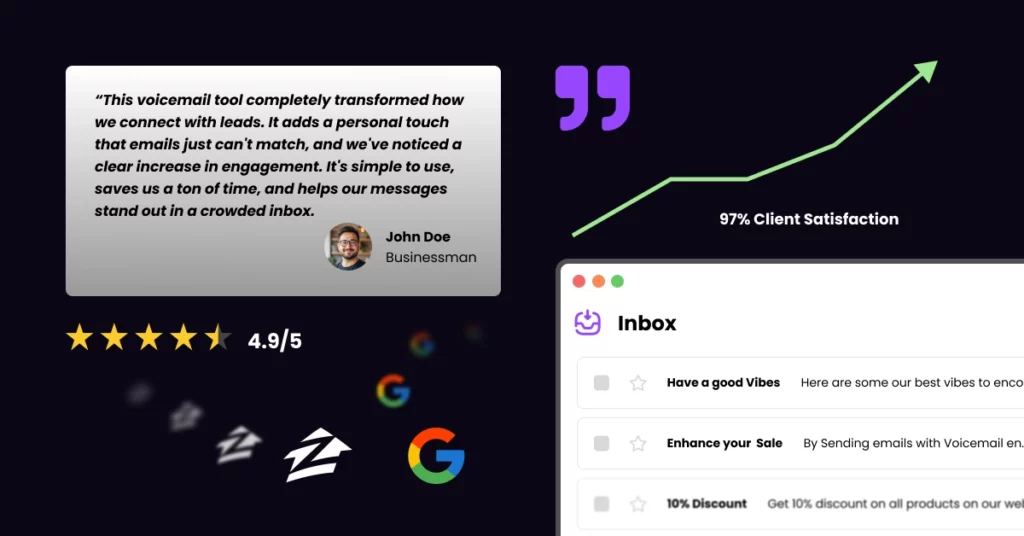
Social proof is a strong psychological concept that has a big effect on how people make decisions. When it comes to mortgage follow-up, using social proof can help build trust and get leads who aren’t sure yet closer to converting. Social proof is showing off the good things that have happened for past clients to show that you can be trusted and that your services are valuable.
Suggestions for incorporating social proof into your follow-up strategy include:
- Share quotes or short success stories from satisfied clients in your follow-up emails or on your landing pages.
- Provide more detailed accounts of how you helped a client overcome a specific challenge or achieve their mortgage goals.
- If you have positive reviews on platforms like Google or Zillow, mention them or link to your profiles in your follow-up communications.
- If possible, share data that demonstrates your success rate in helping clients secure loans or refinance effectively.
Social proof eases anxieties and boosts service confidence. In the mortgage market, trust is crucial to client decisions. Use social evidence strategically in follow-up sequences to persuade hesitant leads and boost conversions.
Compliance and Ethical Considerations in Follow-Ups
Follow-up with mortgage leads must always be done in a way that is legal and moral. Many rules about the mortgage industry are meant to protect customers. If you don’t follow these rules, you could face big fines and damage to your image.
Basic legal guidelines for contacting mortgage leads include understanding and complying with regulations like the Telephone Consumer Protection Act (TCPA) for calls and texts, and the CAN-SPAM Act for emails.
Certain unsolicited calls and texts require express approval under the TCPA. Commercial emails must have clear sender identification, an easy opt-out, and accurate subject lines under the CAN-SPAM Act.
Building trust requires ethical behavior beyond legal obligations. Be honest, respect the prospect’s privacy, and avoid spammy or misleading techniques.
Ready to Improve Your Mortgage Follow-Up Strategy?
Following up on mortgage leads in a smart way is what turns them into closed loans. You can greatly improve your follow-up process by using the ideas we’ve talked about, such as timing your messages better, making them more personal, using CRM systems, and using social proof. You will be even more successful if you know how to avoid making common mistakes and follow legal and moral rules.
To take your mortgage lead follow-up to the next level, consider integrating VoiceDrop into your strategy. Get a demo, a smart and efficient way to automate personalized voicemail drops. It is easier to stay top-of-mind with leads and improve response rates.