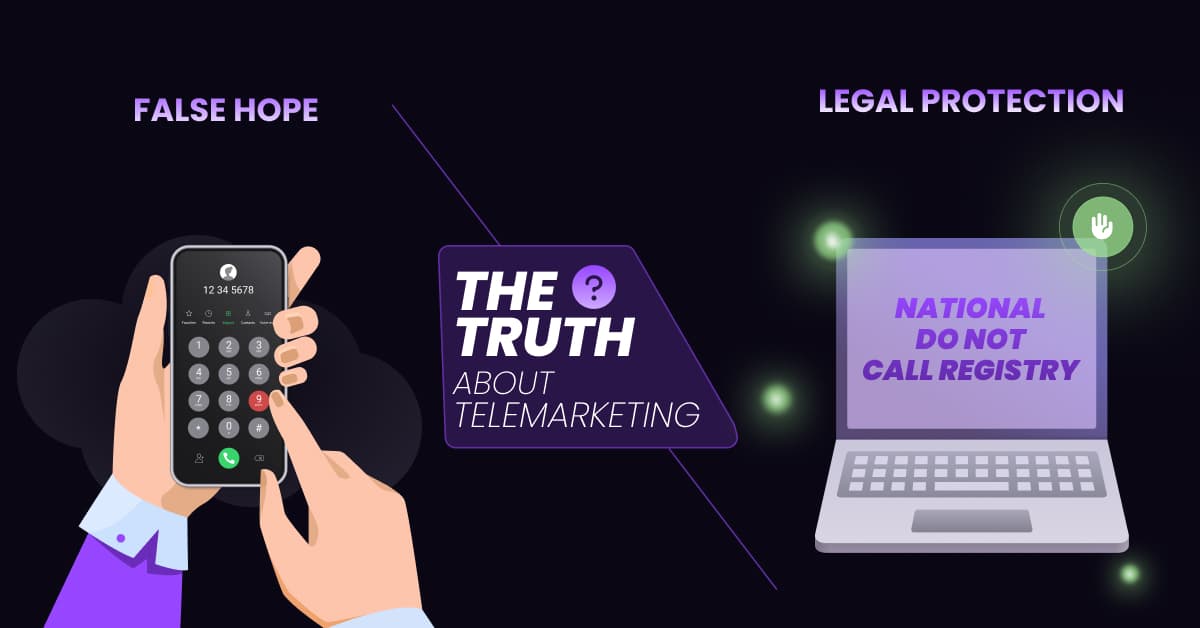
Are you constantly interrupted by relentless, unsolicited calls? Do you frantically press “9” when an automated voice offers an opt-out, hoping the calls will stop? Does Pressing 9 Stop Telemarketers? This common belief is widespread, but it is often based on misconceptions. The truth is complex. While pressing a number can indicate an opt-out, it does not guarantee legal compliance.
Understanding the law is the only way to protect yourself as a consumer and run a safe business campaign. This expert guide clarifies the legal frameworks, including the National Do Not Call Registry and the TCPA. We detail state telemarketing laws and offer safe, modern robocall rules alternatives. For businesses, we highlight compliant outreach methods like Ringless Voicemail (RVM) via VoiceDrop.ai (Site Name).
Understanding Telemarketing Calls
Telemarketing involves reaching out to consumers or businesses over the phone. Companies use these calls for B2B and B2C marketing campaigns. The primary goal is usually generating sales, acquiring new customers, or providing information about a product or service. This is a legitimate form of commerce, but it is one that requires strict regulation.
The calls can be human-initiated or automated. Automation drastically increases the volume of calls. Consumers have pushed back against this high-volume outreach. This reaction led to stringent telemarketing regulations designed to protect privacy. The core concept is consent. Companies must obtain opt-in and opt-out requirements from consumers before calling, making consent critical in telemarketing today. Understanding the purpose and regulation of these communications is the first step toward managing them. Learn more about the history and impact of telemarketing campaigns.
What Pressing 9 Means
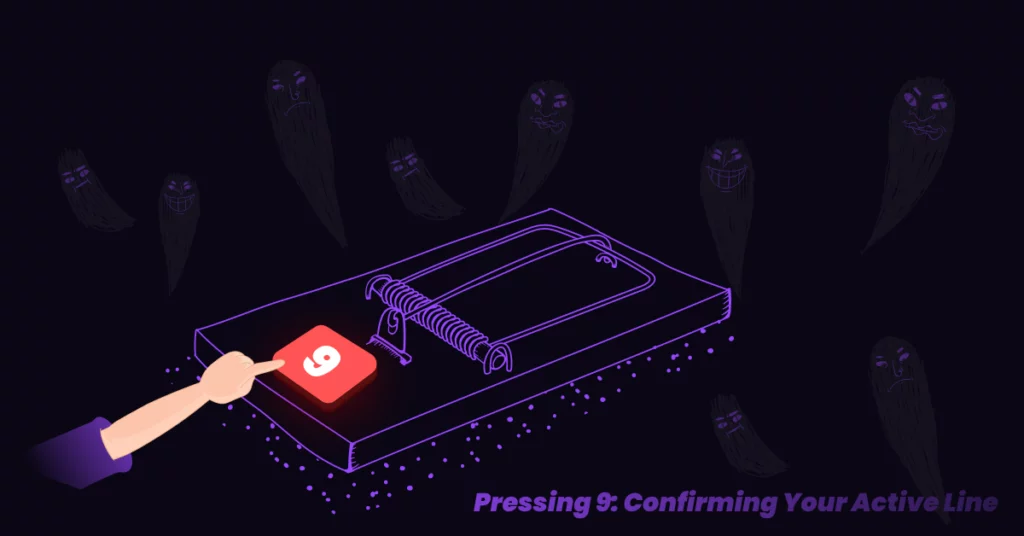
The common claim is that pressing a specific number, often 9, 1, or 2, will immediately remove your number from a company’s calling list. This action is designed to simulate an opt-out process. The misconception that pressing 9 guarantees opt-out is dangerous.
In reality, pressing 9 only works if the telemarketing company has chosen to respect this action. The mechanism is a simple button press recognized by their system. If the telemarketer is a legitimate business attempting to follow telemarketing regulations, pressing the number may flag your number for removal. However, illegal scammers or dishonest organizations may use that key press to confirm your line is active. Pressing 9 is not legally binding under the TCPA or DNC rules. It relies entirely on the honesty of the caller. You have no legal guarantee that the call will stop.
Federal Regulations on Telemarketing
Telemarketing, especially when automated, falls under the strict governance of the Telephone Consumer Protection Act (TCPA). The TCPA is the primary federal law governing automated dialing restrictions, prerecorded messages, and telemarketing calls. Businesses must adhere to its rules regarding consent, timing, and frequency to avoid severe TCPA penalties. Violating these rules can expose a company to significant fines and consumer lawsuits.
Role of Prior Consent
Prior consent is the cornerstone of TCPA compliance. There are two types: express written consent and implied consent. Express written consent, typically required for telemarketing and automated calls, must be a clear, unambiguous agreement by the consumer. Implied consent may apply if you have an existing business relationship (EBR) with the company. Pressing 9 could technically count as a form of communication, but it is too ambiguous to legally constitute express consent. Therefore, it does not legally stop a call if the company claims implied consent or already has valid written consent. The business must be able to prove consent if challenged.
Automated Calls & Robocall Rules
An automated call, or robocall, is defined as a call that uses an automatic telephone dialing system (ATDS) or delivers a prerecorded message. The specific restrictions imposed by TCPA are severe. For most marketing calls, automated dialing restrictions and prerecorded messages are illegal unless the consumer has provided prior express written consent. Penalties for violating automated call rules can be up to $1,500 per violation. Compliance is mandatory when using AI or prerecorded systems. Always be aware of the federal guidelines for stopping unwanted robocalls and texts.
National Do Not Call (DNC) Registry
The National Do Not Call Registry is the most effective legal tool for consumers to stop telemarketing calls legally. This registry, maintained by the FTC, allows consumers to opt out of unwanted telemarketing calls permanently.
The DNC Registry works by placing a legal burden on businesses. Compliant telemarketers must scrub their lists against the registry every 31 days. Calls to registered numbers that do not fall under an exemption can result in massive fines. Exemptions include B2B calls, calls from non-profits, and calls where an existing business relationship exists. However, these exemptions are strictly defined. For businesses, scrubbing their lists is a non-negotiable best practice. For B2B companies, tools for scaling outreach with compliant lists are essential.
State-Specific Telemarketing Laws
Federal laws like the TCPA and DNC set national standards. However, some states, like California, New York, and Florida, have stricter rules than federal law regarding telemarketing. Businesses must ensure they comply with both federal and applicable state telemarketing laws.
States can enforce unique regulations, such as requiring state-specific registration, limiting the number of calls per recipient, or imposing narrower calling windows. These state laws often carry additional penalties for non-compliance. Because the calling window follows the person being called, the number's area code decides which rules apply: our TCPA calling hours calculator checks any number against both the federal and state windows, and the area code directory lists the time zone and current legal calling hours for every US area code. The landscape of state DNC laws and telemarketing regulations is complex. Businesses operating nationally need continuous monitoring to avoid fines. Consumers should know that their consumer protection laws may be stronger at the state level than the federal level.
Legal Remedies and Complaints
Consumers who continue to receive unwanted calls, especially after registering on the DNC list, have recourse. Explain how consumers can report telemarketing violations to the FCC, FTC, or state agencies. The process usually involves noting the caller’s number, the time of the call, and details of the violation.
The potential consequences for businesses that ignore regulations are severe. These include substantial fines, consumer lawsuits (including class-action suits), and enforcement actions by federal and state agencies. The statutory penalty per violation can quickly reach thousands of dollars, emphasizing the importance of phone marketing compliance. Legal action taken by consumer advocates against repeat offenders is a real threat.
Alternatives to Stop Telemarketing Calls
Relying on pressing 9 is risky and unreliable. Consumers and businesses should utilize modern, effective ways to reduce unwanted calls without relying on that vague method. These modern outreach alternatives offer better legal compliance and greater convenience.
Register on the Do Not Call (DNC) List
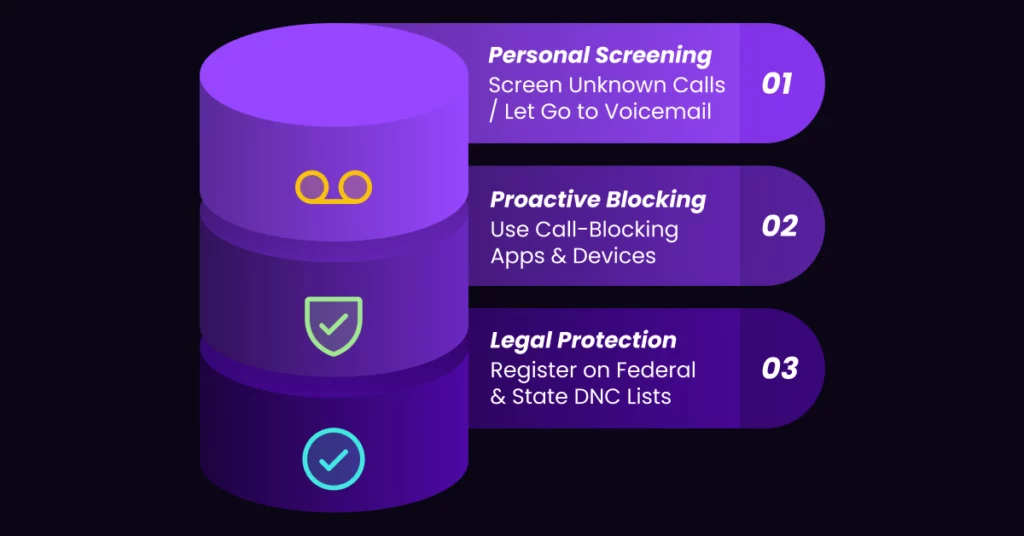
Registering on the federal and state DNC lists is the most powerful legal method to prevent most telemarketing calls. This action legally restricts compliant telemarketers. The process is free and easy, and the registration lasts permanently. Businesses must use a platform with a phone number validator to scrub against these lists, protecting themselves and consumers.
The Do Not Call list only binds honest callers. The fix that holds is to stop handing your real number to forms and listings in the first place: a disposable phone number forwards to the phone you already carry, and you burn it the day it starts ringing. ExpressNumber is built by the same team as VoiceDrop.
Use Call-Blocking Apps and Devices
Describe apps and devices that identify and block telemarketing numbers before they reach the user. Mobile carriers and third-party apps offer sophisticated call-blocking technology. These tools use spam databases to filter out known scam and telemarketing numbers. They complement legal opt-out methods, providing an extra layer of protection.
Screen Unknown Calls
Advise users to ignore or not answer calls from unknown numbers as a simple, effective method to avoid telemarketers. Unanswered calls often go to voicemail, where the consumer can screen them at their convenience. High-quality voicemail screening and spam detection features on modern phones help filter unwanted calls without missing important ones. To find out where an unfamiliar number is from before calling back, look up its area code: it shows the state, the cities it covers, and the local time there.
Alternative Outreach for Businesses
For businesses, compliant alternatives like Ringless Voicemail (RVM), SMS marketing, or email campaigns are better. These modern outreach alternatives allow you to reach prospects without violating telemarketing regulations. RVM, specifically, delivers a pre-recorded message silently, reducing legal risk while improving user experience. Learn about the low-friction method of outreach voicemail drop campaigns.
Tips to Protect Yourself from Telemarketing Scams
Scam calls, unlike legal telemarketing, ignore all robocall rules and DNC lists. Consumers must be proactive to protect their personal information.
Recognize Common Red Flags
Explain the warning signs of scams to help readers identify them. These include requests for payment over the phone using gift cards or wire transfers, urgent threats of arrest or legal action, or suspicious caller IDs (e.g., spoofed local numbers). Never give out personal, financial, or confidential information during an unsolicited call.
Avoid Pressing 9 on Suspicious Calls
Advise readers not to press 9 on calls from unknown or suspicious numbers. This action often confirms an active line to scammers, which can increase the volume of scam calls you receive instead of stopping them. Do not engage with suspicious calls at all.
Use Call-Blocking Features and Apps
Highlight phone features and apps that automatically detect and block potential scam numbers. Mobile carriers have implemented new tools for call-blocking technology. Consumers should use these features in combination with DNC registration for maximum protection. The FCC provides guidance on call-blocking tools.
Report Scams to Authorities
Explain how to report telemarketing scams to the FCC, FTC, or state consumer protection agencies. Reporting is essential. It helps authorities track and reduce scam activity, protecting others from fraud and minimizing the impact of non-compliant calls.
Conclusion: Does Pressing 9 Really Stop Telemarketers?
The short answer is: No, pressing 9 does not guarantee stopping telemarketing calls. Its effectiveness depends entirely on the telemarketer voluntarily honoring the request. For illegal scam calls, pressing 9 can actually increase the number of calls you receive.
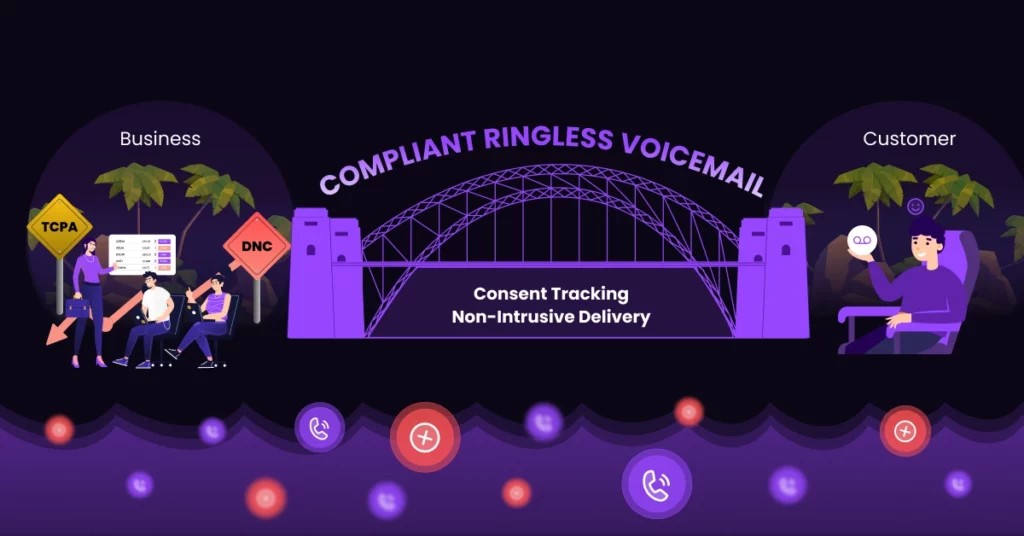
The safest way to stop telemarketing calls legally is by leveraging your legal rights. Register on the National Do Not Call Registry and understand the TCPA and state-specific rules. For businesses, modern outreach alternatives like Ringless Voicemail (RVM) are the best path forward. RVM, used through platforms like VoiceDrop, ensures businesses can connect with customers legally and efficiently, maintaining phone marketing compliance while improving engagement.
Ready to stop gambling on outdated outreach and start reaching prospects compliantly? Adopt the modern solution that respects the customer.
Click here to schedule a demo and see how VoiceDrop enables TCPA-safe, non-intrusive Ringless Voicemail campaigns.
FAQ’s
1. Does pressing 9 stop all telemarketing calls?
No. Pressing 9 only works if the telemarketer voluntarily respects the request. It does not guarantee legal opt-out under the TCPA.
2. Is pressing 9 safe for suspicious calls?
No. Pressing 9 on scam calls can confirm an active number, potentially increasing unwanted calls.
3. How can I legally stop telemarketing calls in the USA?
Register on the National Do Not Call (DNC) Registry, and follow state DNC laws to reduce unsolicited calls.
4. Are automated or AI calls legal?
They are legal only if prior express consent is obtained. Businesses must comply with TCPA and DNC robocall rules.
5. Can state laws help me block telemarketers?
Yes. Some states, like California, New York, and Florida, have stricter telemarketing regulations with additional TCPA penalties.