Create a donor retention communication plan that keeps supporters engaged and increases lifetime giving value.
Think about how much good your group could do if every donor you got stuck with you year after year. In every campaign and annual report, what would it mean to see the same faces over and over again? Donor retention, or keeping the supporters you already have, is the secret to running a successful charity. Too often, though, groups focus on getting new donors and forget to keep in touch with the people who have already said “yes” to their cause.
Strategic communication is what keeps donors coming back. A donor retention communication plan helps charities know how to improve relationships, get people to give more, and turn one-time donors into supporters for life.
Why is keeping donors more important than ever? Some donor thank you letter examples can be a good communication plan, and your group can use them right now.
What Is a Donor Retention Communication Plan?
A donor retention communication plan is a simple yet powerful roadmap for how and when you reach out to the people who support your mission. It’s not just about saying thank you after a donation. It’s about building a relationship, with messages delivered at the right moments to encourage donors to stay involved, give again, and become lifelong advocates.
At its core, a donor retention communication plan aims to:
- Nurture each donor and show appreciation
- Update donors on the outcomes of their support
- Listen to feedback and involve donors in your community
- Increase loyalty, so donors give more over their lifetime
This plan can take many forms-emails, phone calls, mailed letters, text messages, and social media. But the most important part is that it’s intentional and ongoing. Every touchpoint is designed to make supporters feel like part of your nonprofit’s family.
Key Elements of a Strong Donor Communication Plan

There are four vital parts to every successful donor retention communication plan:
1. Consistency and Timing
It’s not enough to send one random message and hope donors will remember you months later. Sending the right message at just the right time is what keeps your nonprofit front and center in your supporters’ minds. The best plans use a “cadence”-a schedule for when messages should go out-without overwhelming busy donors.
For example:
- Welcome message: Immediately after a donor’s first gift
- Thank-you note: Within 48 hours of any donation
- First impact report: One month after their gift
- Quarterly updates: Every three months to share new progress
- Year-end message: Every donor receives one annual gratitude letter
A sample touchpoint calendar keeps everyone on your team aligned and ensures a steady flow of appreciation and engagement.
2. Segmentation Based on Donor Behavior
No donor wants to feel like just a number. With modern tools, you can easily divide your donor list by important data like donation amount, frequency, recency, or cause preference.
For instance, you might send a different message to:
- First-time donors who need extra encouragement
- Recurring donors who value updates on their ongoing impact
- Major donors who deserve personalized contact
- Donors who give to special campaigns
Segmenting your audience helps you send messages that are more likely to be opened, read, and acted on.
3. Personalization at Scale
Including details that are unique to each donor, like their name, last donation, or favorite projec,t can make a huge difference. Personalization shows your nonprofit cares, and it makes every communication feel less like “marketing” and more like a real relationship.
You can personalize messages with the help of your donor database or CRM system. Even a simple mail merge or email automation lets you include:
- Donor names and giving history
- Specific projects they supported
- Milestones, e.g., “Happy first anniversary as a donor!” or “Celebrating your fifth gift!”
4. Multi-Channel Communication
Today’s donors live both online and offline. Some like emails, others pay attention to their mailbox or respond to text messages. A strong plan mixes email, direct mail, phone calls, social media, and SMS to reach people where they prefer, and keeps your nonprofit top of mind.
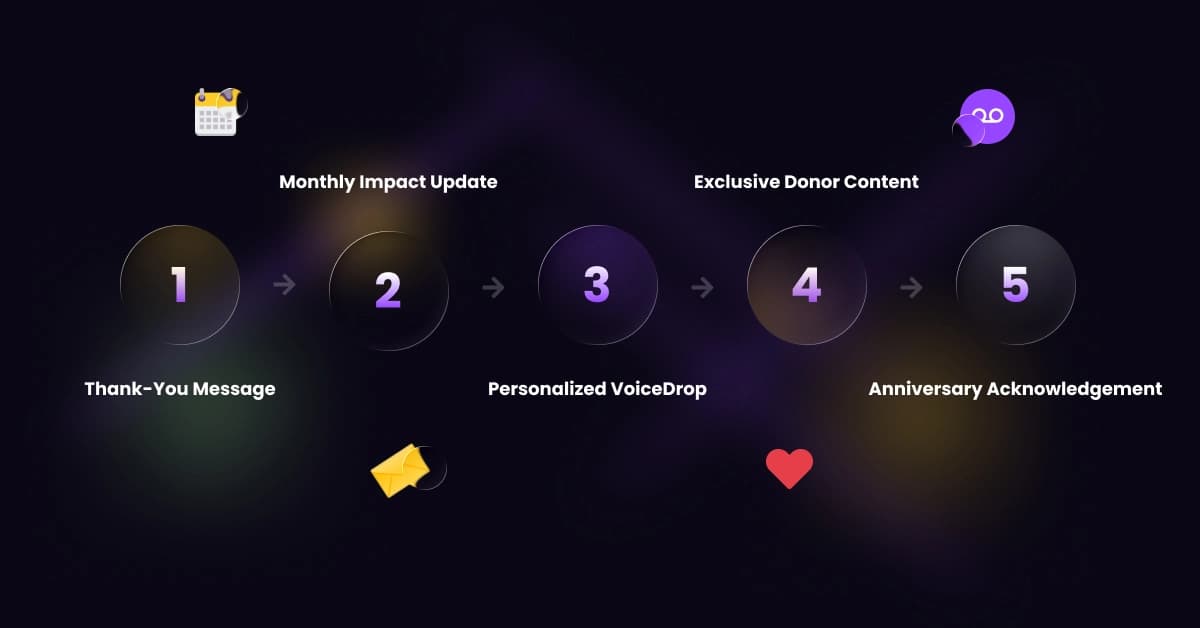
Creating a Donor Journey Map
Imagine you could see your nonprofit through a donor’s eyes, from their very first interaction to becoming a loyal advocate. That’s exactly what a donor journey map does. It outlines every touchpoint a supporter might have, helping you plan communications to keep them moving forward.
A donor journey might look like:
First-Time vs. Recurring Donors
First-time donors and recurring givers have different needs. Someone who just made their first donation should get nurturing messages-lots of gratitude, impact stories, and ways to get more involved. You want them to feel special and to understand your mission deeply.
On the other hand, recurring donors already trust your work. With them, focus less on “selling” your cause and more on sharing ongoing results and appreciation. Recognize their long-term support, celebrate milestones, and give them early access to events or updates. The goal is to keep their loyalty strong and make upgrades easy and natural.
Mapping Touchpoints from Gift to Advocacy
What types of messages should fill your journey map? Here are some examples:
- After a donation, a welcome and thank-you email or mailed letter
- Share how donations were used (photos, stats, or stories)
- Invitation to a survey or in-person/virtual event
- Ask for volunteers, peer-to-peer fundraisers, or to share your story on social media
- An invitation to join an ambassador program or become a recurring donor
Using these touchpoints keeps donors connected and increases the chance they’ll widen their support over time.
Choosing the Right Channels for Communication
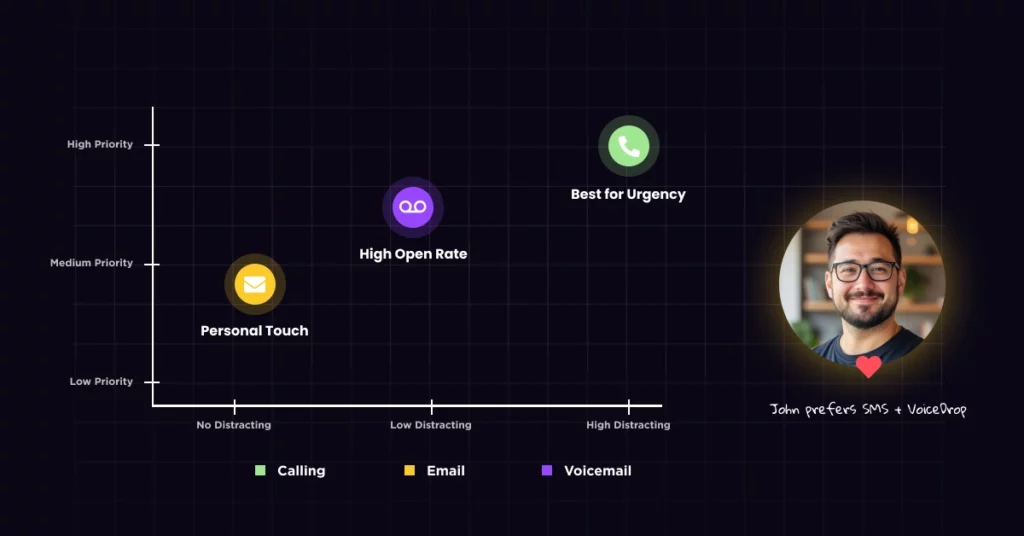
Every donor is different-some check email daily; others never open it. Some respond to texts, while some love a letter in the mail. The best communication plans use several methods to reach everyone in your community.
Email vs. Direct Mail vs. Phone Calls
Email is affordable, instant, and easy to personalize. Use it for most news, quick thank-yous, updates, or event invites.
Direct mail feels more personal and can be kept as a reminder. It works well for annual appeals, special campaigns, and handwritten thank-yous for big gifts.
Phone calls are powerful for making a real connection. Use them to thank donors for major gifts, invite them to events, or gather feedback. A quick “just checking in” call can mean a lot.
Using Social Media and SMS Effectively
Social media is ideal for real-time storytelling, campaign launches, celebrating milestones, or shining a spotlight on supporters. Images, short videos, and donor spotlights keep engagement high.
SMS works for brief reminders, urgent campaigns, or last-minute updates. Texts have very high open rates but should be used thoughtfully and only with donor permission (opt-in).
A modern plan uses a mix of these channels to fit the message and donor preferences.
Crafting Messages That Deepen Donor Relationships
It’s not just how often you reach out-it’s what you say that keeps donors coming back. Great messages are:
Thank-You Communications that Feel Personal
A cookie-cutter thank-you gets ignored. But a message like, “Dear Sam, your $50 gift helped stock three classroom libraries this month-thank you!” grabs attention and builds pride. Try:
- Handwritten notes to major donors
- Personalized videos or voice messages
- Phone calls after large or milestone gifts
Be specific, sincere, and timely every time you say thanks.
Impact Stories and Transparent Reporting
Donors want to see their dollars at work. Regularly share success stories, before/after photos, and real-life updates like “We delivered 200 meals this week, thanks to you!”. If there were challenges, share those too-being open builds trust.
Invitations to Events and Webinars
Events deepen donor involvement and provide another chance to connect. Invite donors to special tours, Q&A sessions, or webinars. Personalize the invite like “Since you gave to our April campaign, we’d love for you to see the work in action this July!”. This creates a sense of belonging and often leads to upgraded giving.
Ideal Communication Timeline for Donor Retention
A smart communication plan is spread out, planned, and easy to adjust based on donor response. Here’s a sample 12-month timeline for first-time donors:
Month 1:
- Triggered thank-you plus a welcome series by email
- Mailed a thank-you for physical gifts or major support
Month 2:
- Share a story about the project or people donors helped
Month 3:
- Invite to a virtual event or share a “behind the scenes” video
Quarterly:
- Send out an update/report with stats, photos, or a donor spotlight
Month 6:
- Check-in survey-ask for feedback and input
Month 9:
- Seasonal update or campaign launch
Month 12:
- Anniversary thank-you, special recognition, and a “look ahead” to next year
For first-time donors, front-load the communications-three to five touchpoints within the first three months is ideal. For recurring or major donors, offer “insider” content, early invitations, or more frequent updates.
Tools and Software to Automate and Personalize Communication
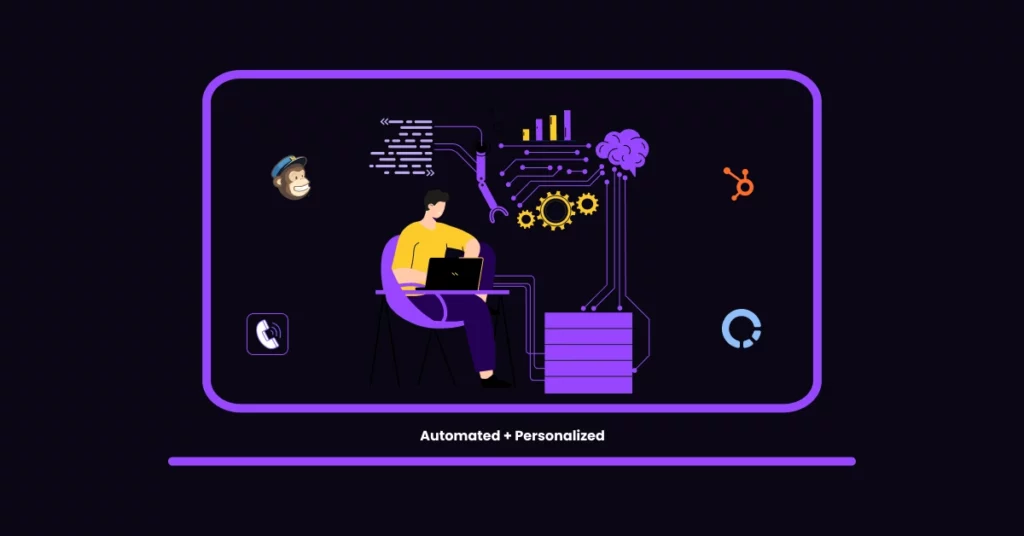
Even small fundraising teams can deliver big, thoughtful experiences, thanks to modern technology. Here are some helpful options:
- Store data, segment donors, track history, and automate messages with Bloomerang, DonorPerfect, and Salesforce Nonprofit Cloud.
- Schedule thank-yous, updates, and impact stories with Mailchimp and Constant Contact.
- Send personalized voicemails to donors without ringing their phones with VoiceDrop. It is perfect for quick thank-yous or reminders. Its automation saves time while keeping messages personal.
- Use event or survey tools to send invites, collect RSVPs, or feedback instantly.
With the right tools, you can create a plan once and let software handle the details, ensuring every donor gets the attention they deserve.
Measuring the Effectiveness of Your Communication Plan
Every plan should be measured and improved over time. Key metrics to watch:
- Donor Retention Rate: What percent of last year’s donors gave again?
- Lifetime Value: Is the average donor giving more over time?
- Open and Click Rates: Are your emails being read and acted on?
- Response Rates: How many donors reply to surveys or attend events?
- Upgrade Rate: Are one-time givers becoming recurring donors or giving more?
Use this data to try new approaches, test new messages (A/B testing), and keep refining your plan.
Common Mistakes to Avoid in Donor Communication
Avoiding pitfalls keeps your donors happy and loyal. Watch for these traps:
Over-soliciting Donations
If every message asks for money, donors will tune out. Mix your communications: include twice as many thank-yous or stories as you do appeals. Make every donor feel like a partner, not just a piggy bank.
One-Size-Fits-All Messaging
Sending the same email to everyone misses an opportunity. Use the segmentation features in your CRM to group donors by type, interest, or history, then customize your content. A message that speaks directly to their motivation is much more likely to connect.
Ignoring Donor Feedback
When donors reply, fill out surveys, or call, be sure to listen! Use their suggestions to make changes in your programs, communications, and even events. Let donors see that their voices are valued and that action is taken.
Final Thoughts: Retain More Donors with Strategic Communication
Keeping your donors starts with a plan, one that’s built on clear messaging, personal touches, and steady, thoughtful engagement. Add new channels like ringless voicemail with VoiceDrop to give every donor a human experience, even at scale.
Donor retention isn’t just a number. It’s the foundation for your nonprofit’s growth, impact, and sustainability. Start with one new strategy this month and keep building. Your supporters, your mission, and your bottom line will all be stronger for it.
Take action now: Map your plan, segment your donors, and start personalizing your communications. Try VoiceDrop to help your team sound big and personal, no matter your budget or staff size. Keep the conversation going and watch your donor community grow!