Convert more mortgage applications with communication techniques that build trust and overcome objections throughout the process.
Are your mortgage applications falling through? In today’s competitive market, clear and effective communication can make or break a deal. Whether you’re struggling with ghosted leads, unclear follow-ups, or hesitant clients, the right approach can dramatically boost your conversion rates.
There are some powerful communication techniques for closing more mortgage loans. These help you connect better, build trust, and close more loans. From crafting persuasive emails to mastering the perfect follow-up call, these strategies for mortage brokers will turn more leads into happy clients.
Ready to refine your approach and increase conversions? Let’s dive in!
Know Your Audience: Tailoring Communication to Borrower Profiles
Understanding who you are talking to is key. Different borrowers have different needs and levels of understanding. For example, first-time homebuyers might need more basic information and reassurance. Investors, however, will likely want more details about return on investment and complex loan structures. Refinancing clients may be most interested in how a new loan saves them money.
Adjusting your tone, messages, and the way you share information makes a big difference. For a first-time buyer, you might use simpler language and focus on guiding them step-by-step. For an investor, you would use more financial terms and provide detailed analyses. This personalized approach makes borrowers feel understood and valued, which increases their trust and comfort with the application process.
5 Communication Techniques for Closing More Mortgage Loans

To further enhance your communication and ultimately convert more mortgage applications, mastering these five techniques is essential. They focus on understanding, clarity, trust, timeliness, and diverse outreach methods.
Technique #1 – Active Listening: Let the Borrower Speak First
Active listening means truly hearing and understanding what the borrower says, not just waiting for your turn to speak. In the mortgage application process, this means paying close attention to their needs, fears, and goals.
For instance, a borrower might mention being overwhelmed by paperwork. An active listener would pick up on this and offer solutions, like explaining how your process minimizes documents or suggesting tools that simplify it.
To practice active listening, ask open-ended questions like What are your biggest concerns about this process? or What do you hope to achieve with this mortgage? After they speak, summarize their concerns to show you understood.
For example, So, if I understand correctly, your main worry is the interest rate fluctuating, and you’re looking for stability? This builds trust and helps you address their exact needs.
Technique #2 – Simplify Complex Information
Mortgage terms can be confusing for many. Words like APR, amortization, and loan terms can sound like jargon. It is your job to break down these terms into simple, easy-to-understand language.
For example, instead of just stating the Annual Percentage Rate (APR), explain it as the total yearly cost of the loan, including fees, beyond just the interest rate. This helps borrowers grasp the full financial picture.
Using visuals, like simple charts or diagrams, can also help explain concepts clearly. Calculators can show them how different loan amounts or interest rates affect their monthly payments. Analogies can make complex ideas relatable; for example, comparing a mortgage to a long-term investment.
Technique #3 – Build Trust Through Transparency
Being open and honest about all parts of the loan process builds strong trust. This includes clearly explaining loan terms, all fees involved, the expected timeline for approval, and what documents are needed.
When you are upfront, borrowers feel more secure and are less likely to pull out of the application. For example, explicitly stating all fees upfront, even small ones, prevents unpleasant surprises later.
Providing a clear timeline, even if it’s an estimate, helps manage expectations. If delays occur, communicate them immediately and explain why. Sharing examples of transparent communication could include giving a detailed breakdown of costs in writing, or walking them through each step of the application process before they even begin. This level of honesty makes borrowers confident in your integrity and the process.
Technique #4 – Follow Up Strategically and Promptly
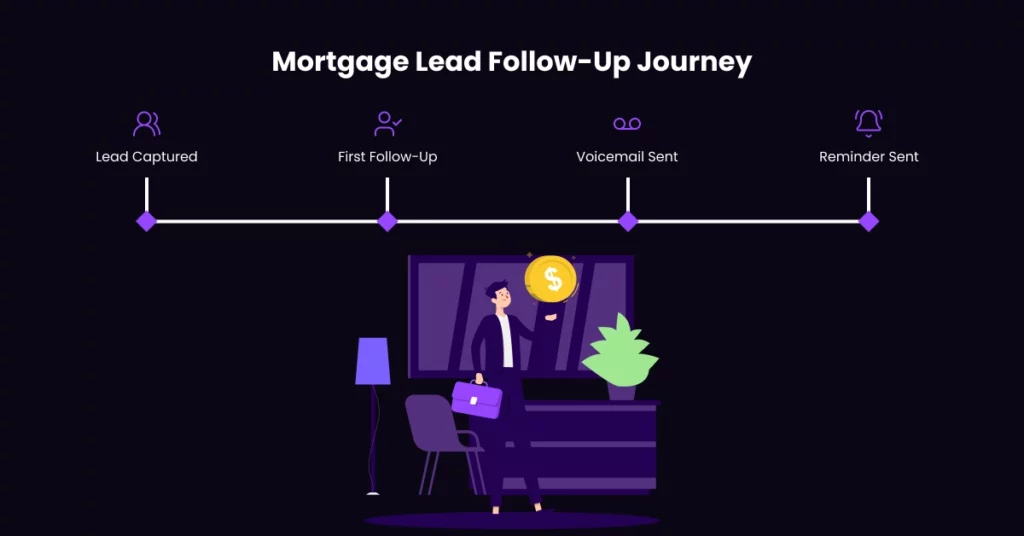
Timely follow-ups are essential. They show professionalism and keep applicants engaged without being overly aggressive. After a meeting or a document submission, a quick follow-up ensures the borrower feels valued and informed. This prevents them from feeling forgotten or confused.
VoiceDrop offers a great solution for automating follow-up boss ringless voicemail while keeping a personal touch. You can send pre-recorded voice messages directly to voicemails without the phone ringing. This method ensures timely, non-intrusive communication that can significantly boost borrower engagement. For example, after an initial inquiry, you could send a ringless voicemail introducing yourself and offering further assistance.
Technique #5 – Use Multi-Channel Communication Wisely
Today, people use many ways to communicate. As a mortgage professional, you should know the best channels to use. Calls are great for detailed discussions, texts for quick updates, and emails for formal documents or longer explanations. Video messages can add a personal touch and build rapport. The key is to use each channel for its strengths.
For instance, VoiceDrop introduces a powerful and unique channel: ringless voicemails. This is perfect for reaching borrowers who might not respond to emails or texts. It delivers your message directly and personally, without interrupting their day. This method is effective for capturing attention and can be particularly useful in campaigns like multi level marketing, where reaching a wide audience efficiently is crucial.
Handling Objections with Confidence and Data

A lot of people who borrow money worry about things like interest rates, their credit score, and the terms of their loans. You should be ready for these arguments and be sure you can answer them well.
You can easily explain current market trends, compare different loan products, and show how different rates affect their long-term costs when a borrower is worried about interest rates.
It’s better to back up your claims with real facts, case studies, or success stories. For instance, if a borrower is worried about their credit score, you can show them how other people with similar scores were able to raise their scores and get better rates.
Giving borrowers accurate and reliable information makes them feel better about their choices and helps them feel reassured. With this method, complaints are turned into chances to teach and gain trust.
Leveraging CRM and Automation Tools for Smarter Conversations
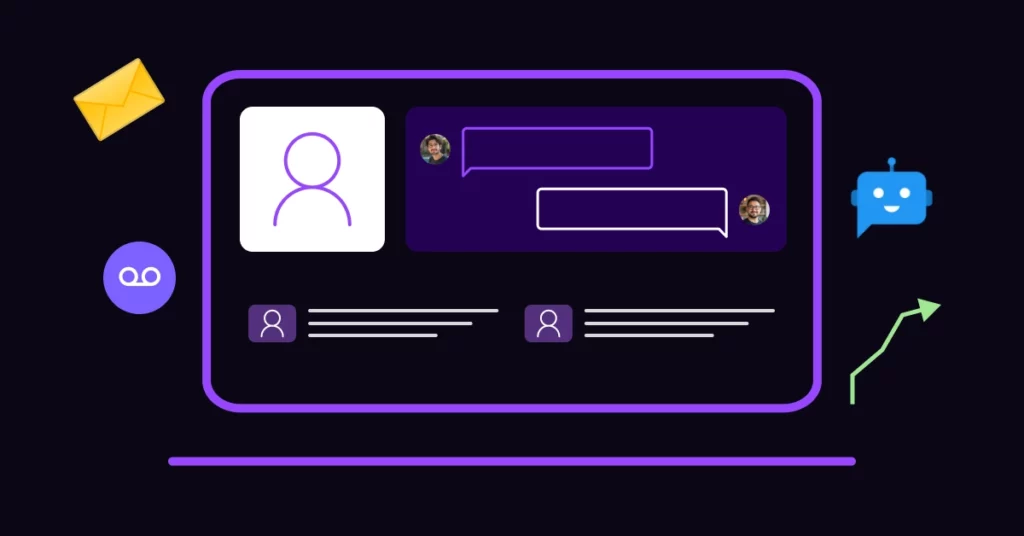
Customer Relationship Management (CRM) systems are powerful tools for mortgage professionals. They help track every interaction with a borrower, including their preferences and where they are in the application process. This detailed history allows you to personalize communication.
For example, if a CRM shows a borrower has repeatedly looked at information about fixed-rate mortgages, you can tailor your next conversation to address that specific interest.
Automation tools, like email sequences or voice drops, ensure consistent follow-ups without requiring constant manual effort. This enhances consistency and keeps the process moving.
VoiceDrop is an example of a smart automation tool that integrates well with CRMs. It can track borrower behavior and automatically trigger personalized outreach, such as a follow-up voicemail after a specific action. This allows for effective outreach voicemail drop campaigns.
Training Your Loan Officers in Communication Psychology
Teaching loan officers about communication goes beyond just what to say. It involves understanding how people think and feel. Training in emotional intelligence helps them pick up on a borrower’s mood or stress levels. Learning about tone control ensures their voice conveys confidence and empathy. Body language awareness helps them read non-verbal cues from borrowers and adjust their approach accordingly.
Practical training methods like role-playing can help officers practice different scenarios and refine their responses. Feedback sessions after real or simulated interactions can highlight areas for improvement. Workshops can focus on understanding borrower behavior and the psychology behind their financial decisions. This kind of training builds stronger relationships and helps loan officers connect with borrowers on a deeper level.
Tracking Communication ROI in Mortgage Applications
It is important to measure how well your communication strategies are working. You can track this by looking at conversion rates, how quickly people respond, and how satisfied borrowers are. For example, if you implement a new follow-up strategy, you should track if more applicants complete their applications and if they respond faster.
Key Performance Indicators (KPIs) can help you measure your communication success. These might include the percentage of leads that convert, average response times from borrowers, and client satisfaction scores from surveys.
Tools for tracking communication ROI provide insights that allow you to adjust and improve your outreach. By regularly checking these metrics, you can refine your strategies and get better results over time.
Final Thoughts: Improve Communication, Close More Loans
Mastering communication is a powerful way to increase mortgage application conversion rates. By understanding your audience, actively listening, simplifying complex information, being transparent, and following up strategically, you build strong relationships with borrowers.
Using tools like VoiceDrop can help you streamline follow-ups and personalize interactions at a large scale. This allows loan officers to close more deals with less effort. Investing in better communication means investing in the success of your loan office. Get a demo now!