
A Beginner’s Guide to Voicemail Marketing and How Businesses Use It
Have you ever missed a call, then listened to the voicemail right away? Your customers do the same. Now imagine using that habit as a marketing channel. That is where voicemail marketing comes in. Instead of chasing people with endless live calls, you leave short, focused voice messages that they can hear on their own time. It feels personal, but it also scales.
Many teams still rely only on email or cold calls and then wonder why response rates are low. Are your sales reps burning time dialing numbers that never pick up? Are your recruiters sending emails that stay unread? Are you looking for a simple way to follow up, remind, and nudge people without being pushy? Voicemail marketing can help with all of this.
In this guide, we will walk through what voicemail marketing is, how it works, the main types, and where it performs best. You will see examples from sales, real estate, customer service, recruitment, and political outreach. We will also cover common mistakes, legal rules, and the voicemail marketing tools that make everything easier. Along the way, we will highlight how a platform like VoiceDrop gives you a simple, automated voicemail system you can plug into your current outreach.
What Is Voicemail Marketing?
Voicemail marketing is a simple idea. Instead of trying to talk to every contact live, you send a short voice message straight to their voicemail inbox. You can do this one-to-one or at scale using automated voicemail systems. It is a form of voice message marketing that supports your email, SMS, and calling efforts.
The goal is not to replace your other channels. The goal is to make them work better. A clear, human voice builds trust and stands out in a noisy inbox. With a good voicemail marketing strategy, you can remind people about offers, follow up after meetings, confirm appointments, and warm up cold leads before a sales call.
Many teams use voicemail marketing because it is faster and less disruptive than traditional cold calling. People can listen when they are free, and they already expect to check voicemail. Studies comparing voicemail marketing vs cold calling show that combining both often leads to better results than calls alone. You can read more about this comparison in this guide from DataMasters: Voicemail Marketing vs Cold Calling 2025.
How Voicemail Marketing Works
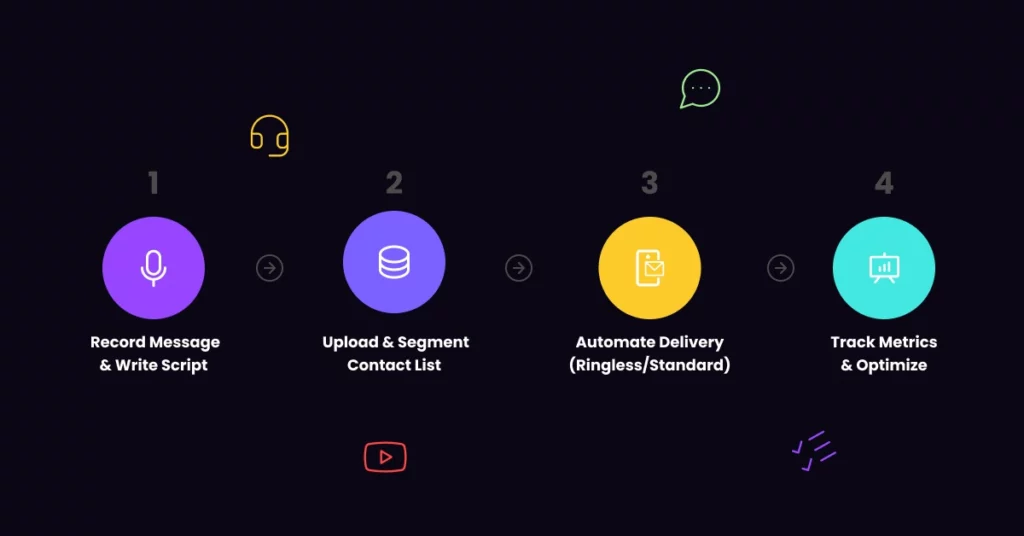
At a high level, voicemail marketing follows a simple flow. First, you create or upload your message. Then, you select the right contact list. Next, you use automated tools to deliver the message at scale. Finally, you track performance and adjust your campaigns.
Most teams start by writing a short script. They record it in a tool like VoiceDrop’s voicemail marketing system. Then they connect their CRM or upload a list of contacts. Smart segmenting helps send the right message to the right people.
Once the list is ready, you schedule your campaign. An automated voicemail platform can send messages during set time windows and across time zones. Some tools use ringless voicemail, so the phone does not ring, but the message still appears in the inbox. After delivery, you view key metrics like delivery rate, callback rate, and conversions. Over time, these insights help you refine scripts, timing, and targeting for better results and higher callback rates.
Recording or Uploading Your Message
The first step is to craft a clear, natural message. You can record it directly in your voicemail marketing tool or upload an audio file. The script should sound like a real person, not a robot. Say who you are, why you are calling, and what you want the listener to do next.
Keep the message short. Most effective voicemail marketing messages run 20 to 30 seconds. Focus on one key point, such as a reminder, a follow-up, or a simple offer. Avoid jargon and complex language. Speak at a steady pace and smile while you talk. That warmth carries through the recording.
Many teams test two or three versions of the same message. They change the opening line or the call to action, then compare callback rates. Over time, this simple testing process leads to better Sales Follow-up Campaigns and stronger engagement.
Uploading or Selecting Your Contact List
Next, you choose who should receive your voicemail campaign. Most businesses pull contacts from a CRM, import a spreadsheet, or connect marketing tools to sync data automatically. The key is segmentation. The more focused your list, the more relevant your message feels.
You might create segments based on deal stage, product interest, last interaction date, or location. For example, you can send one message to new leads, another to inactive customers, and a different one to upcoming appointment holders. This targeted approach turns voicemail into a smart lead generation channel rather than a one-size-fits-all blast.
Always clean your list before a campaign. Remove wrong numbers, duplicates, and people who opted out. Good data protects your brand, helps with compliance, and improves your engagement metrics.
Delivering Voicemails Using Automated Tools
Once your message and list are ready, automated tools handle delivery. With ringless voicemail technology, the phone may never ring, yet the voicemail appears in the inbox. Traditional voicemail drops can also be automated, but they do involve a call to the device.
Automation lets you send thousands of messages in a short time. You can schedule campaigns for specific days and hours, align with each contact’s time zone, and avoid early morning or late-night sends. Platforms like VoiceDrop make it easy to manage multiple voicemail campaigns at once.
Because the process is automated, your team spends less time dialing and more time talking to people who actually respond. This shift boosts productivity and gives your reps more live conversations with warm leads.
Tracking Delivery and Callback Metrics
The final step is measurement. Good voicemail marketing tools show you how many messages were delivered, how many numbers were invalid, and how many callbacks you received. Callback rate is one of the strongest indicators of campaign success.
You can also track follow-up actions such as booked calls, replies, or completed forms. Platforms like VoiceDrop’s callback optimization tools help you understand which scripts and send times drive the best response. Over time, this data guides your voicemail marketing strategy.
With proper tracking, voicemail becomes a repeatable process, not a guessing game. You start to see patterns: certain segments respond better, some time windows work best, and specific phrases trigger more callbacks. You can then refine each new voicemail campaign based on what you learned.
Types of Voicemail Marketing (Ringless vs. Traditional)
There are two main approaches to voicemail marketing. One uses ringless voicemail, where the phone does not ring. The other uses standard voicemail drops, which happen during regular calls. Many businesses now also use automated voicemail platforms that support both methods.
Both types aim to get your message into the voicemail inbox, but the user experience feels different. Ringless voicemail is quiet and non-intrusive. Traditional voicemail still involves a ring or missed call. Your choice depends on your audience, your goals, and your compliance strategy. Some teams mix both styles to cover different stages of their outreach.
You can read more about the benefits of these methods in resources like VoiceDrop’s ringless voicemail marketing guide and general articles on voicemail marketing vs cold calling.
Ringless Voicemail Overview
Ringless voicemail sends a message straight to the voicemail server without triggering a live ring on the phone. The contact sees a new voicemail notification, but they do not experience a call attempt. This approach feels more respectful because it does not interrupt meetings, commutes, or family time.
Brands like Ringless Voicemail because it tends to get high listen rates. People are curious when they see a new voicemail, especially from a local or known number. When used well, ringless voicemail helps with gentle reminders, follow-ups, and political outreach.
To explore this type of voicemail marketing in more depth, you can review VoiceDrop’s ringless voicemail marketing page, which explains use cases and best practices.
Standard Voicemail Drops
Standard voicemail drops work like regular phone calls. The system dials a number. If there is no answer, it leaves a voicemail. This can be done manually or through an automated dialer. You still get voicemail coverage, but the phone will ring first.
This method is useful for teams that already use outbound calling and simply want to make sure every missed call leaves a consistent message. It works well for smaller lists or higher-intent leads, where a ring may still be welcome.
Tools such as VoiceDrop’s ringless voicemail drop solution and other voicemail drops platforms let you blend both call-based and ringless approaches when planning campaigns.
Automated Voicemail Platforms
Automated voicemail platforms bring everything together. They offer recording tools, list management, scheduling, and analytics in one place. They also add features like dynamic fields to personalize messages with the contact’s name or company.
These platforms support automated voicemail campaigns, so your team does not have to dial numbers one by one. Many integrate with CRMs, marketing tools, and sales engagement platforms. Some even use smart routing and Ringless voicemail AI features to optimize delivery.
If you want a deeper dive into these solutions, you can explore tools like VoiceDrop’s voicemail marketing system.
Benefits of Voicemail Marketing for Different Industries
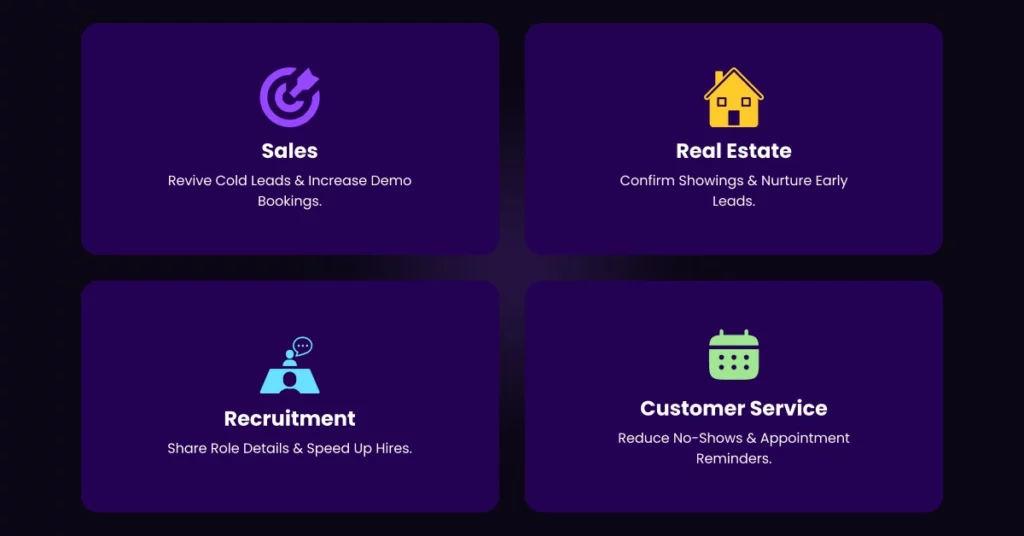
Voicemail marketing works across many industries, sales, real estate, healthcare, recruitment, and politics. It saves time, reaches more people, and still feels personal. Adding a real voice on top of email and SMS builds trust and makes your message harder to ignore.
Sales & Lead Generation
Sales teams use voicemail to follow up on demos, revive cold leads, and remind prospects about offers. A short, human message before or after an email helps you stand out and often increases response and booking rates.
Real Estate Follow-Ups
Agents use voicemail to quickly respond to inquiries, open house sign-ins, and form leads. Mentioning the property and next steps makes buyers feel looked after. It’s also ideal for reminding clients about showings, deadlines, and paperwork.
Customer Service & Reminders
Customer service teams send voicemail reminders for appointments, schedule changes, and service updates. Hearing a real voice reduces confusion, cuts no-shows, and reassures customers more than email alone.
Recruitment & Hiring
Recruiters use voicemail to share role details, confirm interviews, and re-engage past candidates. Many people ignore unknown calls but listen to short voicemails about relevant jobs, which speeds up responses and hires.
Political Outreach
Campaigns use voicemail to share event info, get out the vote, and encourage donations. Ringless voicemail lets them reach thousands of people quickly, with tailored messages for voters, volunteers, and donors.
To see how a dedicated platform supports political voicemail campaigns, you can review VoiceDrop’s ringless voicemail for political campaigns.
Examples of Successful Campaigns
Seeing voicemail marketing in action makes it easier to design your own campaigns. Below are a few simple examples that show how different teams use voicemail to drive results. These are based on common patterns from sales, real estate, recruitment, and customer success.
Across all of them, you will notice a few key traits. Messages are short. They sound human. They have a clear call to action. They also sit inside a broader outreach plan that includes email, SMS, or follow-up calls. This combination turns voicemail into a consistent part of your customer journey.
Sales Follow-Up Campaign
A software company had a list of trial users who never booked a demo. The sales team created a short voicemail script inviting them to schedule a quick call. They used an automated platform to drop the message into each user’s voicemail inbox.
Within a few days, the team saw a clear lift in callbacks and reply emails. The voicemail referenced a recent trial activity, which made the message feel personal. When combined with reminder emails, this campaign improved booking rates and shortened the sales cycle.
This type of result is common when voicemail supports broader sales sequences, as covered in many voicemail marketing guides.
Real Estate Lead Nurturing
A real estate team collected leads from open houses and online listings. Many leads were early in their search and not ready to commit. The agents launched a voicemail campaign that checked in once a week with market updates and new listing invites.
The messages were short and friendly. They always ended with a clear action, such as “Call or text me if you want to see this property.” Over time, more leads reached back out when they were ready to move forward. The team booked more showings and built stronger relationships without spending hours on manual calls.
Recruitment Outreach Campaign
A staffing firm needed to fill several urgent roles. Email outreach alone was not getting enough responses. The recruiters decided to add voicemail to their process. They recorded a simple message that highlighted the job type, location, and next step.
They sent ringless voicemails to past candidates who had similar skills. Many candidates listened during breaks and called back or replied by text. This mix of email plus voicemail helped the firm reach response targets and fill positions faster than previous campaigns.
Customer Reminder Campaign
A healthcare clinic struggled with missed appointments. Text and email reminders helped, but some patients still forgot. The clinic added a ringless voicemail reminder the day before each appointment. The message confirmed the time and offered an easy way to reschedule.
Over the next few months, no-show rates dropped. Patients appreciated the clear, human reminder, especially older patients who preferred voice communication. This approach is similar to the “reminder advertising” method described in this article on growing your business with reminders.
Common Mistakes to Avoid
Voicemail marketing fails when messages are too long, too generic, badly timed, or lack a next step. The fix is simple: keep it short, personal, well-timed, and always include a clear action.
Leaving Messages That Are Too Long
People skip long voicemails. Keep yours to 20–30 seconds. Say your name, company, why you’re calling, and exactly what you want them to do next.
Not Personalizing the Message
Generic voicemails feel like spam. Mention the person’s name, company, or last interaction so the message sounds meant for them, not just a mass blast.
Poor Timing or Irregular Scheduling
Even a good message fails if it lands at a bad time. Use your platform’s scheduling tools to send during business hours, at a steady but respectful pace, and test which days and times perform best.
No Clear Call to Action
If you do not clearly ask for the next step, most people will do nothing. Always end with a simple CTA, like “Call me back,” “Reply to my email,” or “Book a time using the link I sent.”
Compliance and Legal Considerations
Voicemail marketing must follow laws and regulations. If you ignore these rules, you risk complaints, fines, and damage to your brand. The main areas to watch are consent, identification, calling times, and opt-out handling.
In the United States, the key law is the Telephone Consumer Protection Act. Many teams refer to its TCPA guidelines when planning campaigns. Similar rules may apply in other regions. Even when not strictly required, it is good practice to treat contacts with respect and transparency.
Below, we cover the basics: TCPA, opt-in rules, and practical ways to reduce legal risk. This is not legal advice, so you should always consult your own counsel when designing campaigns.
TCPA Guidelines
The Telephone Consumer Protection Act (TCPA) controls how businesses use phone calls, texts, and certain automated messages. It covers both live calls and some forms of automated or prerecorded messaging.
Key points include gaining proper consent before sending marketing messages, clearly identifying who is calling, and respecting allowed calling hours. The law also requires honoring opt-out requests. Violations can lead to large fines and lawsuits.
If you use ringless voicemail or automated systems, work with providers who understand TCPA and design their platforms with compliance in mind. Many vendors share detailed resources, such as The Leads Warehouse’s overview of ringless voicemail marketing and Salespype’s guide to ringless voicemail.
Opt-In Rules
Opt-in means people have agreed to receive your messages. For marketing voicemails, you should collect clear consent. This can happen through web forms, event sign-ups, or account settings where users choose to receive updates by phone.
There is a difference between express consent and implied consent. Express consent is direct and clear, such as ticking a box that says “Yes, you may contact me by phone.” Implied consent might come from an existing business relationship, but it is safer to seek explicit permission for marketing campaigns.
Store records of when and how each contact opted in. This helps prove compliance if questions arise later.
How to Avoid Legal Risks
To reduce risk, build compliance into your process. Use clear opt-in methods, keep consent logs, and make it easy for people to opt out. Train your team on basic rules and review scripts for honesty and clarity.
You should also choose voicemail marketing tools that support compliance. Look for platforms that manage opt-outs, respect quiet hours, and track consent. Solutions like VoiceDrop focus on making compliant outreach easier so you can run campaigns confidently.
Tools and Software for Voicemail Marketing
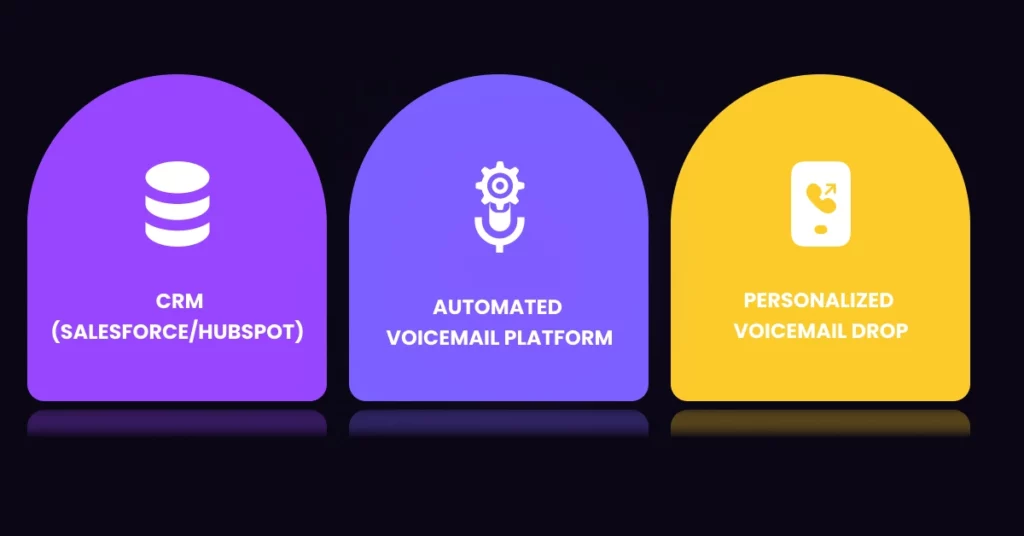
The right voicemail marketing tools turn a manual process into a scalable channel. Instead of dialing and leaving messages one by one, your team can plan campaigns, schedule drops, and view results from a single dashboard.
Good tools help you automate delivery, personalize content, and track performance. They also integrate with your CRM and other systems, so you do not have to juggle multiple spreadsheets. Platforms such as VoiceDrop’s voicemail marketing system, and others offer this kind of end-to-end workflow.
Key Features to Look For
When choosing a tool, start with core features. Look for bulk voicemail drops, support for ringless voicemail, and easy recording or upload options. Personalization features (such as inserting a first name) help messages feel tailored.
Strong scheduling controls are also key. You should be able to set send windows, manage time zones, and pause campaigns quickly. Finally, look for built-in compliance protections like opt-out management and quiet-hour settings. These features save time and reduce risk.
Automation Capabilities
Automation is what makes voicemail marketing truly scalable. A good platform can send thousands of messages with just a few clicks. It can also trigger voicemails based on events, such as a form submission or a change in lead status.
Advanced systems support drip sequences that combine email, text, and voicemail steps. Some, like VoiceDrop, offer smart delivery options aligned to each contact’s time zone. This level of automation keeps your outreach consistent without overwhelming your team.
Tracking & Analytics
Without analytics, you cannot improve. Look for dashboards that show delivery, invalid numbers, callback rates, and downstream actions like booked meetings. Over time, these metrics reveal which scripts, lists, and send times work best.
For example, you may learn that Monday morning messages perform poorly, while Wednesday afternoon campaigns get strong responses. Or you might find that shorter scripts beat longer ones. With this insight, you can refine each new campaign, turning voicemail into a reliable, data-backed channel.
Integrations with CRM
CRM integrations keep your data clean and your team aligned. When your voicemail platform connects to tools like HubSpot, Salesforce, or Close, you can sync contacts, log activities, and view results in one place.
This avoids double entry and makes reporting easier. Reps can see which contacts received voicemails, who called back, and which deals moved forward. Tools like VoiceDrop focus on simple, reliable integrations so you can plug voicemail into your current sales or marketing stack with minimal setup.
Optimization Checklist
Use this quick checklist before every voicemail campaign:
- Confirm that all contacts have valid numbers and proper consent
- Segment your list by stage, industry, or engagement level
- Write a script that is clear, friendly, and 20–30 seconds long
- Include a single, strong call to action (call back, reply, or book)
- Record audio in a quiet place and test sound quality
- Choose send windows that match each contact’s time zone
- Set limits on how often you send messages to each contact
- Enable tracking for delivery, callbacks, and follow-up actions
- Review TCPA guidelines and your internal compliance rules
- Test a small batch first, then scale once results look good
Conclusion & Next Steps
Voicemail marketing gives businesses a simple, human way to reach people at scale. It blends the warmth of a real voice with the efficiency of modern automation. When combined with email, SMS, and calling, it turns one more channel into a steady source of engagement, callbacks, and conversions.
You learned what voicemail marketing is, how it works, and how ringless voicemail differs from traditional drops. You saw how sales, real estate, recruitment, customer service, and political outreach teams use it every day. You also walked through common mistakes, legal basics, and the role of modern voicemail marketing tools.
If you want to put these ideas into action, start small. Choose a single segment, write a short script, and run a test campaign. Then refine, scale, and repeat. When you are ready to move beyond manual calls, explore how VoiceDrop can help you launch and optimize voicemail campaigns in minutes.
Ready to see voicemail marketing in action? Try a live demo of VoiceDrop and learn how to send ringless voicemails, increase callback rates, and streamline your outreach. Book your demo now and turn your next voicemail campaign into a clear, repeatable growth channel.
FAQ’s
Is ringless voicemail legal in the United States?
Ringless voicemail is legal when used responsibly and in compliance with TCPA guidelines. Your audience must have consent (opt-in), and messages must avoid misleading or harmful content.
How long should a voicemail marketing message be?
The ideal voicemail is 20–30 seconds; clear, concise, and action-oriented.
What industries benefit the most from voicemail campaigns?
Industries like real estate, sales, recruitment, political outreach, healthcare, and service-based businesses often see strong response rates.
What’s the difference between ringless voicemail and traditional voicemail drops?
Ringless voicemail sends a message directly to the inbox without ringing the phone, while traditional voicemail drops a call to the phone and sends the message after the ring.
Can voicemail campaigns be automated?
Yes. Most modern voicemail platforms such as VoiceDrop.ai, offer automation for scheduling, list uploads, tracking, and follow-ups.