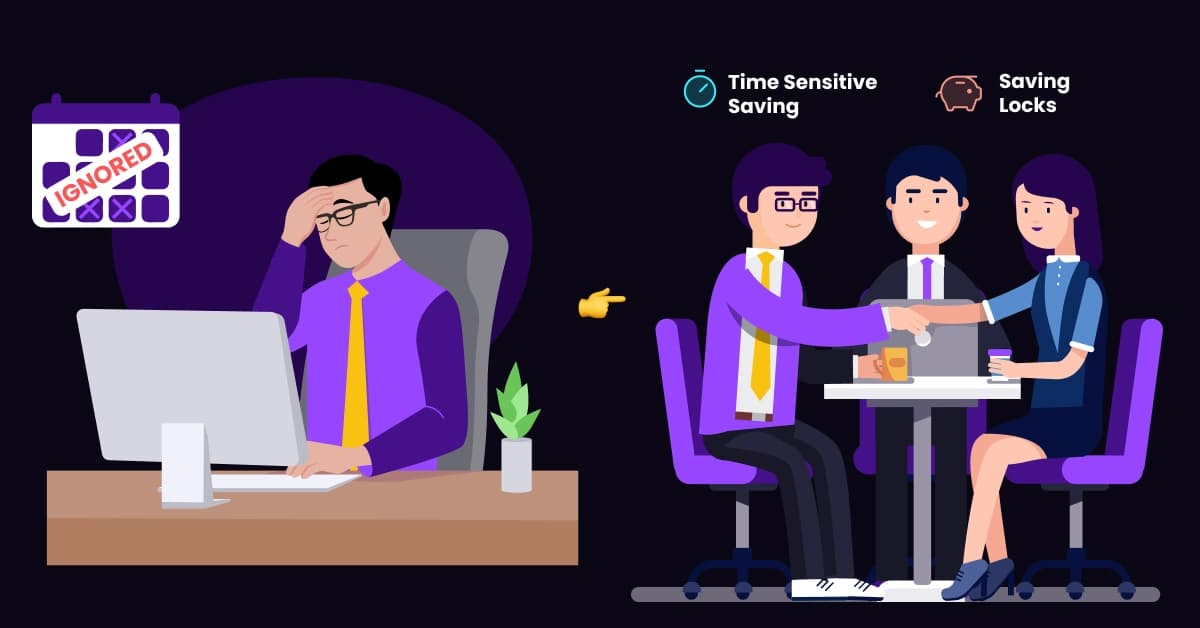
The “Annual Review” call is where sales souls go to die. You dial, you leave a polite voicemail, and you get… silence. Why? Because your clients hear “Annual Review” and translate it to “Sales Pitch.” They dodge you because they think you are coming for their wallet.
You don’t need a better script; you need a better reason to call. The “Half-Birthday” (or Insurance Age change) isn’t just a random date; it’s a legitimate financial deadline. It flips the script entirely. Instead of asking for a meeting, you are notifying them of a price hike. This allows you to stop selling and start “saving them money” before the clock strikes midnight on their premiums.
The “Ghosting” Epidemic in Policy Reviews
You need to diagnose the silence before you can cure it. Clients aren’t just busy; they are skeptical.
The “Set It and Forget It” Mentality
Clients treat life insurance like a crockpot: set it and forget it. They don’t realize that a marriage, a new baby, or a change to a mortgage has rendered their old policy obsolete. They think the job is done, but their risk exposure has grown.
Fear of the Sales Pitch
Furthermore, clients often assume that a “Policy Review” is just industry code for “I want to earn more commission.” This skepticism creates a defensive barrier before you even say hello. Therefore, you need to dispel this belief immediately by offering value unrelated to buying a new product.
The Cost of Silence
Unfortunately, this silence has real-world consequences. Skipping regular reviews often leads to lapsed policies due to missed payment updates, outdated beneficiaries that cause legal nightmares, and lost revenue for the agent. Maintaining communication is vital for the health of the policy and the agency.
🔍 Client moved or changed numbers? Don’t lose the policy. Find their current mobile number here in seconds. 1Lookup is built by the same team as VoiceDrop.
Understanding “Insurance Age” vs. Actual Age
The secret to this strategy lies in a technical underwriting concept that most policyholders are completely unaware of.
The “Nearest Age” Rule
In the eyes of many carriers, your client isn’t their actual age; they are their “Nearest Age.” If they are six months and one day past their birthday, congratulations, they are now one year older. Check the definition of insurance age to see how this rounding up triggers permanent price hikes.
The Price Hike Reality
To illustrate, consider the difference between buying a policy at age 39 versus age 40. While it seems like a small gap, the difference in monthly premiums over a 20-year term can be significant. By waiting just one day past their half-birthday, a client could inadvertently lock themselves into a higher-rate tier for decades.
The “Good Guy” Signal
When you call to warn them about this, the dynamic changes instantly. You aren’t a salesperson trying to hit a monthly quota; you are a trusted advisor trying to beat a deadline. This shift transforms you into the hero who protects them from unnecessary costs.
Step 1: Mining Your Book of Business
You cannot execute this strategy efficiently if you are manually scanning files. You need organized data to identify the right people at the right time.
Exporting by Birth Month
Start by guiding your team to pull a list from your CRM, such as AgencyBloc or Salesforce. You specifically need a list of every client whose birthday was exactly six months ago. For example, if it is currently January, you should be targeting clients born in July.
Validating Contact Info
Before you send time-sensitive alerts, you must ensure the phone numbers in your system are active mobile lines. If you send a text or ringless voicemail to a landline or a disconnected number, the urgency is lost. Therefore, checking 1Lookup Data Coverage is a smart move to verify client contact info before sending time-sensitive age alerts.
Prioritizing “Convertible” Term Policies
While all clients matter, you should highlight that clients with Term policies nearing expiration should be at the top of the list. Because their age impacts conversion rates the most, they have the most to lose by missing this deadline.
Step 2: Crafting the “Rate Protection” Scripts
Once you have your list, the next step is the message. The tone must be strictly “Service Notification,” devoid of sales pressure.
The Voicemail Script
“Hi [Name], it’s [Your Name]. A bit weird, but I’m calling to wish you a happy half-birthday. In the insurance world, your age rounds up next week, and I wanted to check your rates before they lock in at the higher age. Give me a call back if you want to review the numbers.”
The Soft Close
“If you’re happy with your coverage, no need to call back. But if you wanted to look at that term conversion we talked about, we need to do it by Friday to save you money.”
The “No-Pressure” Psychology
Notice that the script explicitly permits them not to call back. Paradoxically, this “pull-away” technique increases callback rates by removing the pressure. It signals that you are busy and helpful, not desperate for a sale.
Step 3: Automating the Outreach with VoiceDrop
If you have a large book of business, you cannot afford to stare at a calendar every day. Scaling this requires automation.
The “Set-It-And-Forget-It” Loop
Ideally, you should set up an automation that uses a “Birthday + 6 Months” trigger to schedule the drop automatically. This ensures that every client gets a personalized touchpoint exactly when it matters most, without you lifting a finger.
Why Audio Beats Text
Complex concepts like “Insurance Age” are difficult to explain in a short SMS. A text message might look like spam, but a voicemail allows you to use your tone to sound helpful and authoritative. Ringless voicemail marketing lets you deliver this complex message personally at scale, ensuring the client hears your voice.
Managing Volume
If you have 1,000 clients, you likely have around 80 half-birthdays every month. Calling them manually would take hours, but automation handles this flow effortlessly, dripping calls out so your team can handle the callbacks comfortably.
Transforming the Review into Revenue
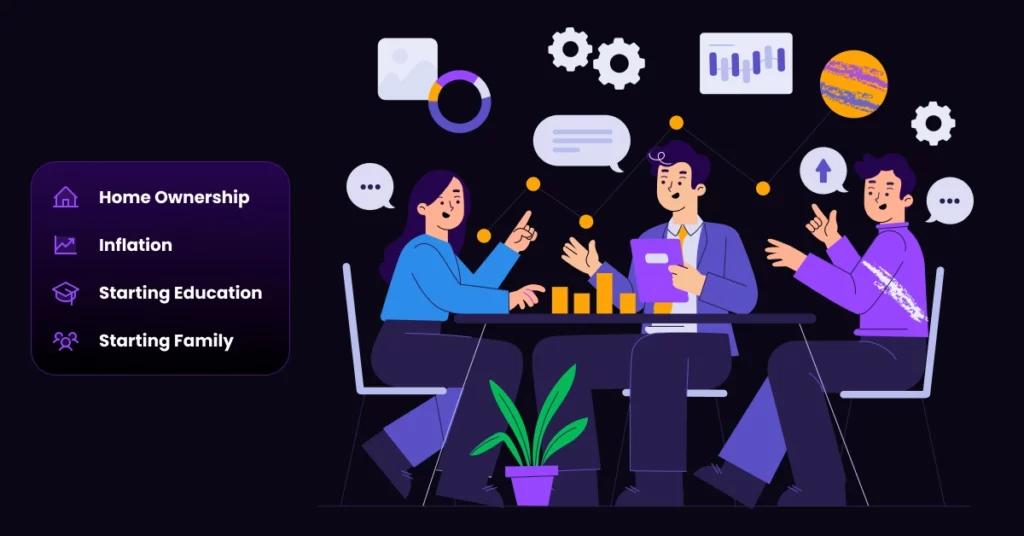
Once the client calls back to “protect their rate,” how do you pivot to a sale without being pushy?
The Beneficiary Audit
Start with the basics by asking, “Did you get married, divorced, or have a kid?” This is a non-threatening compliance question, but the answer often reveals a massive need for additional coverage.
The Inflation Talk
Next, remind them that $500,000 in coverage ten years ago doesn’t buy the same amount of security today due to inflation. Frame it as a “purchasing power” update rather than an upsell.
Spotting the “Gap”
Finally, support your recommendations with data. According to LIMRA statistics, there is a significant “Coverage Gap” where most people believe they are underinsured. Showing them where they stand compared to national averages can motivate them to act.
Integrating with Your Tech Stack
To make this truly passive, technical execution is key.
Connecting via Zapier
You can connect your insurance CRM (like AgencyBloc) to VoiceDrop so that client data flows automatically. When a birth date matches the criteria, the contact is pushed to the campaign.
Tagging for Follow-Up
If a client replies, it is important to know how to handle them. You should tag them as a “Hot Lead” if they are interested in conversion, or “Maintenance Only” if they just want to confirm details. You can manage these flows through VoiceDrop Integrations to keep your pipeline organized.
Compliance and Best Practices
As with any marketing strategy, keeping the agent safe is a priority.
Existing Business Relationship (EBR)
Since these are your current clients, you generally have permission to contact them about their policy status. This is different from cold calling; it is considered account servicing, which gives you more leeway under regulations.
DNC Scrubbing
However, even with clients, you must respect opt-outs. If someone has explicitly asked to be removed from your list, VoiceDrop’s filter ensures you don’t accidentally annoy them, protecting your reputation.
Conclusion
The “Annual Review” is dead. Long live the “Rate Lock Review.”
You have two choices: You can keep chasing clients who don’t want to talk to you, or you can provide a hard deadline that saves them money and makes them call you. The Half-Birthday Hack automates your retention, protects your book from competitors, and positions you as an expert.
Ready to automate your retention? Start Your Free Trial
FAQs
What is a life insurance policy review?
It is a comprehensive check-up to ensure your coverage amount, designated beneficiaries, and policy type still match your current life needs and financial goals.
Does insurance age always round up?
Not always. Some carriers use “Actual Age,” but many use “Age Nearest,” making the half-birthday a critical date to check to avoid unexpected price jumps.
Can I send this message to clients who only have small policies?
Yes, absolutely. Small policyholders often have the biggest need for upsells as their life situation changes, such as buying a home or having children.