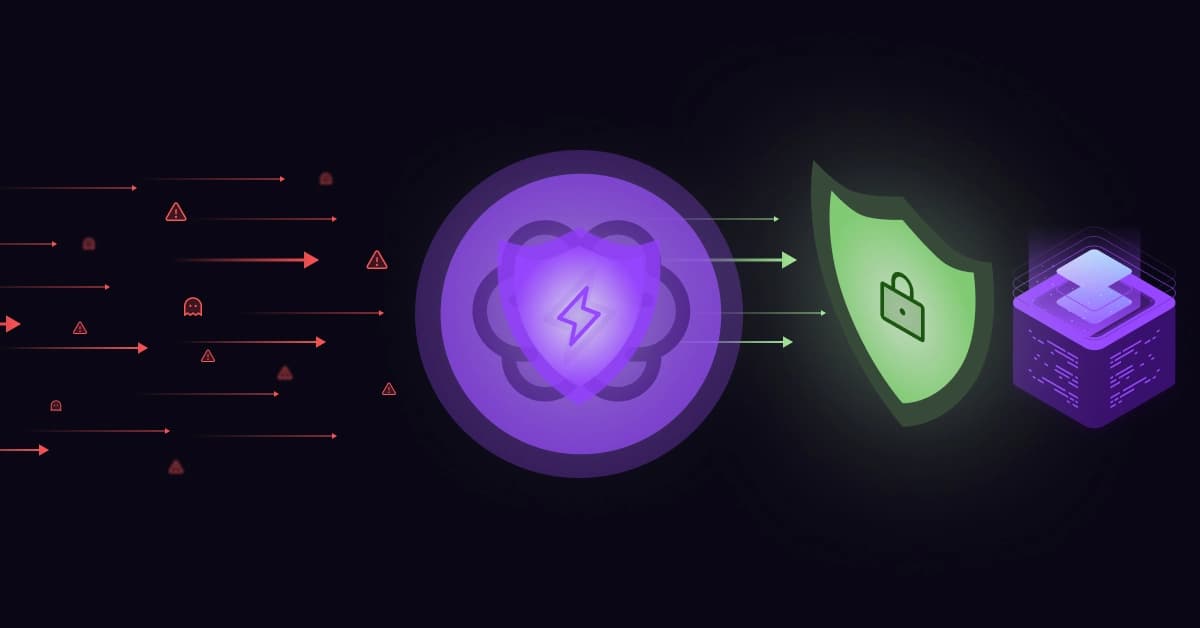
In a modern DevOps environment, you automate everything: CI/CD pipelines, autoscaling, and testing. Yet, too many teams still handle fraud detection manually, scrubbing databases days after the damage is done.
This gap is dangerous. 57% of organizations reported data breaches caused by API exploitation in recent years. You cannot fight automated bot attacks with manual reviews.
To secure your platform without slowing down deployment, you need an IP fraud scoring API. It acts as the intelligent logic layer between your firewall and your database, making millisecond decisions to filter malicious actors before they execute a single query.
The Shift to Code-Based Security: Why You Need an IP Fraud Scoring API
Traditional security relies on firewalls that block unauthorized access based on rigid rules (ports and protocols). However, modern threats often look like “authorized” traffic. A bot using a stolen credit card looks just like a paying customer to a standard firewall.
An IP fraud scoring API changes the dynamic by analyzing intent and reputation. It integrates directly into your backend code, allowing you to programmatically decide whether to accept, reject, or challenge a user request in real-time.
What is an IP Fraud Scoring API? (Technical Definition)
Technically, this is a RESTful service that accepts an IP address (Input) and returns a structured JSON object containing risk analysis (Output).
Why not just use a firewall? Legacy blacklists provide a binary “Yes/No.” A scoring API provides nuance. It assigns a Risk Score (0–100) to every request. This allows you to programmatically define logic:
- For scores 0–30, allow instantly.
- Scores between 31 and 75 require a challenge (MFA/CAPTCHA).
- A score of 76 or higher will be blocked.
Anatomy of the API Response (The JSON Payload)
When your backend queries the endpoint, you receive a JSON payload designed for immediate parsing. Key data fields include:
- fraud_score: The primary metric (0–100).
- asn_type: Identifies if the ISP is a Residential line (safe) or a Hosting Provider (risky).
- Proxy: Boolean flags for VPN, Tor, or Public Proxy detection.
- Geo: Country and Timezone correlation.
This structured data allows you to write simple conditional logic in Python, Node.js, or PHP to handle traffic automatically.
The Core Signals: How the API Calculates Risk
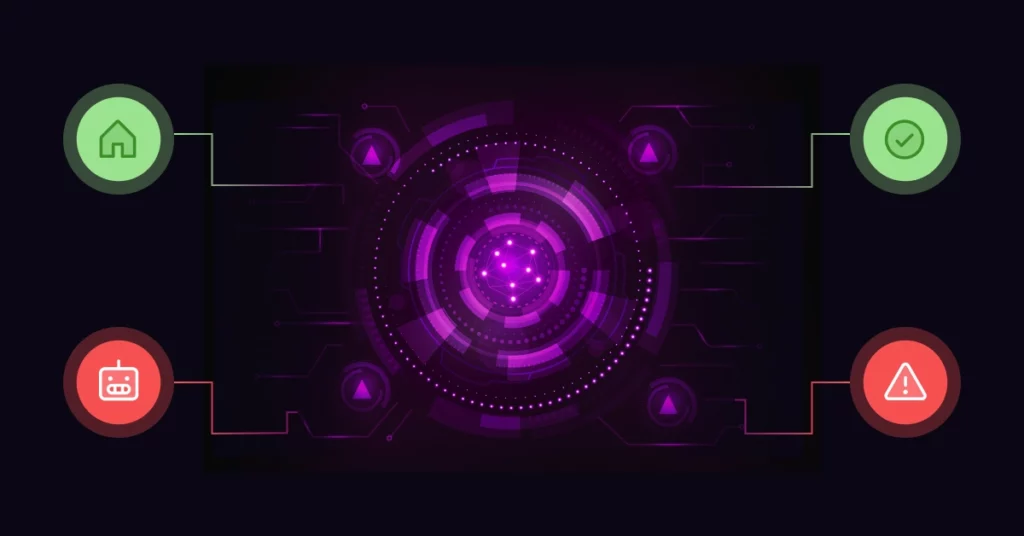
The API aggregates data from global threat networks and honeypots. Here is how it differentiates a user from a bot:
1. ASN Analysis (Hosting vs. ISP) Real users connect via ISPs like Verizon or Comcast. Bots launch scripts from cloud centers like AWS or DigitalOcean. Real shoppers do not browse from a cloud server. If the API detects a “Hosting” ASN, it flags the request immediately.
2. Proxy Piercing Sophisticated fraudsters use Residential Proxies to mask their identity. The API uses deep packet inspection to identify TCP/IP anomalies, exposing these masked connections. This is essential for stopping automated bot threats.
Dev Tip: Curious what data is hidden in an IP? Run a free manual scan on 1Lookup’s IP lookup tool to view the ASN and Proxy status yourself. 1Lookup is built by the same team as VoiceDrop.
Key Use Cases: Where to Inject the API in Your Code
You should inject the API call at critical logic “chokepoints” in your application:
- POST /register (Stop Fake Accounts): Botnets create thousands of accounts to abuse bonuses. If the API detects high velocity from a data center, reject the payload before it hits your database.
- POST /checkout (Stop Carding): With e-commerce fraud costing $48 billion in 2023, you must block geolocation mismatches (e.g., US Card + Russia IP) pre-auth. This reduces chargebacks and the cost of data breaches.
- POST /login (Stop Account Takeover): Detect “Impossible Travel.” If a user logs in from London and then Singapore 15 minutes later, the API flags the anomaly, preventing account takeover.
Integration Logic: Defining Your Risk Thresholds
We recommend implementing a “Traffic Light” logic system:
- 1. The Red Zone (Score > 85) This is a known threat (Bot/Tor Node). Action: Return HTTP 403 Forbidden. Do not waste resources processing the request.
- 2. The Grey Area (Score 40–80) These users are suspicious (e.g., corporate VPNs) but might be legitimate. Action: Trigger Dynamic Friction. Instead of blocking, require a secondary check. Use VoiceDrop Ringless Voicemail to send an OTP code via audio. Bots cannot answer a phone; humans can.
Not sure if an IP is malicious? Before automating your block list, investigate suspicious IPs manually with 1Lookup to confirm their reputation.
Performance Considerations for Developers
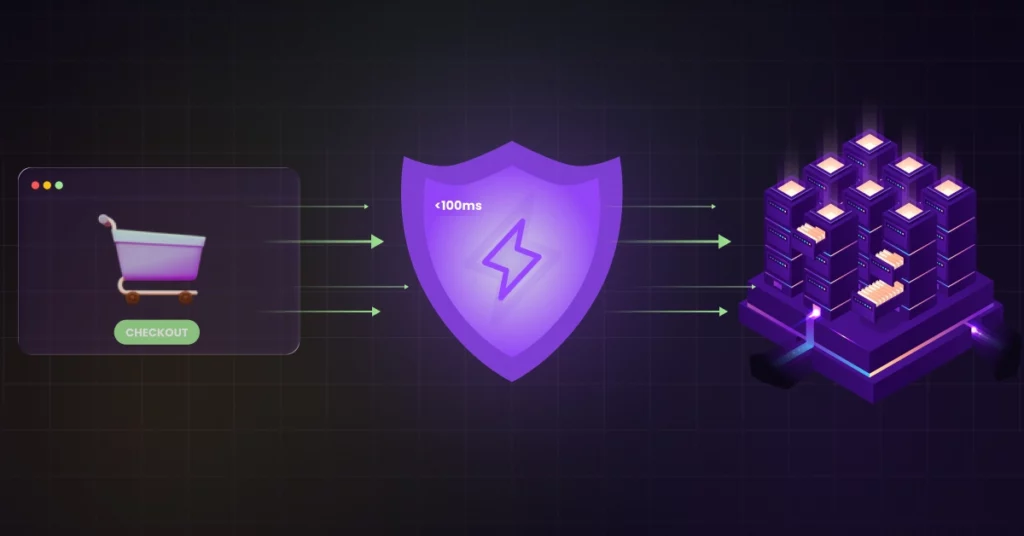
The biggest concern developers have with adding external API calls is latency. “Will this slow down my app?”
Latency Requirements (<100ms)
In e-commerce, speed is revenue. A fraud check must happen in under 100 milliseconds to ensure the user does not experience lag or abandon their cart. VoiceDrop’s architecture is built specifically for high-speed, low-latency lookups, ensuring that security never comes at the cost of user experience.
Seamless Integration with Existing Stacks
Because it is a RESTful API, it is platform-agnostic. It works seamlessly whether your backend is built on PHP, Python, Ruby, or Go. It can also feed data directly into CRMs and marketing platforms. For developers looking to streamline their workflow, VoiceDrop API Integrations make it easy to connect risk data with the tools you already use.
Compliance and Data Privacy
GDPR and Legitimate Interest
Is scanning IPs legal? Yes. Under GDPR Recital 47, the processing of personal data strictly for the purposes of ensuring network and information security constitutes a “Legitimate Interest.” You do not need explicit user consent to scan their IP address for fraud, provided the data is used solely for security purposes.
Conclusion
Manual fraud review is a relic of the past. It is slow, expensive, and unscalable. In the time it took to read this article, a bot could have tested hundreds of stolen credentials against your login page.
You need a defense that moves as fast as the attackers. By integrating an IP fraud scoring API, you build a self-defending application that proactively blocks threats.
Stop coding blindly. Get your API key, set your risk thresholds, and let the code do the work. Start your VoiceDrop Demo today to secure your digital perimeter.
FAQ’s
What is a good “safe” score threshold?
Generally, scores under 30 are considered safe residential traffic and should be allowed. Scores above 75 usually indicate proxies, bots, or high-risk activity and should be blocked or challenged.
Can I test the API before buying?
Yes, most providers offer a free tier or trial period. You can also use free manual tools like 1Lookup to see data samples and understand how risk scoring works.
Does the API detect mobile data users?
Yes. The API identifies Carrier IPs (CGNAT). These are usually assigned a lower risk score because they are associated with real mobile devices and legitimate human behavior.