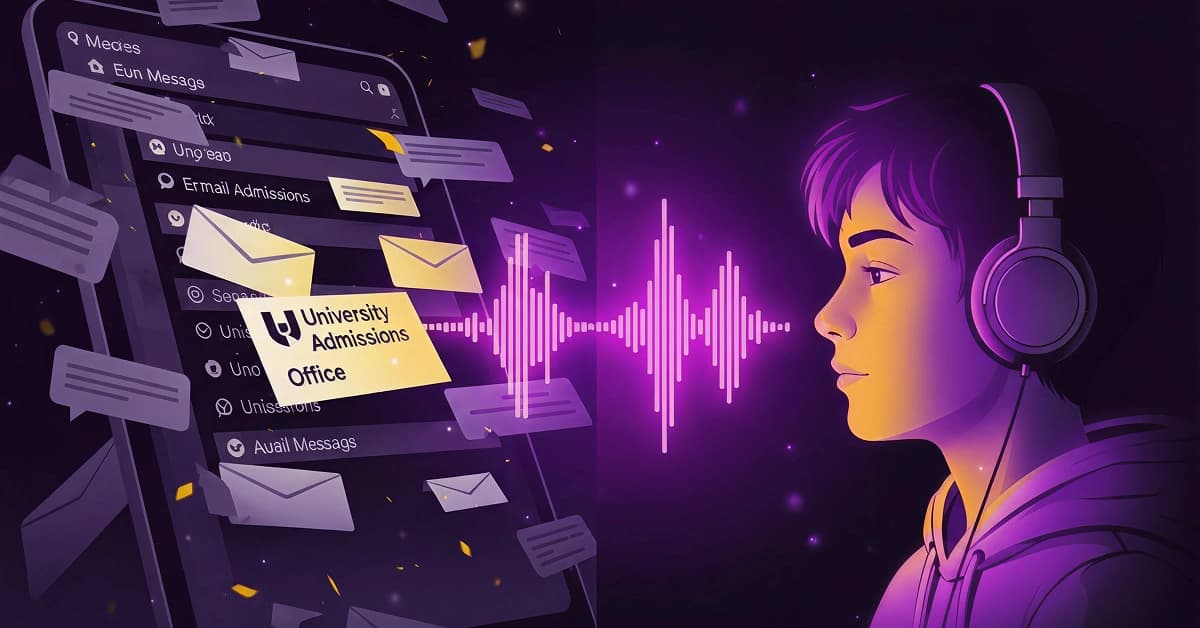
“Welcome to the Class of 2026.”
Imagine the difference: A student reads those words in a crowded email inbox, sandwiched between a spam offer and a newsletter. OR, they hear the warmth in the Department Head’s voice, speaking directly to them through their headphones.
It is May 1st. The “Deposit Deadline” clock is ticking. You have sent thousands of emails, but the open rates are in the single digits. This is the nightmare of the modern Admissions Director: You are shouting into a void.
Gen Z lives on their phones, yet they are unreachable by email. To stop “Summer Melt” and secure your class, you must pivot from text-based spam to audio-based connection.
The “Silent Crisis”: Why Accepted Students Ghost Universities
Before solving the problem, we must understand the “Summer Melt” phenomenon and why traditional methods are failing to stop it.
The Email Graveyard
Your beautifully crafted HTML email isn’t being read; it’s being archived. The average high school senior receives hundreds of college emails daily. They have developed “inbox blindness.” If your housing deadline alert looks like a marketing promo, it gets deleted.
The Gen Z Phone Paradox
Gen Z spends 7+ hours a day on their screens, yet they suffer from acute “telephonophobia.” They view an incoming cold call as an intrusion or a scam. Cold calling results in blocked numbers; emailing results in silence. You are stuck in a communication limbo.
The Cost of Melt
This silence is expensive. Losing 100 students who were deposited over the summer months costs the university millions in lost tuition revenue. According to the NACAC State of College Admission report, average yield rates and summer melt percentages remain critical challenges for enrollment managers trying to balance their budgets.
Why Voicemail Bridges the Communication Gap
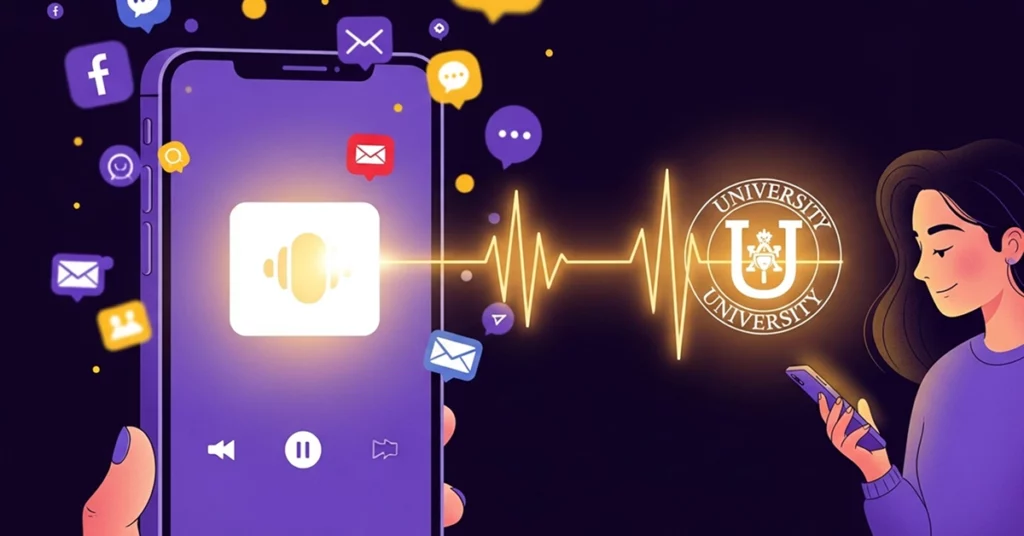
Why does voicemail work when other channels fail? The answer lies in the psychology of 17- to 20-year-olds.
The “Pattern Interrupt”
In a sea of Instagram notifications and unread texts, a “New Voicemail” icon stands out. It signals importance. This visual cue triggers curiosity. By acting as a pattern interrupt, the notification compels the student to hit ‘Play,’ ensuring your message is actually consumed.
Emotional Connection vs. Text
A text message simply says “Welcome.” In contrast, a voice recording from the Dean of Students saying, “We chose you specifically because of your essay,” creates a powerful emotional bond. This human element makes it significantly harder for the student to leave your institution.
Respecting Their Time
Unlike a cold call, which demands immediate attention and causes anxiety, a voicemail allows the student to listen on their own terms. This low-pressure approach increases engagement. To understand the mechanics of dropping a message without disturbing the student, you can explore Ringless Voicemail Marketing.
Step 1: Segmentation Strategies for Higher Ed
Do not treat all students the same. For maximum impact, you must break down your lists into specific segments.
The “Accepted but Not Deposited” Group
This is your most urgent list. These students have been admitted but haven’t paid the deposit yet. They often need a gentle, personal nudge to remind them of the upcoming deadline to secure their spot in the class.
The “Financial Aid Hold” Group
Students often melt away simply because of paperwork issues. You should target students with missing FAFSA documents using a helpful, non-threatening reminder from the Aid office. As indicated by Inside Higher Ed student surveys, financial aid confusion is frequently the number one reason for summer melt.
The Parent “Influencer” List
Do not ignore the “Chief Financial Officers” of the household. Parents often control the credit card. Sending a drop to parents about “Campus Safety” or “Housing Deadlines” prompts them to nag their child to finalize enrollment.
- 💡 PRO TIP: Don’t let bad data kill your campaign. Are you trying to reach parents with landline numbers from 2018? Stop wasting budget on dead numbers. Instantly find current mobile numbers for parents and guardians with 1Lookup’s Batch Skip Tracing. 1Lookup is built by the same team as VoiceDrop.
Step 2: Data Hygiene & Compliance (FERPA/TCPA)
Universities are rightfully strict about data privacy. You must address these hygiene and compliance factors immediately.
Cleaning Student Data
You cannot send drops to home landlines. Therefore, you must filter the export from your Student Information System (SIS) to isolate mobile numbers. This ensures your budget is spent on delivered messages rather than failed attempts.
Updating Parent Contact Info
Often, the parent’s phone number on file is years old. It is crucial to update this data to ensure the “influencers” actually get the message. You can use tools specializing in Data appending for higher education to find current mobile numbers for parents and students if the application data is outdated.
FERPA and Privacy
VoiceDrop is secure. Since the voicemail message is a general notification, such as a welcome message or a deadline reminder, and does not reveal specific grades or private financial specifics, it remains a safe, compliant communication method under FERPA guidelines.
Step 3: Crafting High-Yield Scripts
To help you get started, here are three specific script examples that Admissions officers can copy and paste.
The “Dean’s Welcome” (Emotional)
“Hey [Name], this is Dean [Name] from [University]. I was sitting here reviewing your application again, and I honestly wanted to say how impressed I was with your essay. We really want you here this Fall. I know you have options, but I think you’d thrive here. Give us a call back if you have questions.”
The “Deadline Nudge” (Urgent)
“Hi [Name], this is [Name] from Housing. Quick heads up, dorm selection is moving really fast this year, and I noticed you haven’t secured your spot yet. I don’t want you to get stuck on a waitlist. Please log in tonight and grab your room before they’re gone.”
The “Orientation Invite” (Excitement)
“Hey [Name], it’s [Student Ambassador Name]. Orientation is next week, and it’s going to be huge. We have a gift waiting for you at the welcome tent. Can’t wait to meet you there!”
Step 4: Automating the Drop with VoiceDrop
Manual calling is impossible at scale. Here is how automation saves your team hundreds of hours.
Bulk Uploading from Slate/Salesforce
You can easily export a CSV file from your CRM and upload it to the platform. This process takes minutes, allowing you to target thousands of students instantly without manual data entry.
Scheduling for “After School” Hours
University staff typically work 9-5, but students are most active at night. Automation allows you to schedule the drop at 4:00 PM or 6:00 PM to achieve higher listen rates, even if your office is closed.
Throttling Inbound Calls
If you send 5,000 drops, you might get 500 call-backs. To manage this volume, use “throttling” to send small batches over time. This ensures the admissions front desk doesn’t get overwhelmed. For a seamless workflow, utilize CRM Integrations for Education to sync the voicemail activity back into Slate, Salesforce, or HubSpot.
Step 5: Handling the Inbound Response
The goal isn’t just to send a message, but to start a conversation.
Managing Call-Backs
When students call back after listening, they are considered “hot leads.” Ensure your staff is ready to answer questions about deposits and housing immediately. These conversations are where the yield is secured.
SMS Follow-Up
We suggest pairing the voicemail with a text message sent 10 minutes later. A simple text saying, “I just left you a voicemail regarding your deposit. Let me know if you have questions,” significantly boosts response rates.
Tracking Yield Rates
Finally, measure success by data. Compare the deposit rate of the “VoiceDrop Group” with the “Email Only Group” to see the tangible lift in enrollment.
Conclusion
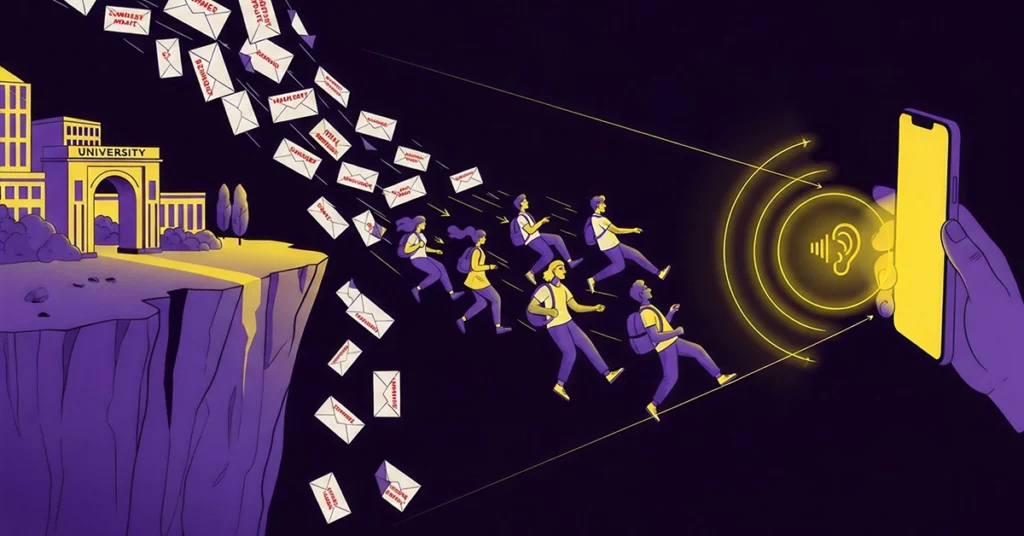
You cannot fight “Summer Melt” with the same tools you used in 2015. Gen Z demands a different approach. They want connection, but on their terms.
Your incoming class is slipping away one unread email at a time. Stop the bleed. Secure your enrollment numbers with the power of the human voice.
Ready to fill your seats? Book an Admissions Strategy Call today and launch your first campaign before the next deadline passes.
FAQs
Will students find this intrusive?
No, because the phone doesn’t ring. It respects their time and feels like a personal update rather than a telemarketing call.
Does this work for Alumni donations, too?
Yes. Alum fundraising is another major use case. A “Thank You” voice note from the University President increases the likelihood of future donations.
Is it expensive to implement?
Compared to the loss of tuition revenue from just one student melting ($20k+), the campaign’s cost is negligible.