
Are you a marketing professional struggling to get responses from younger leads? Do your phone calls feel like they disappear into a digital void? Does Gen Z leave voicemails? In most cases, the answer is no. Data shows that Gen Z communication habits have made traditional voicemail ineffective for daily use.
So why do younger consumers avoid this long-standing contact method? More importantly, how can businesses adjust their outreach to stay relevant with this key audience?
This guide explores the behavioral, cultural, and tech-driven reasons behind the decline of voicemail among Gen Z. It also explains the difference between voice notes and voicemails. You will gain clear, practical insights into modern voice strategies that work.
With solutions like VoiceDrop, businesses can bring voice into a modern omnichannel communication strategy. This approach aligns with texting generation trends and helps brands connect with Gen Z more effectively.
How Gen Z Communicates: Generational Preferences
Gen Z has grown up in a digital-first communication environment. This makes their preferences very different from those of older generations. They value speed, control, and non-real-time interaction. For them, a phone works more like a portable computer and camera than a voice device.
This shift comes from cultural change and strong technological fluency. As a result, their communication habits feel natural and intuitive to them. Understanding these preferences helps improve cross-generational communication.
Most Gen Z communication happens on screens. They share short videos and make plans through digital platforms. These platforms focus on instant delivery and visual feedback. Because of this, Gen Z expects fast and reliable communication.
This highlights a key difference between Millennials and Gen Z. Millennials gradually adopted texting as it emerged. Gen Z, however, was born into a world built around it.
Texting Over Calling
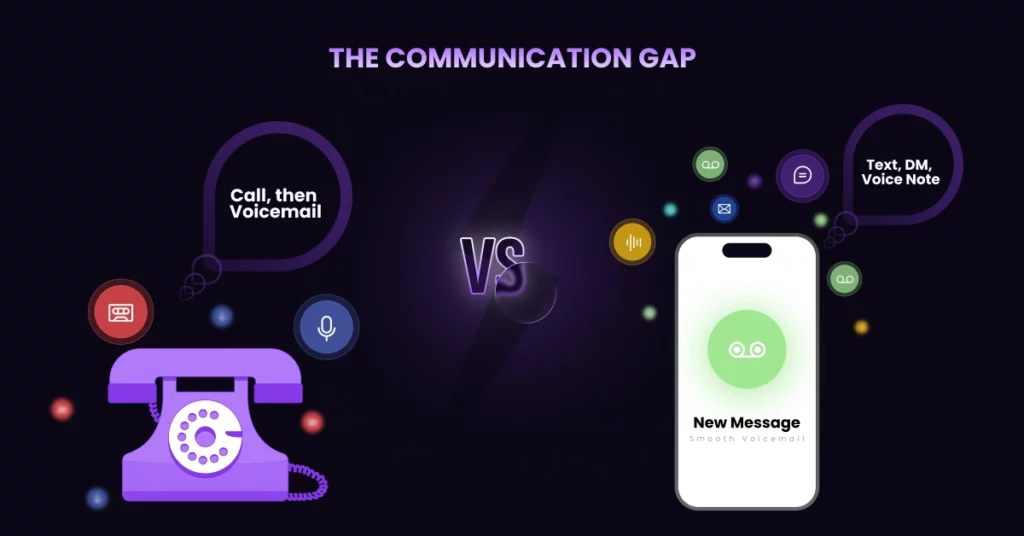
Surveys clearly show that texting is Gen Z’s top way to communicate. Because of this, many people ask, does Gen Z leave voicemails? In most cases, the answer is no. Phone calls feel intrusive and slow to them. Instead, texting trends point to a strong preference for asynchronous communication. This lets them reply on their own time without interruptions.
This non-real-time style also gives Gen Z time to think before responding. Texting feels controlled and low-pressure. It also fits well with their busy, multitasking routines. Since texting is instant and easy, it creates very little friction. As a result, voicemail engagement rates stay low. Leaving a voicemail simply takes more effort than sending a quick text.
Avoiding Answered Calls
Many Gen Z users avoid answering phone calls. This is especially true for calls from unknown numbers. High levels of robocalls and spam play a big role. Social anxiety also adds to the issue. Answering a call forces an immediate response. There is no time to prepare.
During a call, they lose control over timing and flow. Because of this, many let calls go unanswered or ignore them entirely. This behavior marks a major shift away from traditional voicemail habits. It also explains why businesses often ask why Gen Z avoids phone calls.
Rise of Voice Notes
Gen Z does not dislike voice communication. Instead, they prefer voice notes over voicemail. Apps like WhatsApp, Telegram, and Messenger make this easy. These tools feel fast and familiar. They also give users control over when to listen and reply.
Voice notes blend the speed of texting with the clarity of voice. Messages arrive instantly. There is no need for a live call. This makes voice notes a casual and efficient way to share details without pressure.
Why Many Gen Z Skip Voicemail
Gen Z skips voicemail because it does not match their mobile-first lifestyle. They expect fast and simple communication. Voicemail feels like a system built for old desk phones. It feels slow, awkward, and outdated. Because of this, voicemail holds little value for this generation.
Convenience and Speed
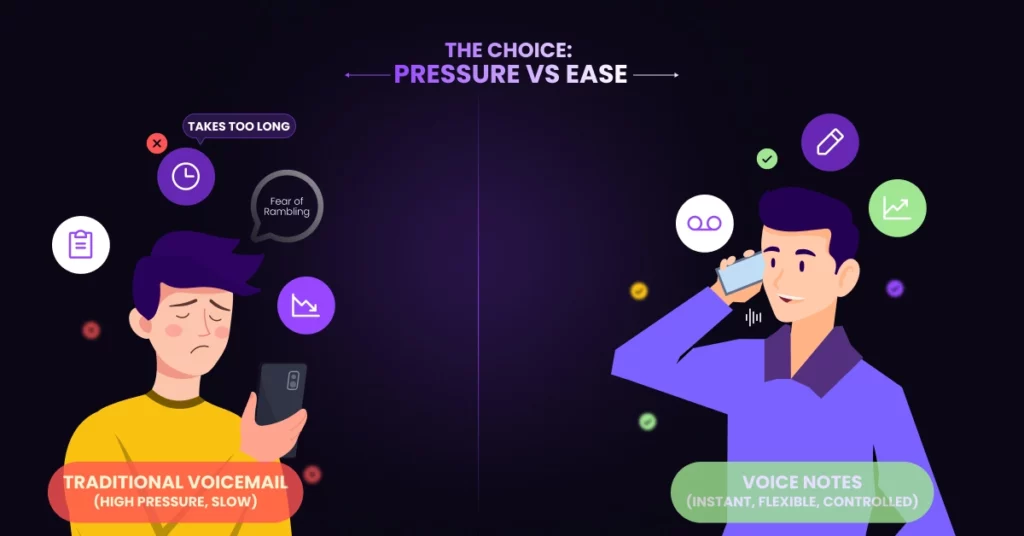
Speed matters most to Gen Z. Leaving or checking a voicemail takes too long. Users must open menus, wait for a beep, and listen to messages in order. This process feels inefficient. In contrast, a text or voice note takes seconds. Modern communication favors quick actions. This need for speed defines Gen Z habits.
Avoiding “Live Call” Pressure
Voicemail carries the same pressure as live calls. Callers must speak clearly and think on the spot. This often causes stress or discomfort. Many Gen Z users worry about sounding awkward or unclear. That is one reason why Gen Z avoids phone calls. Texts and voice notes remove this pressure. They allow users to respond calmly and in control.
Messaging Apps Take Over
Messaging apps now dominate daily communication. Platforms like WhatsApp, Telegram, and WeChat offer instant delivery and rich features. Users can send media, chat in groups, and see message status. These tools replace the need for voicemail. Gen Z lives inside these apps. Traditional voicemail feels separate and unnecessary.
Voicemail as a “Legacy” Habit
Voicemail never became a normal habit for Gen Z. They grew up with texting as the default option. Older generations relied on answering machines. Gen Z did not. As a result, they see voicemail as something their parents use. The decline of voicemail reflects a clear generational shift away from outdated systems.
When Voice Messaging Still Works
Although traditional voicemail engagement rates remain low, voice messaging is far from obsolete. In fact, when asking does Gen Z leave voicemails?, the answer depends heavily on context. While Gen Z generally prefers text, voice communication still performs well in situations where tone, clarity, and professionalism matter. Therefore, businesses gain an advantage when they understand where voice still carries influence, especially in formal or cross-generational interactions.
Professional and Business Use
In professional settings, voicemail adds a level of formality that text messages often lack. For example, when reaching out to a new client or a senior decision-maker, a well-structured voicemail signals effort and respect. As a result, it aligns closely with accepted professional voicemail etiquette. Additionally, voice messages work effectively for urgent matters, contract follow-ups, or formal invitations. Even though Gen Z may avoid voicemails casually, structured business communication still benefits from voice delivery. In addition, businesses can deliver time-sensitive updates efficiently through compliant voicemail blast campaigns.
Clear and Structured Messages
Voicemail also proves useful when messages require detail and organization. Unlike casual voice notes that can get buried in chat threads, voicemail remains stored and easy to retrieve. Moreover, voice conveys emotion and urgency more clearly than text. For instance, service updates or formal meeting confirmations feel more personal and precise when delivered by voice, even as texting remains dominant among younger audiences.
Connecting Across Generations
It’s important to look beyond just one generation. Voicemail is still important for cross-generational communication. Many clients, vendors, and team members from older generations expect voice messages. Using voicemail in these cases shows professionalism and respect. A smart strategy recognizes that communication habits change with age and experience.
Voice Within an Omnichannel Strategy
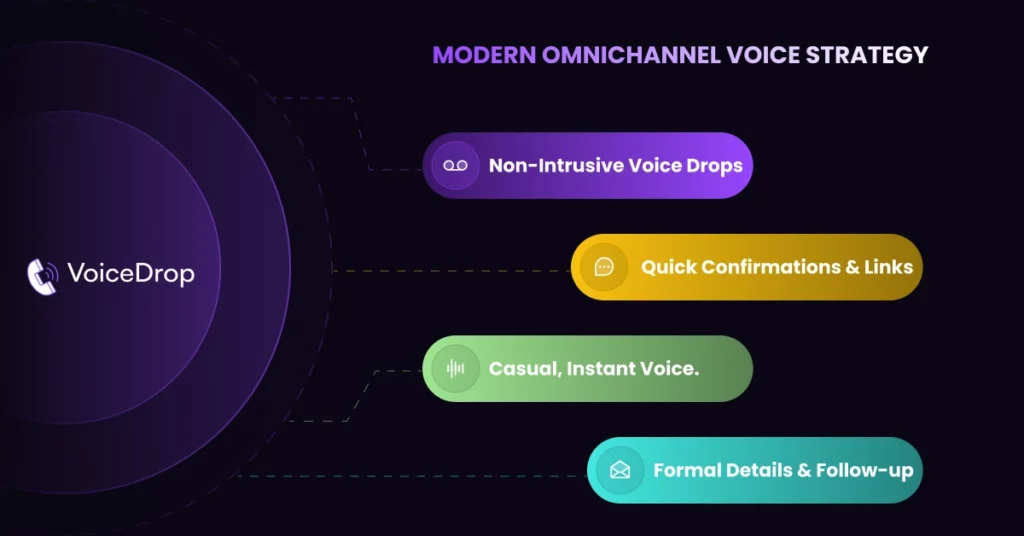
Voice works best as part of an omnichannel strategy. Combining voicemail with text, chat, and email increases reach. It also improves response rates.
For example, a ringless voicemail can be followed by a text or an email. This creates multiple ways to connect. Even if Gen Z rarely leaves voicemails, this approach makes sure messages are seen and heard across all generations.
Implications for VoiceDrop: Modern Voicemail Opportunities
Traditional voicemail may be struggling, but modern voice messaging is thriving. VoiceDrop is perfectly positioned to capture this shift by rebranding voicemail as a modern, flexible, and professional business voice messaging tool. The platform focuses on the features that Gen Z actually values: non-intrusion, speed, and personalization.
Rebrand Voicemail as Modern Voice Messaging
The key is to present voicemail not as a passive inbox, but as a flexible business voice messaging tool. Encourage presenting voicemail as flexible, convenient, and asynchronous outreach that respects the recipient’s time. Highlight features like ringless delivery, which avoids interrupting the consumer. This aligns with Gen Z communication habits and respects their preference for control. This is the goal of features like automating mass voice messaging.
Focus on Business Use Cases
VoiceDrop should focus on professional and cross-generational communication. These are the areas where voice works best. Common use cases include sales follow-ups, appointment reminders, and formal notices.
In these situations, voice adds trust and clarity. VoiceDrop can present voicemail as a reliable and professional tool. At the same time, it delivers messages with the speed of a modern app. This clear positioning sets VoiceDrop apart. It appeals to decision-makers who value professional voicemail etiquette and real results.
Integrate with Other Channels
A single, unified communication strategy matters today. Businesses should combine ringless voicemail, text, and email in one place. This approach creates a strong omnichannel strategy that improves message reach.
Using one platform also reduces friction. Teams no longer need to switch between tools. At the same time, all outreach stays tracked and organized.
Market Professionalism and Reliability
Voicemail offers credibility that social media messages often lack. It delivers a sense of formality and assurance that casual channels cannot match. Businesses can use voicemail to communicate important updates, follow-ups, and reminders in a professional tone. This makes it ideal for reaching clients, partners, and decision-makers who value reliability.
Sharing case studies and client testimonials strengthens this message. Real-world examples show how voicemail drives results and builds trust. Highlighting successful campaigns or positive feedback demonstrates that the platform works and is dependable.
Common Objections: Why Voicemail Struggles With Gen Z
Despite the benefits of modern voice messaging, traditional voicemail faces strong objections from Gen Z. Businesses must recognize and overcome these barriers through superior technology and strategic outreach.
Perceived as Outdated
Does Gen Z Leave Voicemails? Many surveys show that Gen Z often ignores voicemail because it feels old-fashioned. Retrieving messages takes too many steps. Voicemail also lacks visual context. On top of that, constant robocalls and spam reduce trust in the system. As a result, voicemail feels unreliable and low-quality.
Voice Notes Supersede Voicemail
For personal communication, Gen Z prefers voice notes over voicemail. Messaging apps make voice notes quick and easy to send. They also feel more natural and familiar. Platforms like WhatsApp set the standard for fast, flexible voice sharing. To close this gap, modern tools now use AI voice cloning features. These offer the clarity of voice without the hassle of dialing.
Prefer “Digital-First” Channels for Work
In work settings, Gen Z favors digital-first tools. They rely on email, chat apps, and collaboration platforms. These tools are easy to search and track. They also support multitasking. Because of this, traditional voicemail feels disconnected from their daily workflow. Businesses must bring their voice into these digital spaces.
High Risk of Missed Messages
Low voicemail engagement creates real risks for businesses. Many messages go unheard or unchecked. As a result, sales and follow-ups are lost. This challenge highlights the need for a strong omnichannel strategy. Relying on voicemail alone is no longer enough to ensure messages are seen.
Conclusion: The State of Voicemail Among Gen Z in 2025
Does Gen Z leave voicemails? In the traditional sense, no.In 2025, voicemail matters less for Gen Z. They prefer voice notes and other digital tools. This is because they think mobile-first and find traditional voicemail slow and inconvenient.
Still, voice is useful for clarity and human connection. Businesses should rethink how they use it. Modern voicemail solutions make this easier. Companies can update their outreach, include voice in an omnichannel strategy, and focus on professional or business messages.
That is where VoiceDrop fits in. It offers compliant, non-intrusive ringless voicemail tools. These tools turn voice into a high-impact channel while respecting Gen Z communication habits.
So, why ignore the Gen Z communication shift? Instead, start using voice the right way. Click here to schedule a demo. See how VoiceDrop can modernize your business voice messaging strategy.
FAQ’s
Does Gen Z even check voicemail?
Most Gen Zers rarely check traditional voicemail. They prefer texting, voice notes, or messaging apps. These methods are faster and easier to use.
How is a voice note different from voicemail?
Voice notes are sent through messaging apps. They are instant and can be listened to anytime. Voicemail, on the other hand, is left on a phone system and must be retrieved later.
When is voicemail still useful for Gen Z?
Voicemail works best in professional or formal situations. It is also useful for cross-generational communication. In these cases, clarity, permanence, and professional etiquette matter.
How can businesses reach Gen Z via voice?
Businesses can use a mix of tools. Ringless voicemail, platforms like VoiceDrop, and app-based voice notes all work. This approach delivers professional, flexible, and mobile-friendly messages.