The skies darken, sirens wail, and hail the size of golf balls begins to batter rooftops across the city. As the storm passes, a different kind of chaos ensues. Within hours, trucks from every roofing company in the state flood the affected neighborhoods. It’s a frantic race against time.
In this high-stakes environment, the first contractor to make contact usually wins the inspection. If you rely solely on physical door-knocking, you are already behind.
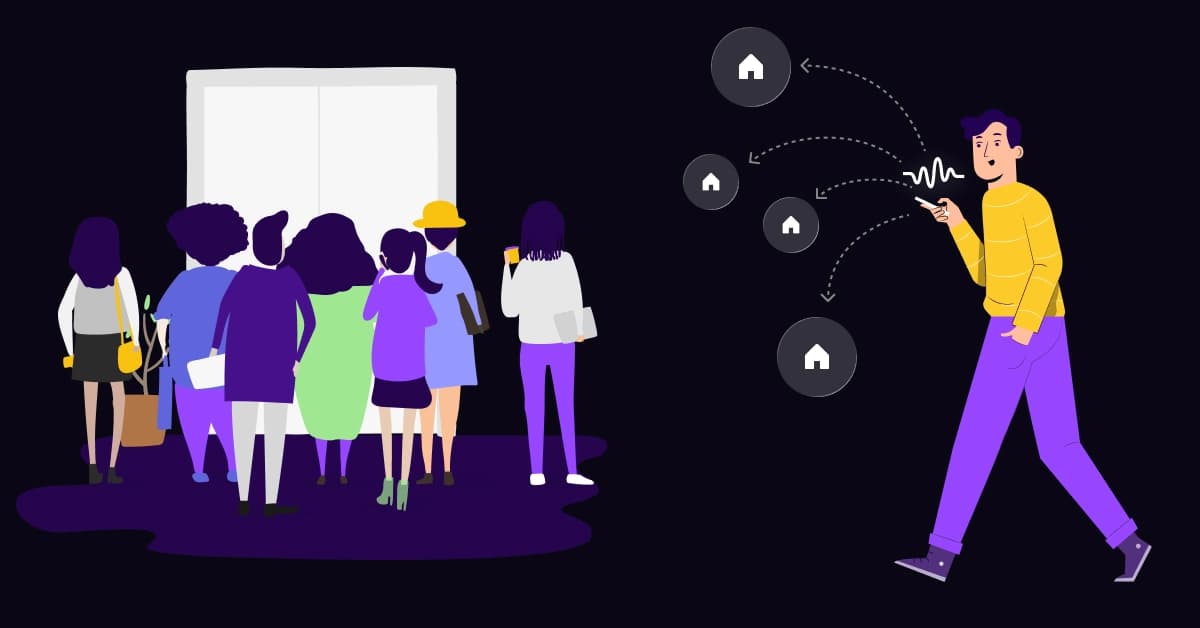
“Digital Door Knocking” has emerged as the superior alternative, allowing savvy contractors to virtually knock on every door in a hail swath simultaneously. Why spend days walking a neighborhood when you can reach thousands of homeowners in minutes?
Why Physical Canvassing is Losing to Automation
Traditionally, “boots on the ground” has been the gold standard for storm restoration sales. Yet, this method is plagued with inefficiencies. Canvassers face locked gates, “No Soliciting” signs, aggressive dogs, and the sheer physical fatigue of walking miles in the summer heat. Even your best rep can only effectively knock 50 to 60 doors a day.
Automation removes these physical barriers completely. This shift is driven by a critical metric: “Speed to Lead.” In storm restoration, speed is the only variable that truly matters.
Homeowners want immediate solutions, and automation wins because it delivers instant results. By utilizing Ringless Voicemail Marketing, you ensure your company is the first name they see, bypassing the limitations of physical canvassing entirely.
Step 1: Precision Targeting with Digital Haul Maps
Every successful campaign starts with accurate data. You cannot simply guess where the storm hit and hope for the best; you must rely on precision. Before making a single call, you need to know exactly which streets were impacted.
Successful contractors use meteorological tools like HailTrace or specialized weather maps to pinpoint the exact “Swath.” These tools provide a visual overlay of the storm’s path, giving you street-level data on hail size and wind velocity.
Identifying the “Money Swath”
Not all storms are created equal. You need to filter your map data effectively. Don’t look for just any storm; hunt for “totaled roof” indicators, such as 1.5-inch hail or wind speeds exceeding 60mph. Export the addresses of only these severely affected neighborhoods.
This maximizes your odds of claim approval. You can even cross-reference your data with NOAA Storm Reports to ensure you are targeting a verified disaster zone.
Step 2: Bulk Skip Tracing the Neighborhood
Once you have identified the target area, you will have a list of physical addresses, but that is only half the battle. You need a bridge between the physical address and a digital contact method. This step involves converting a list of street addresses into a list of mobile phone numbers.
How Skip Tracing Works
For those new to the term, “Skip Tracing” is the process of locating a person’s contact information. Ideally, this technology matches the address against massive databases of public records, such as mortgage deeds, credit headers, and utility bills.
As a result, the system returns the mobile phone number associated with that specific property address.
Ensuring Data Quality (Tier 1 Data)
Be cautious about where you source this data. Cheap providers often return landlines, disconnected numbers, or data for previous owners. Using “Tier 1” data is crucial to ensure you reach the current homeowner. High-quality data directly correlates to high delivery rates for your voicemails.
🚀 Ready to Build Your List? You have the addresses, now get the numbers. Use 1Lookup for Precision Skip Tracing to instantly convert your storm maps into actionable mobile leads. 1Lookup is built by the same team as VoiceDrop.
Step 3: Launching the “Digital Knock” Campaign
This is where strategy turns into action.
Uploading Your List
Prepare your CSV file with columns for the Address, Homeowner Name, and Phone Number. Upload this file directly into the VoiceDrop dashboard, and the system will process the contacts instantly.
Scheduling for Maximum Impact
Timing is everything. Never send drops late at night or early in the morning. For storm leads, the “Golden Hours” are usually between 4 PM and 6 PM. This is when homeowners return from work, inspect their property for damage, and check their phones.
Crafting the Perfect Storm Script
If you sound like a robot, you lose. Your message must be authentic, empathetic, and local.
- The “Good Neighbor” Approach: “Hi, this is [Name] with [Local Roofing]. We’re currently inspecting the Jones’ roof down the street and found significant shingle damage from yesterday’s storm. Since we are already in the neighborhood, I wanted to reach out…”
Avoiding the “Hard Sell”
Furthermore, you should avoid asking for a signed contract in the first interaction. The goal of the voicemail is to get them to agree to a Free Inspection. Keep the barrier to entry low, and let your inspection team handle the rest.
Step 4: Automating the Follow-Up Sequence
One touchpoint is rarely enough to convert a lead. In fact, most sales are made after multiple points of contact. To ensure no leads slip through the cracks, you need an omnichannel approach that reaches prospects across multiple channels.
The SMS Chaser
A highly effective tactic is to set up an automated text message to go out approximately 15 minutes after the voicemail is delivered.
- Script Idea: “Hey, just left you a voicemail about the storm damage on [Street Name]. Let me know if you want a free look at the roof while we are here.”
Integrating with Your CRM
Finally, automation should extend to your lead management system. You should mention connecting VoiceDrop to your CRM (like JobNimbus or AccuLynx) via API. Consequently, when a lead responds to your message, they are automatically created as a “Prospect” in your pipeline.
For detailed instructions on connecting these tools, refer to our VoiceDrop Integrations page.
Handling the Inbound Flood
It is important to prepare your team for success. A successful Digital Door Knocking campaign can generate dozens of callbacks in a single hour. Therefore, you must advise your office staff to be ready.
You should have a dedicated person or a professional answering service ready to take calls immediately after the campaign launches. If you miss the call, you likely lose the lead to the next contractor who answers.
Compliance and Legal Safety
While speed is important, safety is paramount. You must address the legal aspects of storm-chasing marketing to protect your business.
The Importance of DNC Scrubbing
Crucially, you must adhere to the TCPA (Telephone Consumer Protection Act). You cannot harass people who have opted out of communications. Fortunately, VoiceDrop automatically scrubs your uploaded lists against the National Do Not Call registry. This feature keeps contractors safe from potential fines and legal issues. It is always wise to review the TCPA Compliance Rules to ensure your campaigns remain fully compliant with federal laws.
Cost Analysis: Boots on the Ground vs. Digital
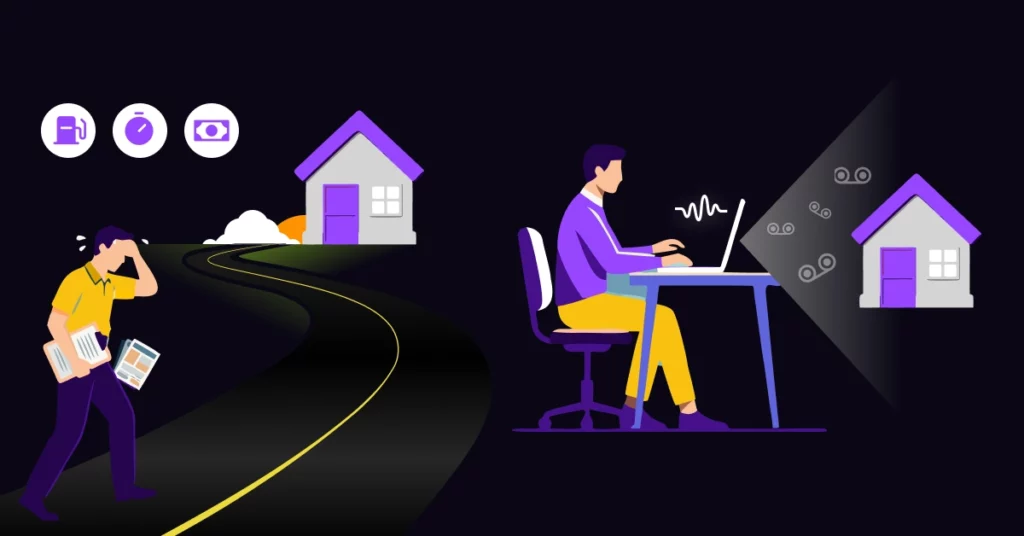
When you break down the ROI, the difference is staggering. Physical canvassing involves paying canvassers hourly wages plus commission, covering gas, and dealing with slow results. On the other hand, digital outreach costs pennies per voicemail, provides instant reach, and results in zero physical fatigue.
Thus, Digital Door Knocking is roughly 10x more cost-effective for initial outreach than traditional methods.
Conclusion
By adopting this strategy, you aren’t replacing the handshake; you are using technology to get to the handshake faster than your competition. You transition from a reactive business to a proactive “Systems Architect” who owns the neighborhood before other trucks even park.
Stop walking miles in the heat. Start Your Free Trial with VoiceDrop today and scale your storm response.
FAQ’s
How quickly can I launch a campaign after a storm?
Within hours. As soon as the storm passes and the meteorological maps are updated, you can skip trace the list and launch a VoiceDrop campaign the same day.
💡 Need the highest match rate?
Don’t settle for 50% accuracy. We recommend 1Lookup for contractors who need reliable homeowner data.
Is Ringless Voicemail legal for storm chasing?
Yes, as long as you are compliant with TCPA regulations and respect DNC lists. VoiceDrop helps automate these compliance layers to ensure you are operating safely.
What is the average response rate for storm leads?
Response rates vary, but because the message is timely and highly relevant (the homeowner knows a storm just hit), conversion rates are typically much higher than standard cold outreach campaigns.