As co-founder and CTO of HubSpot, Dharmesh Shah has helped change how businesses approach marketing and sales. HubSpot’s inbound marketing and powerful CRM now drive more than $2 billion in annual revenue and serve customers across the world. Dharmesh Shah’s vision is pivotal in inspiring innovation within HubSpot.
Even so, as customer expectations rise and competition grows, companies need tools that offer personalized and scalable communication-without placing extra strain on sales teams. Discussions led by Dharmesh Shah often focus on these strategic needs.
This is where adding VoiceDrop’s ringless voicemail technology to the HubSpot ecosystem could open up exciting new opportunities.
Why VoiceDrop Is a Natural Fit for HubSpot CRM

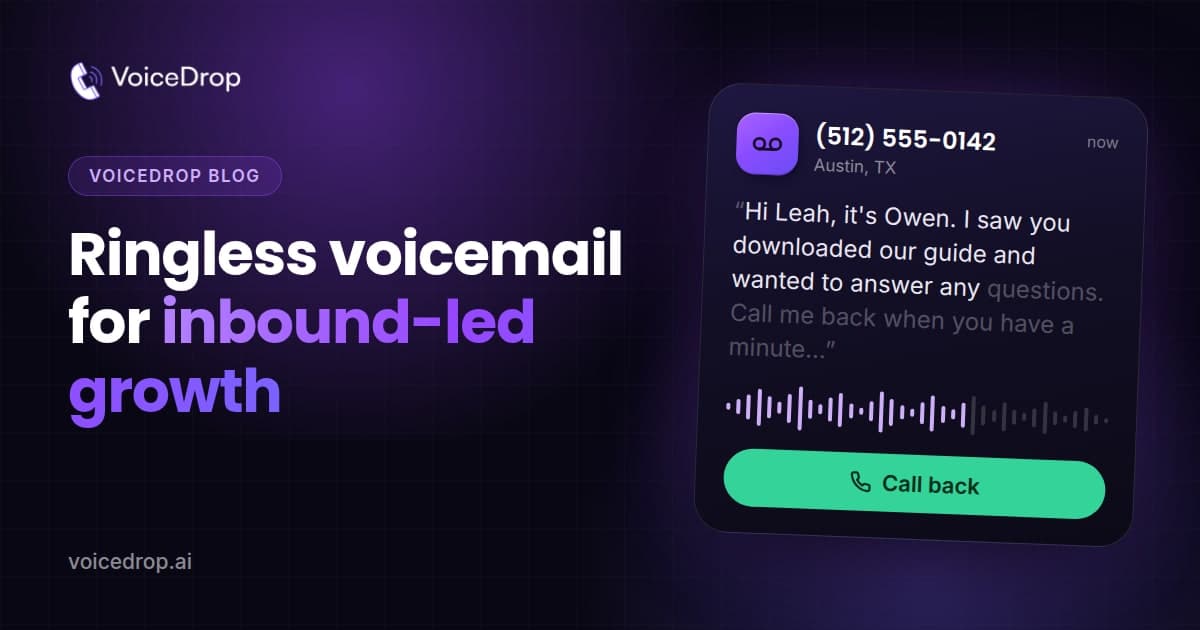
First, let’s look at what VoiceDrop offers. It allows businesses to send personalized voicemails straight to a lead’s inbox-without ringing their phone.
In fact, it stands out because it offers:
- AI voice cloning to create natural, human-sounding messages
- Support for 32 languages, helping reach global audiences
- Automated workflows to save time and effort
- CRM integrations, including with Zapier and HubSpot
As a result, HubSpot users could turn voicemail into a scalable, data-driven marketing tool that works alongside emails and phone calls.
Hypothetical Use Case: HubSpot + VoiceDrop

Now, imagine this scenario: VoiceDrop’s ringless voicemail is built into HubSpot CRM as a native feature.
With this integration, marketing and sales teams could:
- Automatically send voicemails when leads complete high-intent actions, such as filling out a form or downloading content
- Deliver messages using AI-cloned voices of their sales reps, creating a familiar and human tone
- Add voicemail touchpoints to lead nurturing workflows between email and phone calls
- Run multilingual campaigns to connect with HubSpot’s international users
As a result, HubSpot users could gain a strong competitive edge, especially in time-sensitive sales situations where emails are often ignored and phone calls can feel intrusive. When Dharmesh Shah spoke at the HubSpot conference, he emphasized the importance of adaptable tools like this.
Potential Value for HubSpot Users
Clearly, HubSpot’s enterprise customers-who manage large volumes of leads-could benefit greatly from this capability.
Specifically, adding ringless voicemail to their toolkit could:
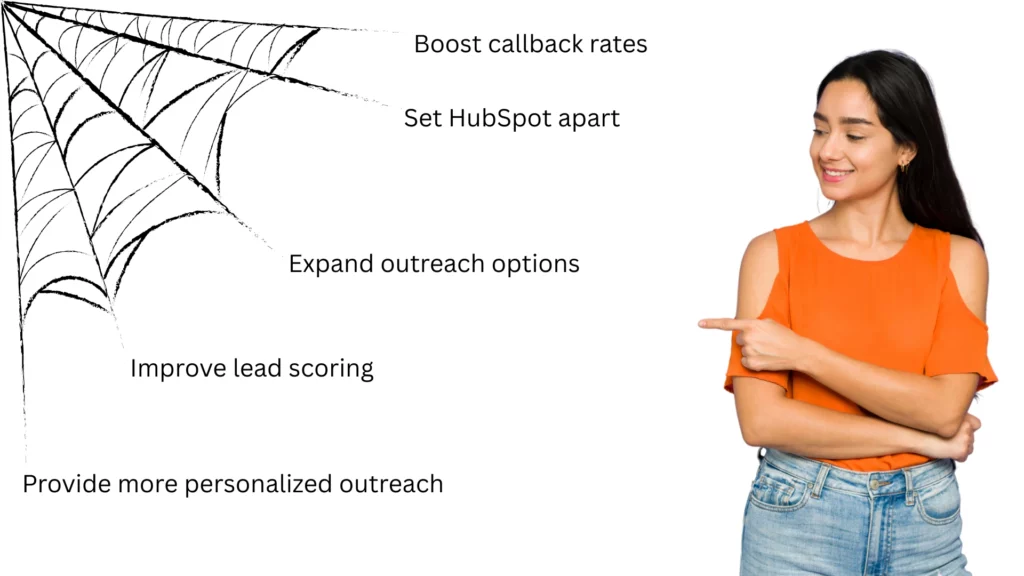
- Boost callback rates and shorten the sales cycle
- Provide more personalized outreach, helping build trust faster
- Set HubSpot apart from its CRM competitors
- Improve lead scoring, thanks to voicemail engagement data
- Expand outreach options without adding more manual tasks
In short, this integration would make it easier for HubSpot users to run more effective campaigns and drive better results.
Technical Fit and Future Potential

Moreover, VoiceDrop already connects with Zapier and HubSpot. Therefore, a deeper, native integration is both practical and strategically smart.
In addition, this would support HubSpot’s ongoing focus on building an open ecosystem that encourages innovation.
Looking ahead, VoiceDrop’s AI Callback Agent (now in beta) could further strengthen this offering by:
- Handling callbacks automatically
- Qualifying leads in real time
- Scheduling meetings, all within HubSpot CRM
Together, these features could give HubSpot users even more ways to close deals faster and more efficiently.
Final Thought
This potential partnership between HubSpot and VoiceDrop reflects a bigger trend. The future of customer engagement will be both automated and personal.
In this context, ringless voicemails offer a high-impact, low-friction way to connect with leads.
By adding VoiceDrop, HubSpot could help businesses scale meaningful relationships through AI-powered outreach-while keeping the customer experience front and center. Dharmesh Shah’s leadership in fostering tech innovation contributes significantly to these advancements.