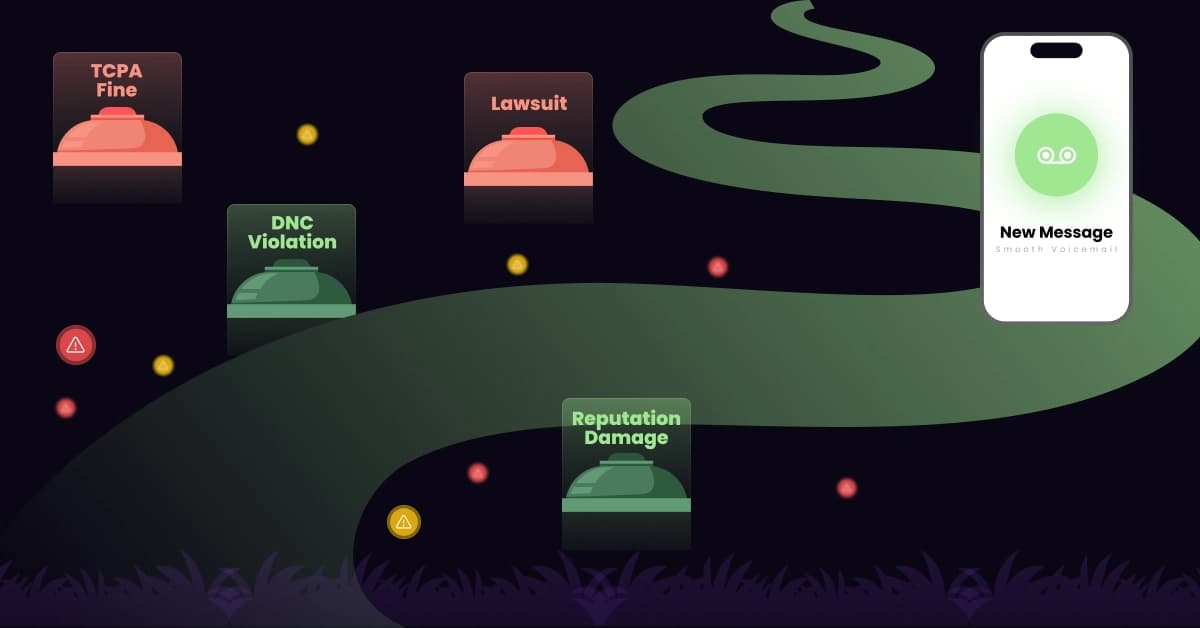
In a world where missed calls, voicemail overload, and privacy concerns are part of everyday communication. Slydial promises a quick shortcut by sending callers directly to voicemail without making the recipient’s phone ring. While this may sound harmless, it naturally raises important questions about legality, consent, and ethical use. Is skipping the ring a smart feature or a potential violation of communication laws?
The legality of Slydial depends on how, where, and why it is used, as well as the local laws governing telecommunications and privacy. Understanding these legal boundaries is essential for individuals and businesses alike.
Is Slydial Illegal? Take a clear, easy-to-understand look at whether Slydial is legal, the risks involved, and the safest alternatives available for respectful and lawful communication. Also, use the safer voicemail alternative solution, VoiceDrop, which will let you maintain personalization and efficiency.
What Is Slydial and How Does It Work?
Slydial is a voicemail delivery service designed to send a recorded message directly to a person’s voicemail without ringing. Instead of placing a traditional call, the system bypasses the normal call alert and deposits the message straight into the recipient’s voicemail inbox. This feature is often marketed as a time-saving and non-intrusive option.
Technical Overview of Slydial
From a technical standpoint, Slydial works by connecting to voicemail servers through telecom signaling systems rather than initiating a standard voice call. When a user enters a phone number into the Slydial platform, the service communicates with the carrier’s voicemail infrastructure to access the voicemail box directly. Because no active call is placed, the recipient’s phone does not ring, and the caller is never connected to the person in real time. This process relies on backend carrier integrations and call-routing methods that treat the message as a voicemail drop instead of a call.
Common Use Cases
Slydial is commonly used in both personal and business settings. Individuals may use it to leave reminders, apologies, or quick updates when they do not want to disturb someone during work hours or late at night.
On the business side, sales teams, recruiters, and service providers sometimes use voicemail drop tools to share information, follow up on leads, or deliver announcements efficiently. However, this is also where concerns arise, as frequent or unsolicited voicemail drops can feel intrusive to recipients.
Legal Concerns Around Slydial
The biggest concern surrounding Slydial’s legality for businesses centers on the Telephone Consumer Protection Act (TCPA) in the USA. The TCPA regulates the use of automatic telephone dialing systems (ATDS) and prerecorded messages. The law’s purpose is to protect consumers from unwanted telemarketing. When a business uses any automated tool to deliver a message, the legal risks increase dramatically.
Even though Slydial may feel less intrusive than a traditional robocall, the FCC has made its stance clear. In November 2022, the FCC ruled that ringless voicemail drops are subject to the TCPA’s restrictions on robocalls. This ruling closes the loophole many companies hoped to exploit. It means that if a business uses Slydial or a similar service to deliver a marketing message without prior express consent, they are violating the law. The high TCPA fines and penalties make this a massive risk. Businesses must have permission before sending any automated voicemail marketing message.
Is Slydial Illegal for Businesses?
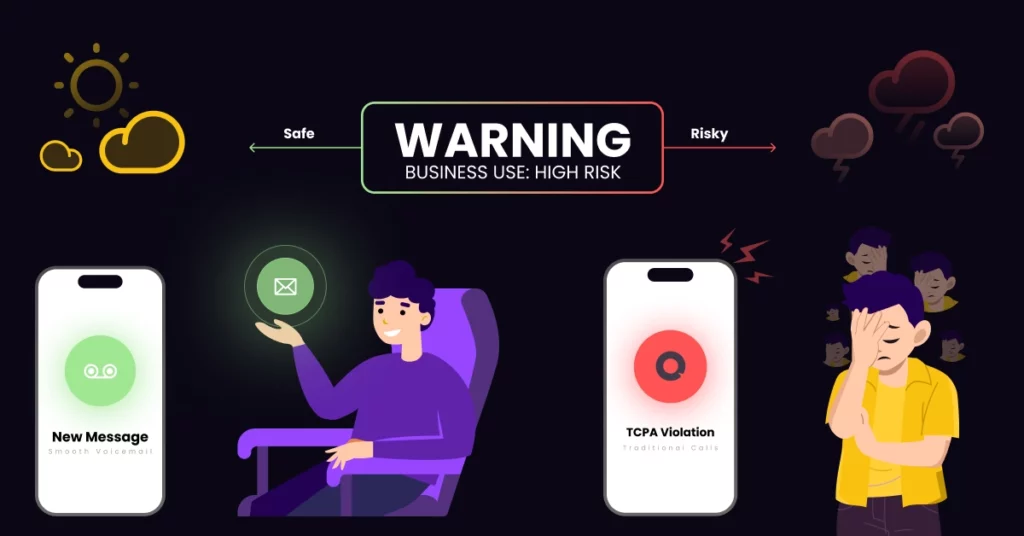
The question “Is Slydial Illegal?” cannot be answered with a simple yes or no, but the risk for businesses is extremely high. Slydial, as a tool, is legal for personal use. However, its use for high-volume, unsolicited Ringless voicemail marketing is considered non-compliant and risky. The crucial factor is not the tool itself, but the context and the recipient’s consent.
If your business uses Slydial to send promotional content, product offers, or sales pitches to recipients who have not given prior express written consent, you are exposed to significant legal risk. Since Slydial does not provide the robust consent tracking, DNC scrubbing, and compliance documentation required by Telemarketing compliance rules, it is an inadequate tool for legitimate business outreach.
The cost of an effective, compliant platform is negligible compared to the minimum $500 fine per violation under the TCPA. This is why many organizations look for verifiable Slydial alternatives. Organizations must prioritize Legal voicemail outreach to protect their financial and reputational stability. Reputable companies cannot afford the legal risks associated with relying on a non-compliant service.
Safe Alternatives to Slydial
Given the high Slydial TCPA compliance risks, businesses must seek compliant voicemail solutions designed specifically for ringless voicemail marketing. These Slydial alternatives provide the necessary legal safeguards, automation, and personalization features that Slydial lacks. Switching to a compliant platform allows businesses to scale outreach without fearing crippling penalties.
Why VoiceDrop Is a Compliant Option
VoiceDrop provides a secure platform built from the ground up to address ringless voicemail laws. The platform automates the crucial compliance checks needed for today’s market. It helps businesses obtain and track prior express consent and offers features that simplify compliance management. VoiceDrop offers higher deliverability and better analytics than non-compliant alternatives. This commitment to Legal voicemail outreach sets it apart.
Read our direct comparison to understand the full features difference between VoiceDrop and Slydial platforms.
Other Alternatives
Other Slydial alternatives exist in the market that focus on compliant voicemail solutions. These platforms, often marketed as voicemail automation tools, provide features necessary for legal voicemail outreach. These features include CRM integration, bulk scheduling, and detailed reporting on callback rates. The key differentiator for any alternative should be its explicit focus on TCPA and DNC compliance. Always choose a vendor that understands business voicemail regulations and provides clear tools to enforce them. If you are serious about zutomated voicemail marketing, you need a system that offers legal protection.
Best Practices for Safe Voicemail Outreach
To ensure your automated voicemail marketing campaigns are successful and legally safe, you must follow clear telemarketing compliance rules. These practices protect your business from the significant voicemail marketing legal risks associated with non-compliant outreach.
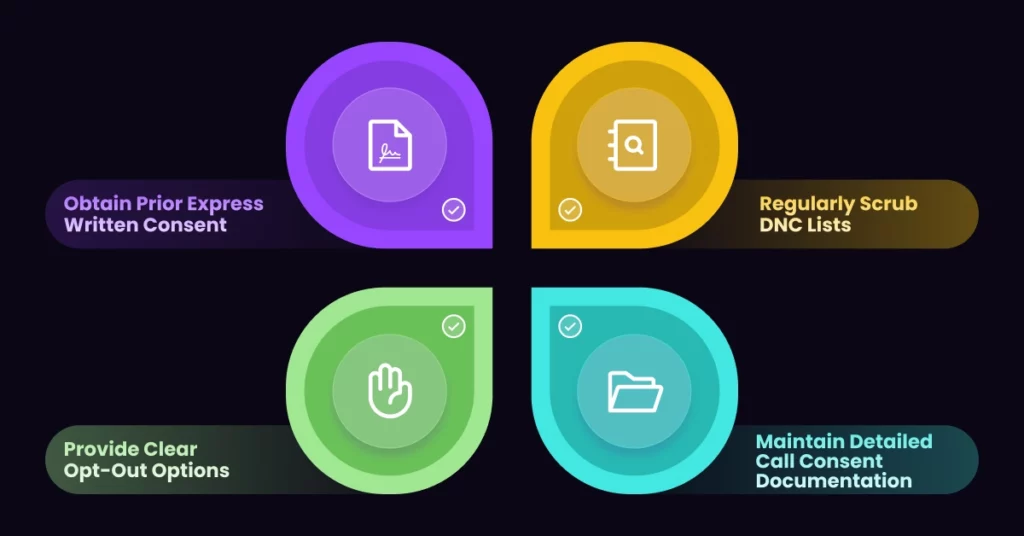
- Obtain Explicit Consent: Never send a marketing voicemail without prior express written consent. This consent must be specific, documented, and traceable. It is the single most important defense against TCPA lawsuits.
- Scrub DNC Lists: Regularly scrub your contact list segmentation against the National Do Not Call (DNC) Registry and any relevant state registries. Tools like the phone number validator simplify this crucial step.
- Ensure Clear Opt-Out: Every message must include a clear, easy-to-use method for the recipient to opt out of future communication. Honor all opt-in and opt-out requirements immediately.
- Maintain Documentation: Keep detailed records showing when and how consent was obtained for every recipient. This call consent documentation is your legal shield in case of an audit or complaint.
- Focus on Value: Keep messages concise, personal, and focused on providing value, not just aggressive selling. This improves customer experience and reduces the likelihood of consumer complaints.
Takeaways and Recommendations
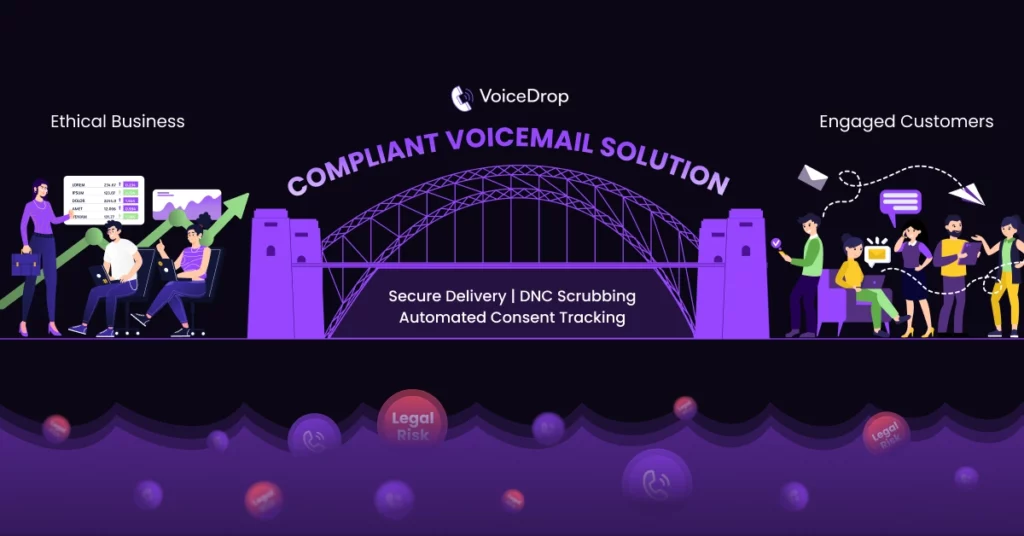
The legal risks of using services like Slydial for business outreach are significant. The FCC has classified ringless voicemail as a “call” under the TCPA, rendering the tool unsuitable for unsolicited voicemail marketing due to legal risks. Compliance is not optional; it is essential to the longevity of your business. The future of safe, efficient outreach lies in specialized, compliant voicemail solutions.
We highly recommend moving your automated voicemail marketing to a platform that prioritizes legal voicemail outreach. This shift protects your business from massive fines and builds a reputation for ethical customer engagement. Choose a platform like VoiceDrop that provides the security, features, and compliance tracking necessary for modern sales and marketing.
Ready to stop risking TCPA violations and start scaling your outreach safely? Protect your business while achieving higher callback rates.
Click here to schedule a demo and see why VoiceDrop is the compliant alternative to Slydial.
FAQ’s
1. Is using Slydial legal for businesses?
It depends on consent and context. Businesses risk TCPA fines and penalties if they contact recipients without proper prior express written consent.
2. How does Slydial work?
Slydial lets users leave a voicemail directly without ringing the recipient’s phone. Calls bypass live conversations and go straight to voicemail.
3. What are the risks of using Slydial for marketing?
Risks include violating federal telemarketing compliance rules (TCPA), resulting in fines, and potentially damaging your company’s reputation.
4. Are there compliant alternatives to Slydial?
Yes. Platforms like VoiceDrop provide ringless voicemail marketing while ensuring strict Slydial TCPA compliance through automated legal safeguards.
5. How can businesses stay compliant when using voicemail outreach?
Obtain explicit prior express written consent, respect Do Not Call lists, and use platforms with integrated call consent documentation to track all outreach interactions.